As an Amazon Associate, we earn from qualifying purchases. Some links on this site are affiliate links at no extra cost to you. Our recommendations are based on thorough research and editorial judgment.


When to Retire Your Plastic Containers: Signs of Wear and Leaching

When’s the right time to toss your plastic containers? If you’re like me, you might have a collection that’s seen better days. So, let’s talk about some signs that it’s time to say goodbye to those old friends of yours.
You may be interested
First off, if you spot any scratches or cracks, that’s a red flag. Not only can those crevices be a cozy home for bacteria, but they could also let harmful substances leach into your food, especially if you’re storing something acidic like tomato sauce.
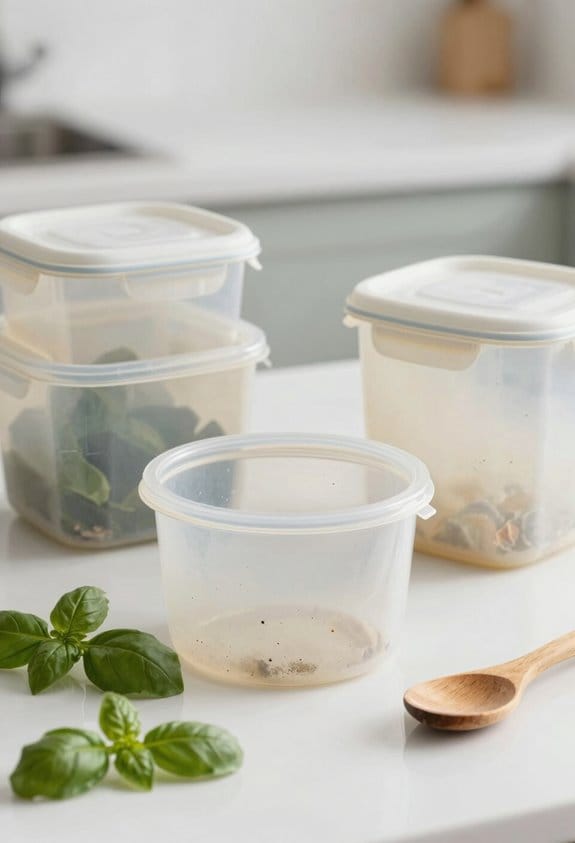
Ever pulled out a container that looked a bit discolored? Maybe there are stubborn stains or lingering odors? Those are usually clues that food particles are trapped inside or that the plastic itself is degrading. And don’t get me started on warped lids—those won’t keep your food sealed, and you’re asking for trouble.
So, how do you keep your containers around a bit longer? Honestly, it helps to wash them gently and avoid using the microwave for all but the most microwave-safe types. But will that really make a difference in the long run? You might be surprised!
At the end of the day, knowing when to let go of your plastic containers can protect your health and keep your kitchen organized. Have you checked your stash lately? It might be time to refresh.
Key Takeaways
- Discoloration, fading, or yellowing indicates plastic degradation and potential safety issues; consider retiring containers showing these signs.
- Scratches, cracks, and gouges can harbor bacteria and lead to harmful leaching into foods, especially acidic items.
- Persistent bad odors after cleaning suggest trapped food particles and possible bacterial growth; it’s time to dispose of those containers.
- Warped lids that no longer seal properly compromise food safety and should prompt you to replace the containers.
- Regularly inspect your plastic containers for damage and ensure you avoid high-heat cleaning methods to extend their lifespan.
Critical Signs Indicating It’s Time to Retire Your Plastic Containers

Have you ever opened your kitchen cabinet and wondered whether it’s time to toss those old plastic containers? It’s not just about aesthetics—those worn-out containers can actually pose health risks. Look for signs like scratches, cracks, or gouges. These imperfections can hold bacteria, which isn’t something you want near your food.
Discoloration is another thing to watch for. If your containers are fading or turning yellow, that’s a clue the plastic might be breaking down. Ever notice stubborn stains or lingering odors? That could mean food particles are trapped inside, and who knows what kind of chemicals might be leaching into your meals.
Warped lids are another giveaway. If they can’t seal properly, your food is at risk of contamination. Regularly check for leaks or any other damage while you’re at it. You’re doing your part to keep your family safe from potential health issues caused by microplastics. Choosing containers made from BPA-free materials can help minimize these risks.
What You Need to Know About Chemical Leaching Risks
Have you ever thought about how those plastic containers in your kitchen might be affecting your food? While they’re super handy for storing leftovers, there’s a catch: chemical leaching. Scratches, cracks, and even high temperatures can let harmful substances escape into your meals. BPA, for example, is a common culprit that can throw your hormones out of whack.
So, what’s the deal with certain foods? If you’re storing anything acidic, like tomatoes or pickles, the risk of leaching goes up significantly. That’s a solid reason to choose glass or stainless steel for your food storage whenever you can. You’ll not only keep your food safer, but you’ll also have the peace of mind knowing you’re making a healthier choice.
Here’s a quick checklist to help you keep your containers in check:
- Look for signs of damage—scratches and cloudiness can be big red flags.
- Trust your nose. If a container starts smelling funky, it’s time to toss it.
- Pay attention to temperature. Don’t microwave plastics unless they’re labeled as microwave-safe.
Truth is, you want to keep your food as fresh—and safe—as possible. Regularly checking your containers and replacing any that show signs of wear is a simple but effective practice. So, why not have a little kitchen inspection this weekend? You’ll feel good about the choices you’re making for your health and your family! Glass containers made from high borosilicate glass offer a durable, heat-resistant alternative that can withstand both hot and cold ingredients safely.
Key Factors for Assessing the Safety of Plastic Containers

Have you ever wondered if your plastic food containers are safe? It’s something we don’t think about often, but being aware of their safety can help keep your meals healthy. Start by checking your containers for any signs of wear and tear. Look for cracks or warping; these can lead to harmful chemicals leaching into your food.
Next, take a peek at the recycling numbers on the bottom of your containers. Numbers 2, 4, and 5 are generally safer choices. But if you see a number 7, that could mean BPA is lurking in there. What about those stubborn stains or lingering odors? If they won’t budge, it might be time to say goodbye to those containers.
And here’s a tip: if you’re using high-heat methods, like dishwashing, that can wear down the containers faster. Hand washing is usually the better option for maintaining their safety. Don’t forget about older containers, too; they need a careful inspection for any signs of degradation as well.
Using vacuum sealers with customizable settings to store leftovers can also help reduce exposure to harmful chemicals by minimizing contact with air and contaminants.
Understanding the Relationship Between Usage and Replacement
Ever opened your kitchen cabinet and found a scruffy-looking plastic container that you’ve had forever? It’s a pretty common scenario. But here’s a wake-up call: understanding how to use and replace those plastic containers is super important for keeping your food safe.
You don’t have to be a clean-freak to do a quick check on your containers now and then. Look for signs of wear like scratches or warping. If something doesn’t look right, don’t hesitate—get rid of it! Stains or lingering smells can mean bacteria are hanging out, or worse, chemicals could be leaching into your food.
So, why does this matter? Because just because a container looks okay doesn’t necessarily mean it is. Old containers can quietly turn into a health risk if we’re not careful. Keeping an eye on things can actually protect you from harmful microplastics and bacteria, which nobody wants to deal with.
When you’re checking those containers, take a peek at the bottom for recycling numbers. You’ll find that some plastics hold up better than others. Follow care instructions when you clean them, and you’ll not only extend their life but also avoid potential health hazards.
Honestly, a little regular maintenance can go a long way. Think of it as a way to protect yourself and your family. The best part is that by staying proactive, you’re doing a service to your health without much extra effort.
Next time you reach for a plastic container, ask yourself: is it time for an upgrade? Regularly assessing your plastic can make a big difference. Keep safety in mind, and it’ll pay off in the long run. Choosing containers made from BPA-free materials can significantly reduce health risks associated with chemical leaching.
How Scratches and Cracks Affect Container Safety
Have you ever taken a good look at your old plastic containers before using them? You might be surprised to learn that even the tiniest scratch can cause some serious food safety issues. Scratches and cracks make it easier for bacteria to settle in, creating a risk for your meals. Just think about it: one little scratch can lead to the growth of harmful microorganisms, making your container no longer safe for food storage.
Cracks can get worse over time, too. They can lead to leaks that not only create a mess but also raise contamination concerns. And let’s not overlook the fact that damaged areas might mean harmful chemicals are seeping into your food. So, why does this matter? If you’re not checking for these signs of wear and tear in your containers, you could be putting your health at risk.
To avoid these problems, make it a point to regularly inspect your plastic containers. Look for any signs of scratches and cracks before you store your food in them. If you do find any damage, it’s a good idea to toss that container. Your health and safety deserve that extra bit of attention. Using containers made of food-grade materials can help ensure safety during storage.
How to Identify and Address Unpleasant Odors in Plastic Containers
Have you ever opened your plastic containers and been greeted by an unexpected smell? It’s kind of a buzzkill, right? Those funky odors often mean there are food residues or bacteria lurking inside. If you’ve scrubbed them thoroughly but the scent still sticks around, you might want to take a closer look at the condition of your containers. Scratches and cracks can really trap those pesky food particles, which only makes the problem worse.
So, what’s the best course of action? If a container continues to smell bad after a good clean, it’s time to think about tossing it out. It’s just not worth the health risks that come with potentially leaching substances.
To keep your kitchen smelling fresh, don’t forget to wash your containers right after use and make sure they dry completely before you put them away. Here’s a little tip: storing them without the lids can really help with air circulation. This way, you’re not just fighting odors; you’re preventing them from developing in the first place. Using BPA-free materials in storage containers can also reduce health risks associated with chemical leaching.
Best Alternatives to Plastic Containers for Safe Food Storage
Are you worried about all the chemicals lurking in your plastic food containers? You’re not alone. Many people today are looking for safer options to store their food, and honestly, it makes sense.
Glass containers are a fantastic choice because they don’t leach harmful substances and can go in the microwave or oven without a second thought. If you haven’t tried them yet, you’re missing out. Plus, they’re super easy to clean and often come with airtight lids, which is always a bonus.
Another solid alternative is stainless steel. These containers are tough and lightweight, making them perfect for everyday use. They won’t rust, either, so spills are not a big deal. You can use them for everything from leftovers to meal-prepping your lunches; they really stand the test of time.
For something a little more fun and eco-friendly, think about silicone containers and bags. They’re flexible, reusable, and can handle both the freezer and the microwave like champs. You can find them in all kinds of shapes and sizes, which makes them perfect for packing snacks or storing fresh produce.
Have you ever considered bamboo containers? They look great and are a natural choice for food storage. Just make sure to line them with something non-reactive to keep your food safe.
Switching to these high-quality, food-grade options not only helps make your kitchen a healthier space, but it also supports a more sustainable lifestyle. Glass containers, especially those made from borosilicate glass, offer excellent durability and temperature resistance, making them a versatile choice. So why not take that step towards safer food storage? Which option are you most excited to try?
Proven Tips to Extend the Lifespan of Your Plastic Containers
Have you ever noticed how some of your plastic containers seem to have a shorter life than you’d expect? It’s frustrating when you do your best to keep them in good condition, but they end up scratched or warped. Caring for your plastic food storage isn’t just about chucking them after a few uses; it’s about knowing how to maintain them so they last longer.
Start by regularly checking your containers for any signs of damage. Scratches and cracks can happen over time, and spotting them early can save you from a leaky lunch later on. When you’re washing them, handwashing is a good idea. It keeps them from warping, unlike those high-heat settings in dishwashers that can shorten their lifespan.
It’s also important to consider where you store your containers. Keep them in a cool, dark place, away from sunlight, to help reduce any wear and tear. Speaking of which, when you’re picking out new containers, try to choose those with recycling numbers 2, 4, or 5. It’s wise to stay away from those labeled with number 7 since they might contain BPA, which isn’t great for your health.
Now, here’s a tip many overlook: avoid storing hot or acidic foods in your plastic containers. Those high temperatures can lead to leaching, which could not only ruin your container but also contaminate your food. For the best safety and hygiene, prioritize containers made from BPA-free materials to ensure your food stays fresh and uncontaminated.
Importance of Regular Inspections and Container Maintenance
Have you ever thought about how often you check your plastic containers? It turns out, regular inspections can really help keep your containers in good shape and keep your food safe. Look for signs like scratches, cracks, or discoloration. These little problems can turn your containers into breeding grounds for bacteria, which is definitely not what you want when storing food. And don’t forget to make sure the lids fit securely—if they’re warped or missing, it’s time to ditch them.
Keeping on top of maintenance makes a huge difference. Use mild soap to clean your containers, but always take a close look once you’re done. If you notice any strange smells or pesky stains that just won’t budge, it’s best to retire that container for good. You could set up a schedule to check everything every few months. Taking some time for these inspections means you can enjoy safe meals and give your containers a longer life. Choosing containers made from food-grade materials can also reduce the risk of harmful chemicals leaching into your food.
Frequently Asked Questions
When to Throw Out Plastic Containers?
Like a garden, our plastic containers need regular pruning. We should toss them when they show wear, follow labeling guidelines, and explore recycling options. Always prioritize safe materials to avoid harmful chemicals in our food!
Is 40 Year Old Tupperware Safe to Use?
We wouldn’t recommend using 40-year-old Tupperware due to potential BPA concerns and material decomposition. Let’s prioritize food safety awareness and recycle vintage kitchenware responsibly, ensuring we’re protecting ourselves and our loved ones from harm.
When Should Plastic Storage Containers Be Replaced?
We should replace plastic containers showing signs of damage, like cracks or persistent odors, to prevent food safety concerns. Remember, plastics degrade over time—consider recycling them and explore alternatives for better storage practices.
How Do I Know if My Plastic Containers Are Safe?
To know if our plastic containers are safe, we should check plastic types, look for usage signs like cracks or odors, consider material alternatives, and follow recycling tips to avoid potential health risks.


