As an Amazon Associate, we earn from qualifying purchases. Some links on this site are affiliate links at no extra cost to you. Our recommendations are based on thorough research and editorial judgment.


The Danger Zone: Food Safety Temperature Rules Every Meal Prepper Should Know

Have you ever left food out, only to wonder if it’s safe to eat later? That’s where understanding the Temperature Danger Zone becomes key. It’s that risky range between 41°F and 135°F where bacteria can thrive and multiply.
You may be interested

If food hangs out in this danger zone for more than four hours, it’s best to toss it.
When it comes to TCS foods—think meat and dairy—keep those cold items below 40°F and hot items above 135°F. It’s crucial to keep an eye on those temperatures.
You might think you can eyeball it, but even a small mistake can lead to health problems. If the food’s been in the danger zone too long, just don’t risk it.
Honestly, no one likes dealing with foodborne illness. So, what can you do? Always monitor your food temperatures and use good thermometers.
In short, keep those foods out of the danger zone. How do you manage food safety in your kitchen? Let’s make sure we’re all prepped and safe!
Key Takeaways
- The Temperature Danger Zone is between 41°F and 135°F, where bacteria multiply rapidly, increasing foodborne illness risk.
- TCS foods must be stored below 40°F or above 135°F to prevent bacterial growth.
- Foods left in the danger zone for more than four hours should be discarded to ensure safety.
- Regular temperature checks with a food thermometer are essential for preventing bacteria growth in meal prep.
- Safe cooking temperatures for TCS foods include poultry at 165°F, ground meats at 160°F, and fish at 145°F.
What Is the Temperature Danger Zone for Food Safety?

Have you ever wondered why some leftovers can make you sick if you leave them out too long? The Temperature Danger Zone for food safety is a big deal, and it’s something we need to keep in mind every time we’re in the kitchen. This danger zone falls between 41°F and 135°F (5°C and 57°C). When food sits in this range, bacteria love to multiply like crazy, which puts you at risk for foodborne illnesses.
If you leave ready-to-eat foods in this zone for over four hours, you should just toss them out. It’s really not worth the risk to your health. To keep meals safe, cold foods should stay below 40°F (4°C), while hot foods need to be kept at or above 135°F (60°C). Sounds simple enough, right?
To make it easier, here are some tips:
- Check your fridge settings: Make sure it’s below 40°F (4°C).
- Use a food thermometer: This little tool is your best friend in keeping track of food temperatures.
- Plan your meals: Try to avoid leaving food out during gatherings or potlucks for too long.
Using food rotation labels can also help track and manage storage times effectively to prevent food spoilage.
So, why does this matter? Nobody wants to deal with a nasty stomach bug, especially when it could’ve been prevented by just watching your food’s temperature. Honestly, monitoring food temperatures regularly can greatly reduce the time it spends in that danger zone, making your meals not only safe but also enjoyable.
Keeping food safe is simple: a few precautions can help protect both your dishes and the people you love. Are you ready to make food safety a priority in your kitchen?
Why Do Bacteria Thrive in the Danger Zone?

Have you ever left food out too long and wondered if it’s still safe to eat? You’re not alone! Bacteria have a real talent for thriving in the temperature danger zone, which is between 41°F and 135°F. This is prime real estate for their growth, especially for those pesky harmful bacteria like Salmonella and E. coli. They really go wild at temperatures between 70°F and 125°F, doubling in number every 20 minutes! Just because food looks okay doesn’t mean it’s safe after hanging out in that danger zone.
So, why does this matter? The risk of foodborne illness skyrockets after just two hours. That’s why it’s super important to keep a close watch on your food’s temperature. Try this: always use a thermometer to double-check the internal temps of your dishes, especially if they’ve been sitting out.
Truth is, no one wants an unexpected guest—like bacteria—crashing their dinner party. Keeping food out of the danger zone is crucial for food safety, and it’s not that hard to do. Just be diligent about how long your food sits outside the fridge or oven.
In short, keeping your food at safe temperatures can save you from a nasty surprise later on. Have you checked your food temps lately?
How Long Can Food Safely Stay in the Danger Zone?
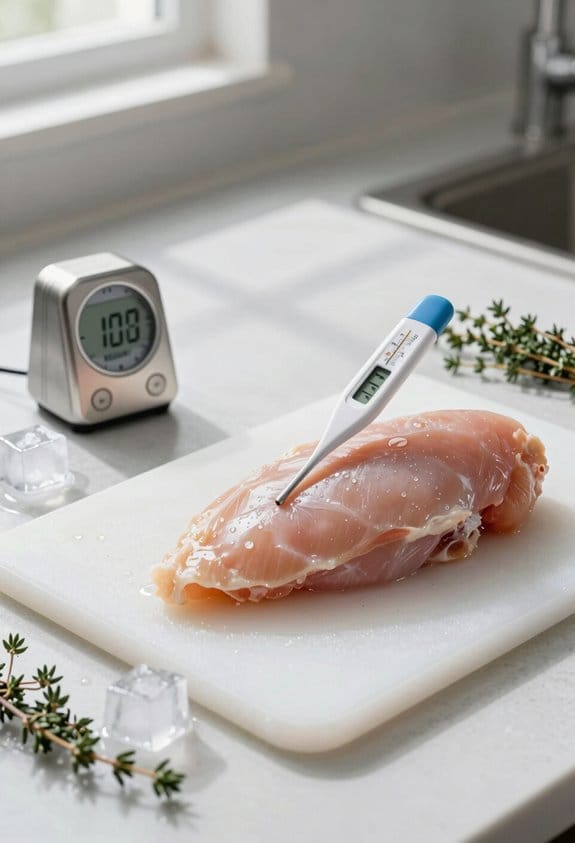
Ever left food out and wondered if it’s still safe to eat? We’ve all been there. The temperature danger zone is a tricky spot, sitting between 41°F and 135°F. That’s where bacteria can really get going, especially with TCS (Time/Temperature Control for Safety) foods.
So, how long can food hang out in that danger zone? The rule of thumb is four hours max. If it’s been sitting longer, toss it out. I know it might look fine, but it’s not worth the risk. To stay on top of things, check your food every couple of hours. If you’re dealing with hot weather, like anything over 90°F, then you really should only keep food in that danger zone for one hour.
What can you do if you find yourself with food that’s been too long in that risky temp range? You can reheat it to those safe internal temperatures or cool it off quickly. Just remember, these time and temperature rules are super important to prevent foodborne illnesses and keep yourself and your loved ones safe. Using an instant-read thermometer can help ensure you’re hitting those safe internal temperatures accurately.
What Happens When Food Stays in the Danger Zone Too Long?
Have you ever left food out for a bit too long and wondered if it’s still safe to eat? When food hangs out between 40°F and 140°F, you’re playing a risky game. Bacteria can really thrive in that temperature range and some types can double in number every 20 minutes! If your cooked meals chill in this danger zone for more than two hours, you’re looking at a higher chance of foodborne illnesses.
If it’s been four hours, it’s best to toss it, no matter how it looks. Ever heard of Staphylococcus aureus or Salmonella Enteritidis? These guys love to party in the danger zone and they can make you pretty sick.
So, what can you do? Keeping an eye on the time and temperature is crucial during meal prep. Here’s the trick: use a thermometer to ensure your food stays at safe temperatures. Proper food safety really makes a difference, keeping your meals not only delicious but safe to enjoy. Consider using a freezer thermometer to monitor your storage temperatures accurately and prevent crossing into the danger zone.
Understanding TCS Foods
Ever wonder why some food goes bad so quickly? It all comes down to TCS foods—short for Time/Temperature Control for Safety. These are the types of items that can easily spoil, like meat, poultry, or dairy products. Keeping them safe means managing their temperatures carefully, which is key to avoiding harmful bacteria. The rule of thumb? Store TCS foods below 40°F (4°C) or above 135°F (60°C).
Now, let’s talk about the “Danger Zone.” That’s the range between 41°F to 135°F where bacteria thrive. You don’t want TCS foods hanging out there for more than 4 hours. Seriously, it sounds like a lot, but it flies by faster than you think! If you’re cooking these foods, make sure they hit the right internal temperatures. For instance, poultry should reach a sizzling 165°F (74°C) to be safe.
So, why does this matter? Monitoring your food during prep and cooking is essential—not just for compliance, but for your health and peace of mind. Keeping a close eye on temperatures helps you dodge foodborne illnesses and enjoy your meals without worry.
Honestly, keeping our meals safe doesn’t have to be complicated. With a little awareness about TCS foods and their safe handling, we can all enjoy tasty and healthy meals at home. So, what will you do to keep your kitchen safe today? It’s also helpful to use durable and easy-to-clean kitchen tools like stoneware utensil crocks to maintain a hygienic environment while cooking.
Effective Strategies to Prevent Food From Entering the Danger Zone
Have you ever thought about how easily food can slip into that danger zone where bacteria thrive? It’s a pretty common problem, but keeping our meals safe and tasty doesn’t have to be complicated. For starters, make it a habit to refrigerate any perishable items within 2 hours. If it’s super hot outside—think over 90°F—try to get them in the fridge within just an hour.
Another key point is temperature control. Hot foods should stay above 140°F, and cold foods need to be kept below 40°F. That’s where a good kitchen thermometer comes into play. You’ll want to check those food temperatures regularly; it’s such a simple way to ensure everything you’re eating is safe.
When it comes to storing cooked food, shallow containers are your best friends. They help food cool down quickly, so aim to get from 140°F to 70°F within 2 hours, then down to 40°F in the following 4 hours. Honestly, thoughtless thawing can be risky. Instead of letting food thaw at room temperature, opt for the refrigerator or a cold water bath.
Using a digital food scale can also help ensure precise portion control and cooking measurements, further enhancing food safety and quality.
What Are Safe Cold Holding Temperatures to Avoid the Danger Zone?
Have you ever wondered if your cold food is safe to eat? Keeping food safe isn’t just about cooking and cooling; it’s crucial during cold holding, too. The ideal temperature for cold holding is below 40°F (4°C). Falling into the danger zone, which is between 41°F and 135°F (5°C and 57°C), is where harmful bacteria can really thrive.
Here’s the thing: cold food can sit out of the fridge for up to 6 hours, as long as it stays under that 40°F mark. To make sure of that, check your cold-holding units with a reliable food thermometer now and then. This isn’t just for you—it’s for everyone who’ll be eating your food.
When storing ready-to-eat foods, try using leakproof containers. And remember to place them on the bottom shelves of your fridge to prevent any chances of cross-contamination. After all, nobody wants a surprise foodborne illness party!
Following these simple tips can keep everyone safe and healthy. So, what steps do you take to keep your cold food safe?
Using airtight and leak-proof designs for your storage containers can significantly help maintain these safe cold holding temperatures by preventing contamination and preserving freshness.
How to Ensure Proper Hot Holding Temperatures?
Keeping hot food safe can seem complicated, but it really doesn’t have to be. To stay on the safe side, make sure you’re holding hot dishes at at least 135°F (57°C). Use a thermometer to check those temperatures frequently, and don’t hesitate to tweak your holding equipment if needed.
Here’s a quick tip: any food that’s been hanging out below that temperature for over four hours? It needs to go. It’s all about avoiding those health risks. You also want to minimize the time your food spends in that danger zone, which is between 41°F and 135°F. So, what’s the trick to keeping it hot? Reliable hot-holding cabinets or equipment can really make a difference during service. Using airtight sealing mechanisms on food storage containers can further help maintain safe temperatures and prolong freshness.
How to Cool Cooked Foods Quickly and Safely?
After you’ve plated those hot meals, the race is on to cool them down safely. Ever wondered why it’s so important to drop the temperature from 140°F to 70°F in just 2 hours? It’s all about keeping bacteria at bay and avoiding the dreaded food poisoning. So, how can you do this effectively?
First off, using shallow containers is a solid way to speed up the cooling process. They create more surface area, allowing the heat to escape faster. And trust me, you don’t want your food hanging out in that temperature danger zone where bacteria thrive.
Keep an eye on those temperatures with a kitchen thermometer. Checking it frequently can save you a lot of headaches later. Once you hit that 70°F mark, you’ve got another 4 hours to reach 40°F. Here’s the trick: using ice wands or spreading your food out on trays can be a big help in cooling everything down.
So, why does this matter? It not only prevents food poisoning but also cuts down on food waste. Honestly, nobody wants to toss out perfectly good food just because it wasn’t cooled properly.
In short, cooling your cooked foods quickly and safely is essential for food safety. Utilizing dishwasher-safe components in your cooking tools can also help maintain hygiene during meal prep. Have you tried any of these tips before? Let’s keep our cooking safe and enjoyable!
Key Safe Cooking Temperatures for Different Food Types
When it comes to whipping up that delicious home-cooked meal, there’s one thing you definitely don’t want to mess up: the cooking temperatures. It’s super important to make sure that your food is cooked to the right internal temperature to keep you and your loved ones safe from any potential foodborne illnesses.
Let’s dive right in. For those juicy pieces of poultry and any TCS foods (which stands for Time/Temperature Control for Safety), aim for at least 165°F (74°C). Ground meats? They need to reach 160°F (71°C) to be safe. And eggs? They should be cooked to 155°F (68°C)—trust me, that’s non-negotiable if you want to avoid any nasty surprises. Seafood is a bit more forgiving; fish is good at 145°F (63°C), and shrimp and lobster should look white and opaque when they’re done.
You might be wondering, what about fruits and veggies? Those can safely cozy up at 135°F (57°C). The best part is, a simple food thermometer can help you check these temperatures in no time. So, don’t skip this step; it’s as easy as pie to keep everyone safe at your dinner table. To ensure ongoing food safety, it’s also key to use a refrigerator thermometer to monitor your fridge’s temperature below 40°F.
To sum it up, always keep an eye on those internal temperatures. It’s an easy step that makes a world of difference. What’s your go-to meal that you always make sure to double-check the temperature on?
Frequently Asked Questions
What Is the Temperature Danger Zone in Food Prep?
“An ounce of prevention is worth a pound of cure.” The temperature danger zone in food prep is between 40°F and 140°F, where we risk foodborne illness without proper cooking, storage, and thermometer use during meal prep.
What Is the 2 2 2 Rule for Food?
The 2 2 2 rule for food safety means we shouldn’t leave perishable items out over 2 hours. Proper meal prep, temperature monitoring, and storage methods can minimize cross-contamination and reduce foodborne illness risks considerably.
What Is the 4-Hour Rule for the Danger Zone?
Ever wonder how long leftovers last? The 4-hour guideline tells us that safe cooking guarantees food storage is essential. Remember, temperature monitoring’s important—after four hours, we toss it to prevent bacterial growth!
What Are the 5 Basic Food Safety Rules?
We must follow five basic food safety rules: maintain hygiene practices, prevent cross-contamination, store foods safely, guarantee proper cooking, and practice chilled refrigeration while labeling ingredients and checking expiration dates for maximum safety.