As an Amazon Associate, we earn from qualifying purchases. Some links on this site are affiliate links at no extra cost to you. Our recommendations are based on thorough research and editorial judgment.

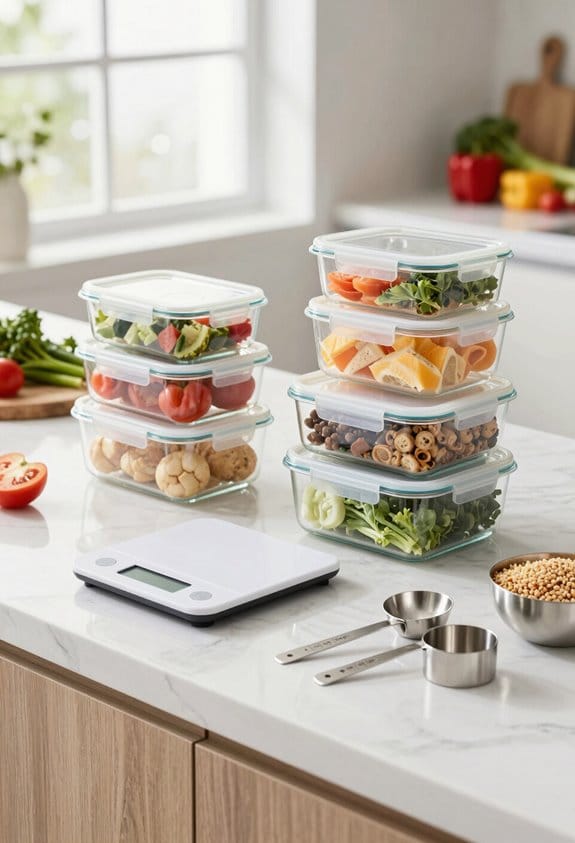
Glass vs. Plastic Containers: Which Is Better for Long-Term Storage?

When you’re storing food for the long haul, have you ever thought about what kind of container is best? Many people lean toward plastic, but glass containers are often a better choice. They won’t leach harmful chemicals into your food like some plastics can, which is a big deal for health-conscious eaters. Plus, those airtight seals that glass containers come with can help keep your food fresher for longer.
You may be interested


One of the best things about glass is its durability. You don’t have to worry about them warping or degrading over time, something that often happens with plastic. And if you love cooking, you’ll appreciate that glass containers are safe to use in the oven or microwave.
Don’t forget about the environment—the fact that glass is recyclable makes it the eco-friendly pick. By making the switch, you’re not only keeping your food fresh but also doing your part for the planet.
So, how do you maintain your glass containers? It’s as simple as giving them a good wash by hand or tossing them in the dishwasher. Just be cautious with sudden temperature changes to prevent cracking.
Honestly, the investment in good-quality glass containers can save you money and hassle in the long run.
In summary, glass containers check a lot of boxes for long-term food storage—safety, freshness, durability, and eco-friendliness. If you’re rethinking your storage strategy, why not give glass a try?
Key Takeaways
- Glass containers are made from non-toxic materials, preventing harmful chemicals from leaching into food during storage.
- Their airtight seals effectively reduce spoilage by protecting against moisture and air, extending food freshness.
- Glass remains durable and retains its shape under extreme temperatures, while plastic can warp and degrade over time.
- The non-porous surface of glass prevents odors and bacteria absorption, making it safer for long-term food storage.
- Glass is recyclable and eco-friendly, contributing to sustainability and reducing environmental waste compared to plastic containers.
Why Choose Glass Containers for Food Storage?
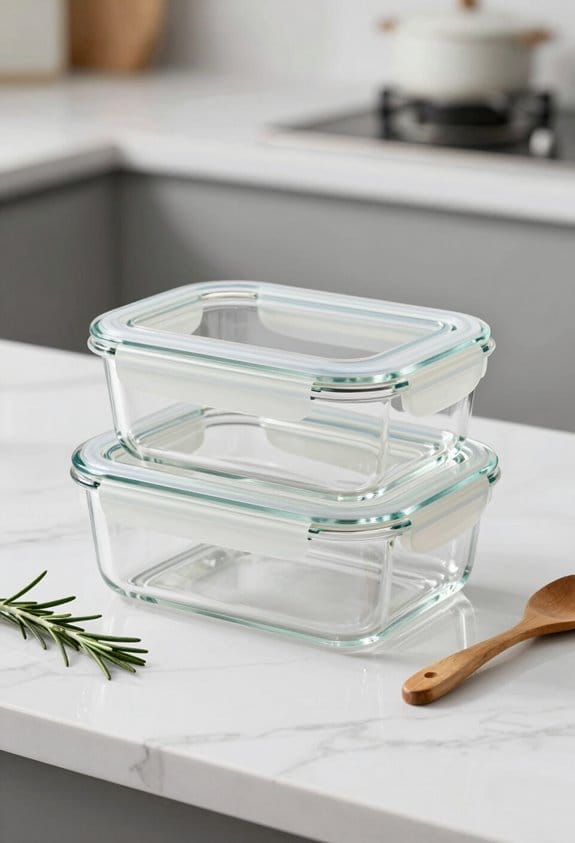
Have you ever opened your fridge only to find that your leftovers have gone bad? It’s frustrating, right? That’s where glass containers can really shine for food storage. They offer a few solid advantages that can help keep your food fresh and safe.
First off, glass containers are non-toxic. This means you don’t have to worry about harmful chemicals seeping into your food—something that often happens with plastic. Keeping your health in check is so important, and opting for glass can help with that. Plus, these containers do an excellent job of keeping your food fresh. The airtight seals really help to protect against moisture and air, which can lead to spoilage.
Another great perk is that glass doesn’t stain or hold onto odors like plastic can. Ever had a plastic container that just wouldn’t lose the smell of the last thing you stored in it? With glass, that’s not an issue. And let’s not forget about the environment. Glass is recyclable and can be repurposed, unlike plastic, which often contributes to landfill waste.
Many glass containers are made from durable borosilicate glass, which withstands extreme temperatures and reduces the risk of breakage.
So why does this matter? Choosing glass isn’t just about convenience; it’s also about making choices that are better for your health and the planet. You’re opting for durability, safety, and sustainability, which is a win-win situation.
Next time you’re thinking about how to store your food, consider glass containers. They make kitchen life easier, healthier, and a bit kinder to the Earth. What’s not to love about that?
What Are the Health Risks of Plastic Containers?

Have you ever thought about what your food is really stored in? It’s a common habit to grab plastic containers without a second thought, but the health risks are worth considering.
Plastic containers can leach harmful chemicals like BPA and phthalates into our food, and those are not things you want in your meals. These chemicals have been linked to serious problems like hormonal disruptions and even higher cancer risks. If you heat plastic, watch out! It can release even more toxins, particularly if it’s not meant for the microwave.
But it doesn’t stop there. Over time, wear and scratches on the plastic can become a breeding ground for bacteria, increasing your chances of foodborne illnesses. Have you ever noticed those tiny bits of plastic in your food? Yeah, that’s microplastics, and long-term use of plastic containers may lead to contamination like that. So, when picking your food storage options, it’s crucial to take these health concerns into account.
Using containers made from BPA-free materials ensures you minimize chemical exposure while safely storing your food.
The best part? Knowing this info allows you to make choices that really support your wellbeing. When it comes to food storage, don’t just think about convenience; think about your health. What are you planning to switch to for storing your food?
Key Benefits of Using Glass for Long-Term Storage

Are you tired of food storage options that leave your meals tasting less than fresh? Switching to glass containers might just be what you need. For starters, glass is non-porous. That means it won’t soak up odors or stains like plastic does, so your food stays tasting just right. Plus, you can relax knowing there are no harmful chemicals like BPA messing with your meals.
When it comes to durability, glass containers can stick around for decades—no more worrying about cracks and scratches like with plastic. The airtight seals on glass are another big plus. They do a fantastic job at keeping moisture and air out, both of which are key for preserving that delicious freshness. And let’s not forget the eco-friendly aspect. Glass is completely recyclable, which makes it a smart choice if you want to cut down on waste. Many glass containers also feature snap-lock designs that ensure a secure, leak-proof closure for added food protection.
Comparing Durability: Glass vs. Plastic
Ever opened your pantry, only to find that your plastic containers are all scratched up and stained? It’s frustrating, right? If you’re trying to keep your food fresh and safe, you might want to think about switching to glass containers.
Glass containers, like those made from borosilicate glass, are incredibly durable. They don’t warp, stain, or hold onto odors the way plastic does. A good set of glass containers can last you decades with the right care. In contrast, plastic can start showing its age in just a couple of years, with scratches and stains piling up. Do you really want to replace your storage containers that often?
Here’s the kicker: glass containers are non-porous, so they won’t trap bacteria or smells. This is super important when you’re storing food. Do you ever worry about the safety of what’s sitting in those old plastic containers? Plus, as plastic degrades over time, it can lose its effectiveness. Glass, on the other hand, can be recycled endlessly.
If you’re thinking about takeaway containers, glass is a solid choice. Not only does it help maintain the quality of your food, but it’s also a step towards being kinder to the environment. Their heat resistance also means they can safely transition from fridge to oven without damage, adding to their versatility. So next time you’re stocking up, consider swapping some of those plastic containers for glass—you might just find it’s worth it in the long run!
Glass Containers and Food Waste Reduction
Ever noticed how food tends to go bad before you get a chance to eat it? It’s frustrating, right? One simple way to tackle this problem is by investing in the right storage containers. Glass containers are a fantastic option for keeping your leftovers fresh longer because of their airtight seals. This can really help cut down on spoilage, meaning you’re less likely to find yourself tossing out bad food.
Another perk of glass is that it doesn’t absorb odors or stains like some other materials do. That means your delicious meals will maintain their quality, and you won’t open the fridge to a mystery smell. By choosing durable glass options, you can also reduce your reliance on disposable plastic. This is a small change that can make a big impact on cutting down single-use waste and promoting more sustainable habits.
Here’s the trick: If you swap out plastic containers for glass ones, studies have shown that many households report lower waste levels. It’s a simple switch that not only benefits your fridge but also helps the environment. So why not make the switch? You’ll get the double win of fresh food and a lighter footprint.
To add, using containers with airtight seals helps preserve food freshness by preventing air and moisture exposure, which is a huge factor in reducing spoilage.
To wrap it up, using glass containers can really enhance your food storage game while also being better for the planet. What are some of your favorite ways to reduce food waste at home?
Why Are Glass Containers Better for the Planet?
Are you looking for a simple way to do your part for the planet? Switching to glass containers instead of plastic is a fantastic place to start. Glass is 100% recyclable, and the best part is that it can be recycled over and over again without losing quality. Think about it—plastic contributes to around 400 million tons of waste each year, and that’s a staggering amount of pollution.
So, why does this matter? Well, glass is non-toxic, which means it doesn’t break down into harmful microplastics that end up polluting our ecosystems. By making the switch to glass, you’re not just choosing a better alternative; you’re embracing a lifestyle that promotes sustainability. Plus, glass containers last much longer than their plastic counterparts, which reduces our need for single-use plastics. Did you know that some plastics can take up to 1,000 years to decompose? That’s a long time!
Here’s a tip: when shopping, look for glass options for food storage, drink containers, or even kitchen supplies. They’re not only better for the environment but often look nicer, too!
Making small changes, like opting for glass, can add up to a big impact on our planet’s health. If we all start making these choices, we can help create a cleaner, safer world. So why not take that step today? Let’s start thinking about how our everyday choices affect our planet!
Safety of Heating Foods in Glass Containers vs. Risks in Plastic?
When it comes to heating food, it’s easy to feel overwhelmed by the choices you have for containers. So, what’s the deal with glass versus plastic? Well, glass has some serious advantages that make it the go-to choice for many folks.
For starters, using glass means you don’t have to stress about toxic chemicals sneaking into your meals. Plastic can release harmful substances when heated, which is pretty concerning. On the other hand, glass holds its ground and won’t interact with your food or change its taste. You can pop it in the microwave or the oven without a second thought, knowing your food remains safe.
And let’s talk about those pesky microplastics—ever wondered how much they might be getting mixed into your meals? With glass, that risk basically vanishes. You can enjoy your leftovers or meal prep knowing that you’re keeping things clean and healthy.
Here’s the thing: if you’re looking for a safe, reliable option for heating your food, glass really stands out. You want your meals to be delicious and nutritious, especially for long-term storage. So, why not make the switch?
Plus, many glass containers are made from borosilicate glass, which offers excellent temperature resistance for microwave and oven use.
In the end, choosing glass over plastic for heating your food seems to be a smart move. Are you ready to give it a try?
Best Practices for Maintaining Your Glass Storage Containers
Ever notice how glass storage containers can make your kitchen look so much nicer? But if you’re like me, you want them to last and stay crystal clear. Here are some real-life tips to keep your containers in top shape for years.
First off, when it comes to cleaning, skip the harsh scrubbing pads. Honestly, just toss them in the dishwasher with a gentle detergent. They’ll come out looking great without the risk of scratches. It’s also a good idea to check them regularly for any cracks or chips. Even the tiniest bit of damage can be a safety issue, so take a look every now and then.
Ever had a glass container explode because of thermal shock? It’s no fun! To avoid that, let your containers come to room temperature before moving them from the freezer to the oven. And just a tip: store the lids separately. This keeps them from getting scratched and ensures they create an airtight seal when you need them, which is pretty important for keeping your food fresh.
Oh, and don’t forget about sunlight. Keeping your glass containers out of direct sunlight helps maintain their look and prevents fading. Plus, it’s nice to keep everything organized, right?
For best results, remember that hand washing the lids and regularly cleaning the silicone seals will maintain their airtight function and prolong their lifespan.
How to Choose Between Glass and Plastic Containers?
Choosing between glass and plastic containers for food storage can feel overwhelming. With so many options out there, how do you even start? Let’s break it down together.
Safety is a big deal. Glass containers don’t have the same risk of harmful chemicals leaching into your food that some plastic containers do. This is especially crucial when you’re heating meals. So, when you’re deciding what to buy, remember that glass leads the way when it comes to keeping your food safe.
Next up, durability. Glass containers usually outlast plastic ones. They keep their shape and won’t warp or stain over time. Plus, glass doesn’t absorb odors, which means your leftovers will taste and smell just how they should. Isn’t that a relief?
And then there’s the environment. Glass is 100% recyclable, so when the time comes to replace your containers, you can feel good about reducing waste. It really matters if we want to do our part for the planet, right?
Additionally, many glass containers feature airtight snap-lock lids that help maintain freshness longer.
Frequently Asked Questions
Is It Better to Use Glass or Plastic Storage Containers?
They say, “You get what you pay for.” We believe glass is the better choice for its eco-friendly materials and durability, avoiding staining issues while offering appealing design aesthetics, even with weight considerations for storage.
Does Food Last Longer in Glass or Plastic?
Food lasts longer in glass containers due to better food preservation, container longevity, and flavor retention. Unlike plastic, glass boasts material safety and minimal odor absorption, ensuring our meals stay fresh and delicious for longer.
What Is the Healthiest Storage Container?
We believe the healthiest storage containers are made from eco-friendly materials like glass. They address BPA concerns, resist temperature changes, minimize odor retention, and are easier to clean, ensuring our food stays fresh and safe.
What Are the Disadvantages of Glass Containers?
While we appreciate glass containers for their elegance, their breakable nature and weight considerations can be problematic. Additionally, the cost factor and heat conductivity affect sealing effectiveness, making them less convenient for everyday use.


