As an Amazon Associate, we earn from qualifying purchases. Some links on this site are affiliate links at no extra cost to you. Our recommendations are based on thorough research and editorial judgment.


The Ultimate Guide to Labeling and Dating Your Freezer Meals

Labeling and dating your freezer meals is so important for keeping things organized and minimizing food waste. The last thing anyone wants is to pull out a mystery meal from the depths of the freezer, right?
You may be interested

To make life easier, always include the name of the dish, prep date, cooking instructions, and portion sizes on each label.
Here’s a little tip: Use waterproof labels. They hold up better in those chilly temps and won’t smear or fade over time. You might also want to group similar meals together and try the first in, first out method. This keeps your meals fresh and prevents that dreaded freezer burn.
The best part is, if you stick to these practices, meal prep becomes a breeze. You’ll spend less time digging around in your freezer and more time enjoying your delicious home-cooked meals.
So, why not give these tips a shot and see how much smoother your cooking routine can become?
Honestly, it’s all about making your life easier in the kitchen. Who wouldn’t want that? What’s your go-to method for keeping your freezer organized?
Key Takeaways
- Clearly label each meal with its name, preparation date, cooking instructions, and portion sizes for effective meal management.
- Use waterproof, smudge-proof markers and durable labels to ensure lasting legibility in freezer conditions.
- Organize meals in the freezer by type or date, employing a first in, first out (FIFO) method to reduce waste.
- Maintain an updated inventory list to streamline meal planning and facilitate quick meal access.
- Implement color-coding techniques for quick identification and consider reusable silicone bags for environmentally friendly storage.
Why Labeling and Dating Your Freezer Meals Matters
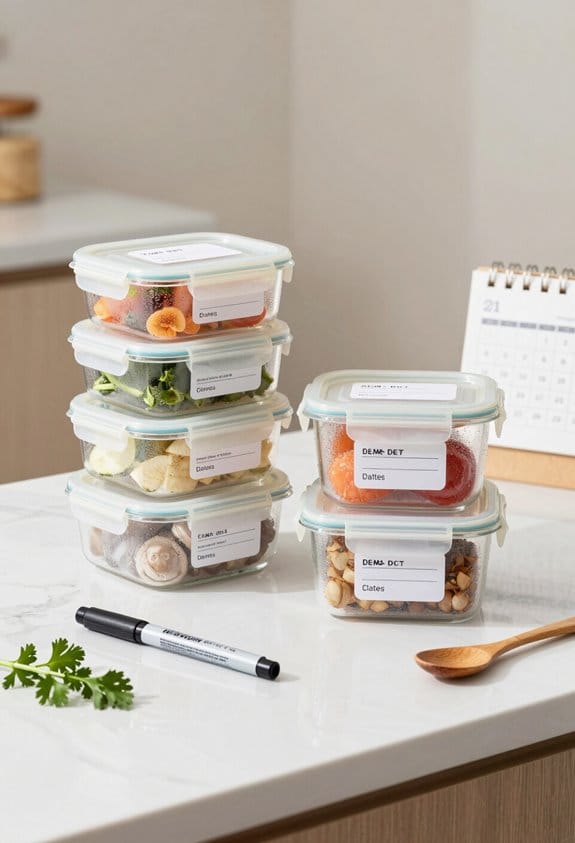
Have you ever dug into your freezer only to find a mystery container buried beneath the ice? Maybe your first thought is, “What is this, and how long has it been here?” That’s a pretty common struggle, which is why labeling and dating your freezer meals really makes a difference.
Clear labels can save you from those awkward mix-ups and help you avoid accidentally eating something that’s been in there too long. To keep things straightforward, include the meal name, the date it was prepared, and any reheating instructions. This little step can make life a lot easier, especially on those busy days when you just need to grab and go.
Keeping your freezer organized is also about managing what you have. By prioritizing older meals, you’re not only reducing waste but also making sure you’re using up all that delicious food you’ve prepped. Plus, if you use waterproof and smudge-proof labels, you won’t have to worry about the ink running or fading over time. Honestly, it’s all about making cooking simpler and safer. Using airtight and leak-proof containers in combination with proper labeling ensures your food stays fresh and clearly identifiable for longer periods.
How to Effectively Label Your Freezer Meals
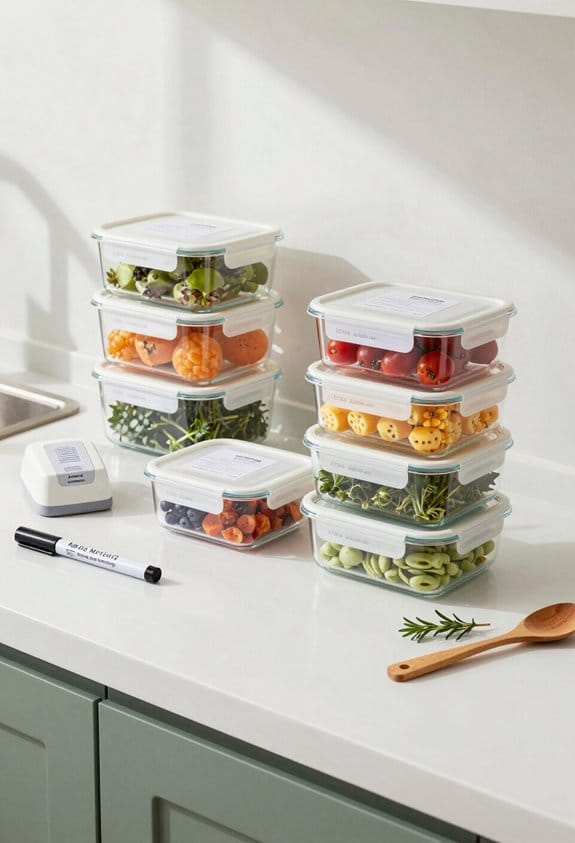
Labeling your freezer meals effectively can really cut down on the chaos when you’re hungry and just want to whip something up. It’s frustrating to open the freezer only to find a bunch of mystery bags. So, what’s the solution? Start by writing down the meal name, the preparation date, and any cooking instructions on each label. This way, you’ll always know what’s tucked away in there.
Now, for keeping those labels clear and readable, choose waterproof and smudge-proof markers. Trust me, they really do make a difference in that chilly environment where everything can get a bit messy. You want your labels to last as long as the meals do, right?
When it comes to organization, think about sorting your meals by type or date. That way, you can easily grab the older meals before you dig into the fresh ones. It might also help to include reheating instructions to make your life easier. Let’s be real—no one wants to guess how long to pop something in the oven.
Here’s a fun tip: try color-coding the labels! You could use different colors for breakfast, lunch, and dinner. Not only does this make it easy to spot what you’re in the mood for, but it also keeps your freezer looking neat and organized.
To maintain the quality of your meals during storage, be sure to use containers with airtight sealing mechanisms to prevent freezer burn and extend freshness.
In short, a little planning can make a huge difference when it comes to meal prep. Plus, it can transform your freezer into a well-stocked, organized space that meets all your culinary needs! So, what’s your go-to method for keeping your meals straight?
What Essential Information to Include on Your Labels?

Want to keep your freezer meals organized and easy to grab? It’s all about the labels. Clear labeling can save you from those moments of confusion when you don’t remember what’s in each container.
First off, make sure to write the name of the dish right on the label. Trust me, this simple step can make meal time so much smoother—no more guessing. Next, don’t forget to add the date when you froze the meal. This little detail helps you keep track of storage time and ensures you eat the older meals first.
Another important thing to note is whether the meal is cooked or raw. It’ll guide you on how to reheat it properly, so you don’t end up wondering if that casserole is ready to eat or needs more time in the oven. Speaking of reheating, try including the instructions right on the label. This way, when dinner rolls around, you won’t be scrambling to remember how to prepare it.
Portion sizes or serving suggestions can also come in handy. Are you planning for a family dinner or a solo binge-watch? Noting this down helps you prep meals that suit your needs perfectly.
Also, storing meals in vacuum sealer bags can significantly extend their shelf life and keep their taste intact while frozen.
So, why does all this matter? It takes the stress out of meal prep and makes cooking during the week a whole lot easier. Honestly, a little organization goes a long way in making your life simpler.
In the end, labeling your freezer meals really does save time and effort. Are you ready to revamp your meal prep process?
Select the Best Materials for Labeling
Choosing the right materials for your labels can really affect how they hold up in the freezer. Ever reached for a meal, only to find the label washed out or peeling off? It’s frustrating! Look for waterproof and smudge-proof labels that can handle the icy environment. Trust me, they’ll stay legible, no matter what.
When you’re selecting materials, aim for the durable stuff like vinyl or polyester. These materials stand up to temperature swings without fading or peeling—definitely a plus when you’re dealing with frozen meals. And don’t forget about the adhesive; you’ll want labels that stick well to plastic freezer bags and airtight containers. The last thing you want is for a label to fall off and mix up your carefully organized meals.
For better visibility and ease, think about color-coding your labels for different meal types or dietary needs. It’s an easy way to grab what you want without too much digging around. Also, consider a label maker. It’s a handy tool that can help you whip up clear labels with all the important details—meal name, ingredients, date prepared, and cooking instructions.
Using containers that include reusable labels can further simplify the organization process and ensure your labels remain secure and easy to update.
How to Organize Your Freezer for Easy Access
After picking the right materials for labeling, let’s get into organizing the freezer so you can easily grab what you need. It’s pretty simple—start by grouping similar items together. Put all the raw meats in one area, fruits in another, and don’t forget those tasty freezer meals. Trust me, this little trick makes finding stuff a breeze. Want to see what’s inside? Use clear, airtight containers and freezer bags. They not only make things visible but also ensure your labels stick around.
Now, here’s the deal with food storage: always use a first in, first out (FIFO) approach. It means digging into your older items before the new ones, which helps cut down on waste. No one likes throwing food out, right? Consider using baskets or dividers to create zones. This way, you can easily locate specific ingredients without the usual chaos.
And don’t forget to keep an updated inventory list. It’ll steer your meal planning and make sure you know exactly what you’ve got in there. Honestly, when everything’s organized and laid out nicely, cooking becomes a lot less stressful. For optimal preservation, consider opting for airtight seals with silicone gaskets or locking lids to maintain freshness and prevent freezer burn.
Tips for Prioritizing and Labeling Your Freezer Meals
Ever find yourself staring into a chaotic freezer, unsure of what meals are hiding in there? It can be frustrating, right? That’s where labeling your freezer meals really helps. By writing down the name of the dish and the date it was prepared, you’ll not only keep track of freshness but also avoid those mystery meals that we’ve all encountered.
Here’s the trick: Include cooking instructions or reheating times directly on the label. This little step can make meal prep a whole lot simpler when you’re in a rush. Also, make sure you’re using waterproof markers or smudge-resistant labels. It’s crucial for keeping everything legible over time.
To keep things organized, try arranging meals by type or by date. It’ll make grabbing older meals a breeze, which prevents food waste. And don’t forget to take a few minutes every now and then to update your inventory. It’s a small effort that helps you stay on top of what you have, ensuring you’re using up the oldest meals first.
Truth is, a little organization in your freezer can save time and hassle during the week. Using reusable freezer bags with clear markings can also enhance the labeling process and maintain food quality.
So, how do you keep your meals sorted?
How to Resolve Common Freezer Meal Labeling Problems
Ever struggled with labeling your freezer meals? It’s a common headache! To make things easier down the line, you’ll want every label to clearly state the meal name, cooking instructions, and the date it was prepared. It’s really helpful for avoiding confusion when you’re rummaging through the freezer, right? For writing, I’ve found that waterproof and smudge-proof markers are the best, especially since things can get a little wild in there.
Here’s a little tip: color-coding your labels might save you some time and stress. For instance, use red for meats, green for veggies—you get the idea! It’s a simple way to keep everything organized at a glance.
When it comes to storage, consider going with reusable silicone bags instead of traditional plastic ones. Not only are they eco-friendly, but they’re also super easy to clean, which is a bonus. And don’t forget about keeping an updated inventory list that matches what you have labeled in the freezer. Why does this matter? Because it helps you minimize confusion and cuts down on food waste.
Truth is, the more organized you get, the simpler it will be to manage your freezer meals. So, establish a labeling system that works for you—your future self will thank you! What’s your go-to trick for keeping your freezer sorted? Using airtight seals on your containers can also ensure meals stay fresh and prevent freezer burn.
How to Keep Your Freezer Meal Prep Consistent
Keeping your freezer meal prep on point can feel like a bit of a chore at first, but trust me, it pays off big time. Ever opened your freezer only to stare blankly at a mountain of food, unsure of what’s what? That’s where a solid labeling system comes in handy. Each label should have the meal name, date you prepared it, cooking instructions, and portion size. This simple trick makes finding meals way easier.
Another life hack is to keep a running inventory of what’s in your freezer. A magnetic board or a simple app can help you stay on top of things. Why dig through your freezer when you can just check what’s in there? You might even try color-coding your labels—like red for meats and green for veggies—so you can spot what you’re looking for at a glance.
How about setting aside a specific day each week just for meal prep? Committing to it helps keep your meals fresh and ensures you always have something on hand for those busy nights. Pick a day that works for you, and stick to it.
To maintain freshness and avoid freezer burn, always use double zipper closures when sealing your freezer bags.
In short, with a little organization and routine, freezer meal prep can really simplify your life. So, which meal will you prep first this week?
Frequently Asked Questions
How Long Can I Safely Freeze Meals?
We can safely freeze meals for up to three months. Following safe freezing guidelines helps guarantee our freezer meal duration remains ideal, and it’s always best to store leftovers safely to maintain quality and flavor.
Can I Reuse Freezer Meal Containers?
Absolutely, we can reuse freezer meal containers! Utilizing reusable container options, we should follow container safety tips for ideal freezer meal organization. Keeping them clean and intact guarantees our meals remain fresh and safe.
What Type of Markers Are Safe for Food?
We recommend using food safe markers for labeling. Permanent markers may pose ink toxicity concerns, while washable options are better for temporary use. Always check labels to verify the markers meet safety standards for food contact.
Are There Any Freezer Meal Labeling Apps Available?
Yes, there are several labeling apps that can streamline our meal planning and help manage our freezer inventory. Studies show organized freezers reduce food waste by 20%, making these tools incredibly valuable for us.
How Do I Prevent Freezer Burn on Meals?
To prevent freezer burn on our meals, we should use proper packaging materials, consider vacuum sealing, and guarantee proper cooling before freezing. These steps help maintain our meal quality and flavor for longer storage.