As an Amazon Associate, we earn from qualifying purchases. Some links on this site are affiliate links at no extra cost to you. Our recommendations are based on thorough research and editorial judgment.


Vacuum Sealing vs. Standard Tupperware: Is the Extra Step Worth It?

Have you ever opened your freezer only to find something that looks more like a science experiment than dinner? That’s where vacuum sealing comes in.
You may be interested


When you’re comparing vacuum sealing to standard Tupperware, it’s pretty clear that the extra effort is often worth it. Just think about it: vacuum sealing can extend the shelf life of your food by three to five times. That means those perishables can stay fresh for up to three years if you store them properly in the freezer.
Plus, it helps prevent freezer burn and keeps the quality of your food intact. Now, Tupperware is fantastic for keeping leftovers or snacks handy, but it doesn’t offer the same longevity.
If you want your food to last longer and taste better, the benefits of vacuum sealing are hard to ignore. It’s a little more work upfront, but it can save you money and waste in the long run.
Want to make the switch? Here’s the trick: invest in a reliable vacuum sealer and some quality bags. Start sealing up those meats, veggies, and even meals you batch cook. You’ll be amazed at the difference it makes.
So, why does this matter? Well, think about all those groceries you buy that end up going bad. With vacuum sealing, you can take control of your food storage and make the most out of what you buy.
In conclusion, if you’re looking to extend the life of your food, vacuum sealing is definitely worth the extra step. What’s holding you back from giving it a try?
Key Takeaways
- Vacuum sealing extends food shelf life by 3-5 times, significantly longer than Tupperware, which preserves leftovers for only 3-5 days.
- Vacuum sealing prevents freezer burn and maintains food quality, while Tupperware’s effectiveness diminishes over time.
- Although vacuum sealers require an upfront investment, they save money long-term by reducing food waste and spoilage.
- Tupperware is user-friendly and reusable, promoting sustainability, while vacuum sealing increases plastic waste due to single-use bags.
- The choice depends on whether you prioritize long-term storage and quality or convenience and ease of use in meal prep.
Choosing the Best Method for Food Storage
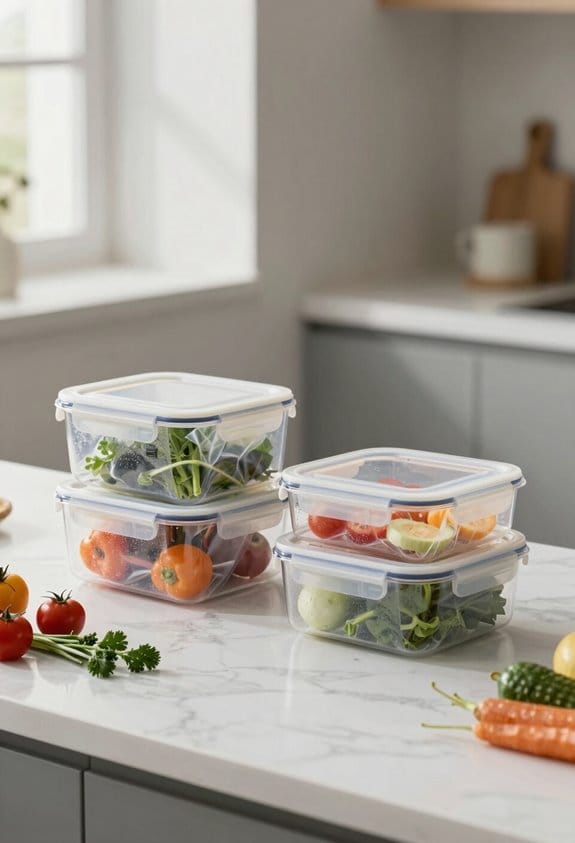
When you’re trying to keep your food fresh for longer, it can feel overwhelming with so many options. Have you ever opened your fridge to find last week’s leftovers look a little worse for wear? That’s where food storage methods come into play, and I want to share what’s worked best for me.
For long-term food preservation, vacuum sealing really stands out. Seriously, these vacuum-sealed bags can keep fresh meat in the freezer for a whopping 2-3 years! Compared to traditional Tupperware, which only lasts about 3-5 days in the fridge, the benefits of vacuum sealing are hard to beat. Plus, it prevents freezer burn, so your food retains its freshness much better than in standard containers.
Now, Tupperware definitely has its perks. If you need something user-friendly for daily meal prep, it can’t be beat. It’s easy to pack your lunch or store leftovers. But let’s be honest: it takes up more space and doesn’t mold itself to food shapes. So, if you’re really trying to maximize your storage and keep things fresh for the long haul, vacuum sealing is totally worth considering.
Here’s a quick rundown of what to think about:
- Vacuum Sealing: Great for long-term storage, keeps meat good for years, prevents freezer burn.
- Tupperware: Handy for daily use, easier to pack meals, but not as space-efficient.
At the end of the day, it all depends on your needs. If you’re looking for quick and simple storage, Tupperware still gets the job done pretty well. But when it comes to preserving food for a long time, vacuum sealing should definitely be on your radar. Many vacuum sealers now come with multi-functional operation to cater to different food types and storage needs. Which method have you found works best for you?
What Is Vacuum Sealing and How Does It Work?
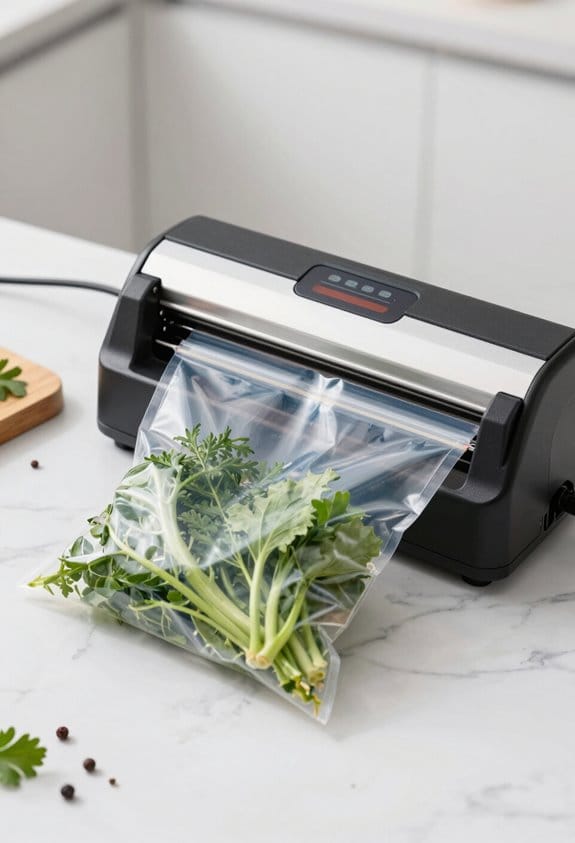
Are you tired of tossing out leftovers because they’ve spoiled? Vacuum sealing might just be the solution you need. This method uses a vacuum sealer to suck the air out of bags or containers, creating a tight seal that keeps your food fresh. By getting rid of oxygen, it really slows down spoilage from bacteria and oxidation, so your food can last much longer.
Take fresh meat, for instance. It typically lasts 3-5 days in the fridge, but when you vacuum seal it and pop it in the freezer, you’re looking at 2-3 years of freshness. Plus, vacuum sealing also does wonders for preserving taste and texture. Have you ever cut up fruit only to find it turning brown within hours? Vacuum sealing prevents that, saving you from that sad, mushy mess. Additionally, suction power plays a key role in how effectively air is removed to extend food freshness.
Advantages of Using Vacuum-Sealed Bags
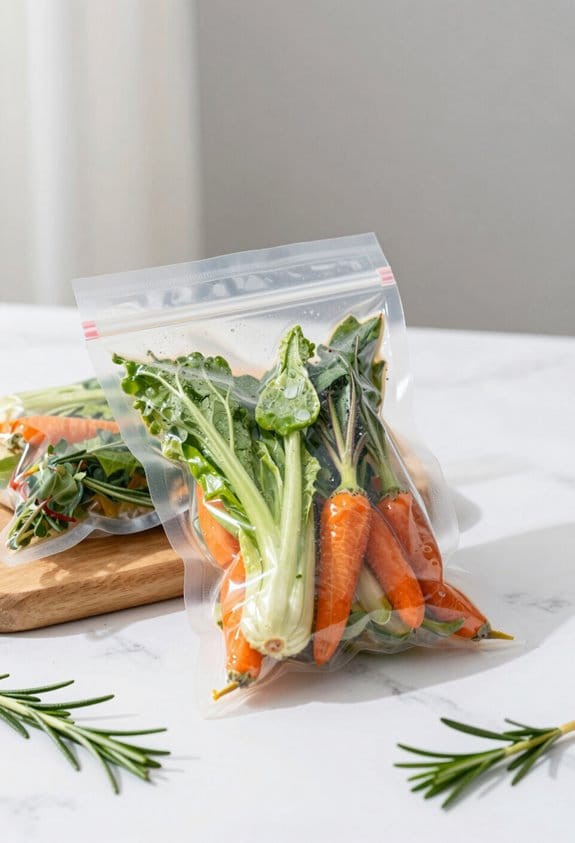
Want to keep your food fresh longer? Vacuum-sealed bags might just be the answer you’ve been looking for. They can actually extend the shelf life of your food by three to five times compared to standard storage methods. That means less spoilage and more meals you can enjoy.
So, how does it work? A vacuum sealer removes air, slowing down oxidation and keeping those pesky aerobic bacteria at bay. This helps maintain the quality and nutrients of your food. You’ll also find that vacuum-sealed items experience way less freezer burn. Have you ever pulled out a package of meat only to discover it’s been ruined? With vacuum sealing, you can store meats for two to three years without losing that delicious taste.
The best part is, it preserves the delicate flavors and moisture of your food. When you seal up a bag, it fits snugly around the shapes of your food, making for easy and space-saving storage.
Many bags are made from BPA-free materials, ensuring your food stays safe without harmful chemicals leaching in.
If you haven’t tried vacuum sealing yet, give it a shot. It’s a practical way to enjoy your food longer and help reduce waste. What’s stopping you from diving into this storage method?
Pros and Cons of Tupperware for Food Storage
Isn’t it frustrating when leftovers end up spoiling because you can’t find the right container? Tupperware can be a pretty reliable go-to for everyday food storage, especially if you’re new to cooking or just trying to keep everything organized. The good news is that it’s usually affordable and widely available at stores. You won’t have to spend a fortune to get started.
One of the best parts? Most Tupperware is safe for the microwave and dishwasher, which makes heating up those leftovers and cleaning up afterward a lot easier. And since they’re reusable and BPA-free, you’re doing your part for the environment too. So, if you’re looking to cut down on waste, it’s a solid choice.
That said, traditional Tupperware can be a bit bulky, taking up more space than some of those nifty vacuum-sealed options. Have you ever noticed how those vacuum containers seem to hug the shape of your food? When it comes to long-term freshness, Tupperware may not keep your food as pristine as vacuum-sealed containers do. For best results, using containers with an airtight sealing mechanism is key to preventing freezer burn and maintaining food quality.
Vacuum-Sealed vs. Tupperware: Which Lasts Longer?
When storing food, do you ever wonder which method keeps it fresh longer? It can really impact how you handle your meals, and trust me, knowing the difference is useful. Vacuum-sealed bags are pretty impressive—they can stretch the shelf life of food in your freezer for 2 to 3 years! On the flip side, that trusty Tupperware you’ve got at home usually only keeps your leftovers good for about 3 to 5 days in the fridge.
So, why is vacuum-sealing so effective? It reduces the chances of oxidation and freezer burn, which means the texture and flavor of your meats and veggies stay top-notch. This method also keeps the nutritional value and moisture intact—something that’s super important if you want your meals to taste great. With Tupperware, however, spoilage can happen a lot quicker, which is definitely something to keep in mind when planning your meals.
The best part is that vacuum-sealed jars are both airtight and leakproof, ensuring that your food remains safe to eat for an extended period. In contrast, Tupperware may not create the same seal.
If you’re serious about long-term storage, vacuum sealing is definitely the way to go over your standard Tupperware. You might even find it less stressful when you’re dealing with leftovers or meal prep! Additionally, many vacuum sealers offer advanced sealing modes that accommodate both dry and moist foods, enhancing preservation quality.
Best Foods to Vacuum Seal for Maximum Freshness
Have you ever opened your fridge or pantry and found food that’s way past its prime? It’s frustrating, isn’t it? That’s where vacuum sealing comes into play—keeping your favorite foods fresh and tasty for a lot longer, as long as you know which items to seal.
Let’s talk about meats first. Vacuum sealing chicken, beef, or pork can extend their freezer life to 2-3 years! This is a win if you’re like me and enjoy stocking up during sales. And when it comes to produce? Think berries, leafy greens, and sliced fruits. Sealing these can boost their freshness by a whopping 3-5 times compared to just tossing them in the fridge. You’ll notice way fewer trips to the grocery store.
Dry goods are another area where vacuum sealing shines. Grains and pasta can stay fresh and pest-free for 1-2 years. That’s a relief if you’ve ever found bugs lurking in your flour. Now, here’s the trick: foods high in water content, like cut veggies or fruits, can also benefit. Vacuum sealing helps prevent browning and keeps them vibrant until you’re ready to snack.
Plus, if you enjoy sous vide cooking, sealing your food beforehand can really amp up the flavors. Marinades soak in better when the air is out, giving you a tasty result with almost no extra effort. Honestly, with a good vacuum sealer, you’re ready to tackle food storage like a pro!
Choosing bags with embossed channels ensures better suction and helps prevent freezer burn for longer-lasting freshness.
Is Vacuum Sealing Worth Your Money?
Is vacuum sealing really worth the money? Honestly, if you’re trying to save on groceries and reduce food waste, it probably is. Vacuum sealers work by removing air, which slows down oxidation and bacteria that spoil your food. This means food that’s vacuum-packed can last a whole lot longer—up to 2-3 years in the freezer compared to just a few days in your regular Tupperware. Plus, they prevent that pesky freezer burn, keeping your meals tasting fresher.
When it comes to prices, compact models can set you back about $30-80, and full-size ones range from $80-300. You might initially cringe at those numbers, but they often pay off over time. Think about how much money you could save by prepping meals in advance or buying groceries in bulk. It really does make life easier and helps you cut down on waste.
So, here’s the trick: start by using a vacuum sealer to prep your meals ahead of time. It’s a practical way to enjoy homemade lunches at work without the hassle of cooking every day. Have you ever had leftovers go bad in the fridge? With vacuum sealing, you can keep those meals in great shape longer, so they don’t end up in the trash.
The best part is that vacuum sealing isn’t just about preservation; it’s also about convenience. With a little effort, you can enjoy yummy, healthy meals without all the stress. Truth is, it’s all about making things simpler for ourselves while being smart with our food.
Furthermore, choosing a vacuum sealer with multiple sealing modes can help tailor the process to different food types and textures, improving preservation results.
In short, vacuum sealing can be a worthy investment for extending the life of your food and saving you money in the long run. Have you thought about giving it a try?
Plastic Waste Considerations: Vacuum Bags vs. Tupperware
Ever feel torn between the hassle of cleaning up after dinner and the convenience of vacuum-sealing bags? You’re not alone. Those bags seem like a quick fix, but there’s more to the story when it comes to our planet.
Here’s the deal: vacuum sealer bags are mostly single-use. This means they create a mountain of plastic waste that often ends up in landfills. The reality is, most of these bags aren’t recyclable. That’s pretty frustrating, right?
Now, let’s talk about Tupperware. Reusable containers can stick with you for years, making them a much better choice for sustainable food storage. They often come in BPA-free plastic which can be recycled. If you really need to part with your Tupperware down the line, you can always repurpose it or donate it to someone who’ll make good use of it.
So, why does this matter? Each small decision adds up. By choosing Tupperware instead of disposable vacuum bags, you can significantly shrink your plastic footprint. It doesn’t take a lot to make a difference — sometimes, just being a bit mindful about food storage can have a lasting impact.
Truth is, it’s easy to grab whatever is convenient, but the effort you put into choosing reusable options can really benefit the environment. What if we all paused to think about the little choices we make every day? Wouldn’t it be amazing to create a cleaner, healthier planet together?
For even greater environmental benefits, consider containers with BPA-free plastics and airtight seals that help reduce food waste by keeping items fresh longer.
How Easy Is Vacuum Sealing Versus Tupperware?
Have you ever found yourself staring at your leftovers, wondering how to keep them fresh without creating a ton of plastic waste? Choosing between vacuum sealing and good ol’ Tupperware can feel like a real dilemma. Let’s break it down.
Using a vacuum sealer might sound complicated, but it’s actually pretty straightforward once you get the hang of it. First, you wash your food and select the right bag size—usually, a bigger bag works best for larger items. Then, you seal the food by sucking out the air for that perfect vacuum. Sure, this might take a few extra minutes compared to Tupperware, where all you do is snap on a lid. But the benefits can be worth it when you see how long your food can last.
On the flip side, Tupperware containers are super user-friendly. They’re often easy to microwave and dishwasher-safe, which can save you time in the kitchen. Vacuum bags, unfortunately, are mostly single-use unless you clean them really well, which can be a hassle. So, while vacuum sealing can really stretch the freshness of your food, Tupperware definitely shines when it comes to everyday convenience. Many vacuum sealers also come with adjustable vacuum power, which helps customize the sealing for different types of food, making the process even more effective.
Frequently Asked Questions
Are Vacuum Seal Containers Worth It?
Absolutely, vacuum seal containers are worth it. While they require an initial investment, their storage efficiency and flavor preservation greatly enhance shelf life compared to standard options, making meal prep more convenient and cost-effective for us.
What Are the Disadvantages of Vacuum Sealing?
Vacuum sealing’s disadvantages include higher cost considerations, significant initial investment, and a learning curve. We also find it can affect food texture and take up more storage space compared to more versatile, reusable options.
Is Regular Tupperware Airtight?
Regular Tupperware isn’t always airtight, with studies showing it retains food freshness only for a few days. When considering container comparison for meal prep, we should evaluate storage longevity before choosing what’s best for our food.
Does Food Last Longer in Vacuum Sealed Bags?
Yes, food lasts longer in vacuum-sealed bags. By using effective food preservation methods, we guarantee freshness retention through vacuum sealing benefits, making it a smart choice in our cost comparison analysis and meal prep strategies.


