As an Amazon Associate, we earn from qualifying purchases. Some links on this site are affiliate links at no extra cost to you. Our recommendations are based on thorough research and editorial judgment.

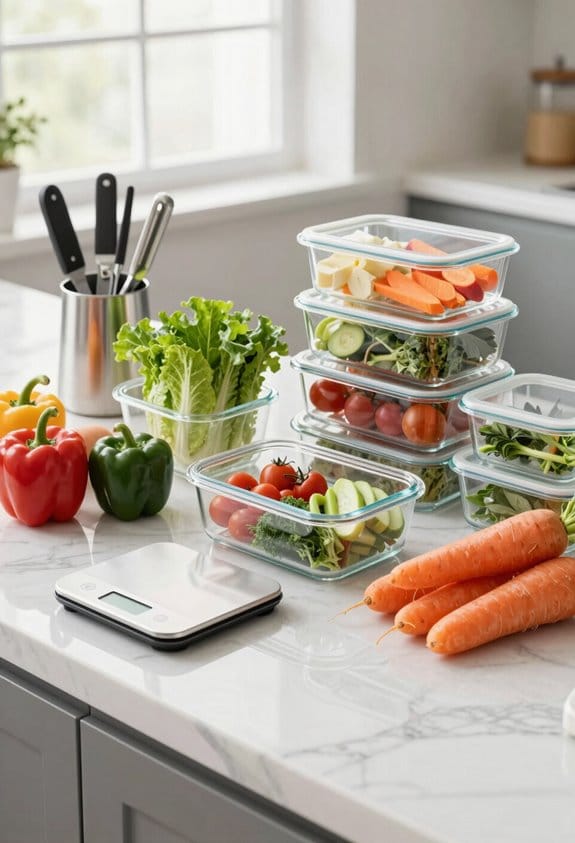
Strategies for Prepping Vegetables Without Them Getting Slimy

Are your veggies getting that slimy feeling before you even get to cook them? It’s frustrating when you’re eager to eat fresh produce but end up with soggy greens instead. Here’s a simple way to keep your vegetables crisp and fresh.
You may be interested
First things first, wash your veggies just before you plan to use them. Give them a good rinse under running water, and if you have a salad spinner, now’s the time to use it to get rid of that excess moisture. Honestly, no one likes a watery salad!
Once you’ve washed your veggies, dry them off thoroughly with paper towels. Trust me, this little step makes a big difference.
For storage, switch to breathable cloth bags or containers that let air circulate—your veggies will thank you.
If you’ve already cut some, keep them in moisture-absorbing containers. This helps keep them fresh for longer.
So, why does this matter? Slimy vegetables can ruin your dishes and even put a damper on your meal prep.
Following these steps will help maintain the freshness and crispness of your vegetables. If you’re looking to throw away those wilted greens and keep your produce vibrant, consider giving these tips a try.
What’s your favorite way to prep vegetables? Let’s keep the conversation going!
Key Takeaways
- Wash only the vegetables you plan to use immediately to prevent moisture buildup.
- Use a salad spinner to effectively remove excess moisture after washing leafy greens.
- Store washed vegetables in breathable cloth bags to manage humidity and prolong freshness.
- Keep cut vegetables in moisture-absorbing containers to reduce sliminess and condensation.
- Regularly check stored vegetables for slimy pieces and discard them to prevent spoilage.
Why Vegetables Get Slimy and How to Prevent It
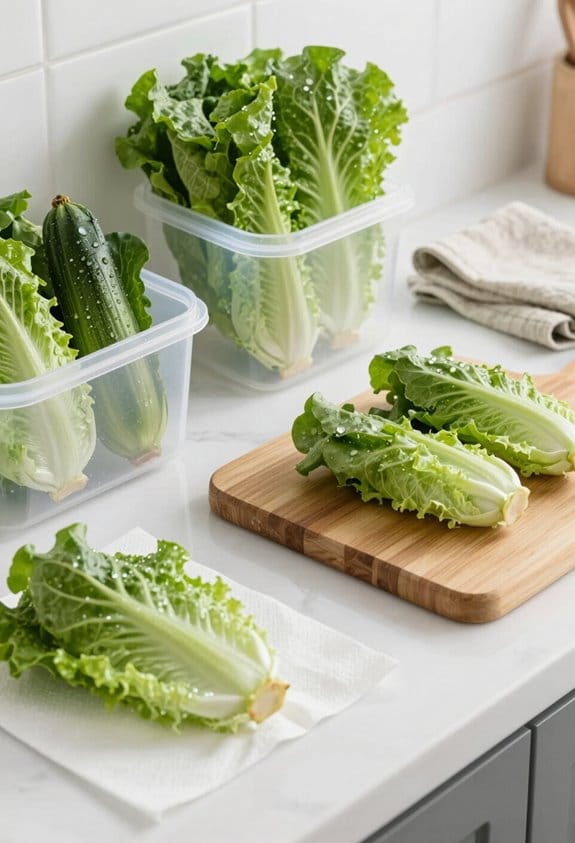
Have you ever opened your fridge to find your veggies turning slimy? It’s definitely a bummer, but understanding why this happens can help you keep your produce fresh for longer. The main culprit is excess moisture, which can be especially problematic after heavy rain or during those hot summer days.
Here’s the trick: make sure to dry your vegetables thoroughly before you stash them away. You’d be surprised at how moisture buildup can lead to quicker decay than you’d expect. Once your veggies are clean, go ahead and store any cut ones in cool, low-humidity spots to make them last longer.
Avoid washing your veggies until you’re ready to eat. Honestly, rinsing them too early can lead to moisture accumulating, which results in that gross slimy texture.
Ever heard of Vejibags? They’re just cloth bags that help maintain the right humidity balance, reducing spoilage and keeping your veggies fresher.
In the end, keeping your vegetables crisp is all about managing moisture. So next time you’re tempted to wash and store your produce, ask yourself: Is this going to keep them fresh, or just let that slimy feeling creep back in? Using airtight food storage containers can further help by minimizing moisture exposure and slowing down spoilage.
Easy Washing Tips for Fresher Vegetables
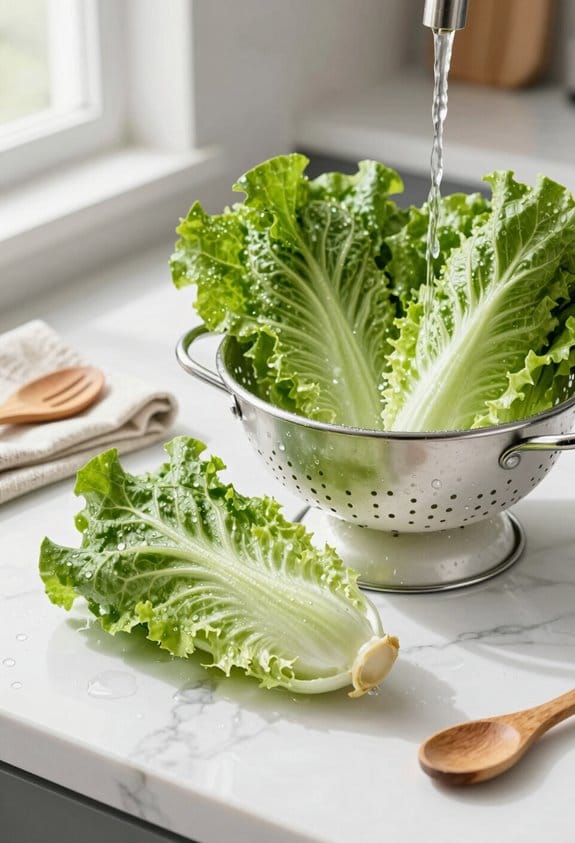
Have you ever pulled a vegetable from the fridge only to find it looking a bit sad and wilted? You’re not alone! Keeping veggies fresh can be a challenge, but with a few simple washing tips, you can make a real difference!
First things first, rinsing your vegetables under running water is essential. Not only does it remove dirt, but it also helps wash away any leftover pesticides. For leafy greens, a salad spinner can work wonders. After giving them a good wash, giving them a spin will cut down on excess moisture, keeping them crisp and less slimy.
When it comes to root vegetables, soaking them briefly in cold water does the trick for dirt removal without adding too much moisture. Just a quick dip will help you get dirt off without making them soggy. Speaking of storage, keeping washed veggies in breathable cloth bags is a smart move. It helps maintain the right humidity, which can significantly extend their freshness.
And here’s a thought: what if you washed only the vegetables you planned to use immediately? For those that spoil quickly, washing right before use can keep them looking and tasting their best. Honestly, implementing these small steps can make a big difference in how long your veggies last. Additionally, using tools with ergonomic designs can make kitchen prep easier and more comfortable.
Proper Drying to Prevent Sliminess
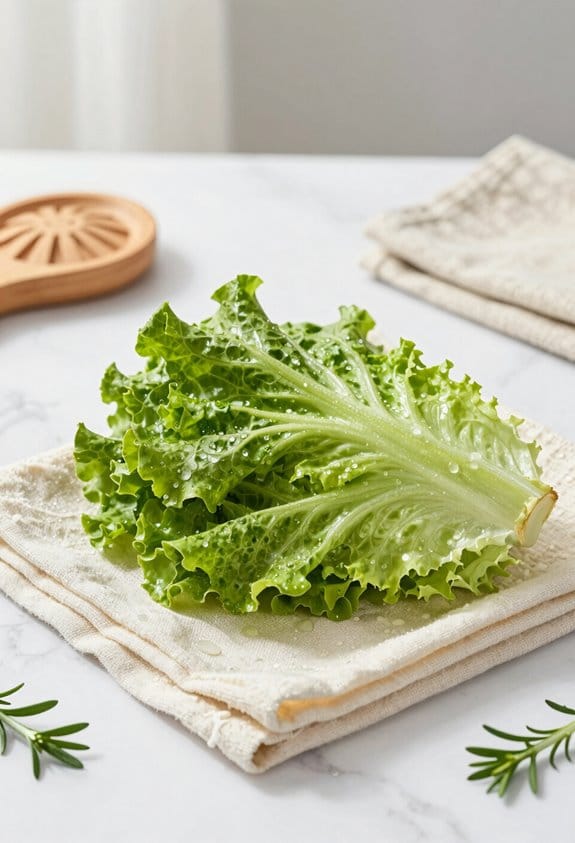
Have you ever washed your veggies only to find them slimy before you even get to eat them? It’s a bummer, right? That extra water on your fresh produce can lead to unwanted textures, especially with delicate leafy greens. Here’s the deal: taking a few moments to dry them properly can really make a difference.
A salad spinner is a great tool for getting rid of extra moisture. Just spin those greens until they’re dry, and you’ll notice a big difference. For veggies that are already chopped, try using paper towels to soak up any leftover water before you pop them in the fridge. This simple step can slow down spoilage quite a bit.
It’s also smart to store your cut veggies in breathable containers. The Vejibag, for instance, keeps your produce fresh and crisp while minimizing condensation. So, why does this matter? Because checking for slimy pieces often can prevent that moisture from spreading and ruining the rest of your veggies.
Using a salad spinner with non-slip base design can help maintain stability during the drying process, ensuring your greens are evenly dried without spills.
Focusing on drying your produce well goes a long way in maintaining its freshness, and let’s face it, no one wants to be greeted by slimy greens when they’re ready to dig in. Have you tried any of these tips before? Happy prepping!
Storage Solutions: Keeping Your Vegetables Crisp and Fresh
Ever notice how vegetables can lose their crunch faster than you’d like? It’s frustrating when you buy fresh produce, only to find it wilted or slimy within days. Here are some tips that really help keep those greens crisp and fresh longer.
First off, moisture is both a friend and enemy. For broccoli and asparagus, you’ll want to pop them in standard plastic bags. This keeps them crunchy while keeping the moisture just right. Now, when it comes to peas, try using perforated plastic bags. They ensure good airflow, preventing any condensation that can make them soggy.
Cut veggies can be a bit tricky. What’s your go-to method for keeping them fresh? Personally, I’ve found that moisture-absorbing containers or just jars filled with water work wonders. They hydrate the veggies without making them slimy—definitely a win in my book!
And if you’re storing leafy greens, wrap them in a damp paper towel before putting them into a breathable bag. This little trick keeps them from wilting. One more thing to remember: always make sure your veggies are completely dry before you stash them away. Extra moisture just leads to rapid deterioration.
Using BPA-free containers when storing your vegetables ensures safety and helps maintain freshness longer.
Keeping your vegetables fresh is all about finding the right balance. With these simple tips, you can enjoy your crisp veggies for a little while longer. What’s your favorite vegetable to snack on, and do you have any go-to storage tips?
Best Practices for Maintaining Freshness in Meal Prep
Ever notice how your meal prep can go from looking great to wilted in just a few days? It’s not just about what you cook; how you treat your fresh ingredients makes all the difference.
First off, when you’re washing your fruits and veggies, make sure to dry them well. Excess moisture? It leads straight to spoilage. Try this: once they’re clean, store your prepped veggies in airtight containers or Vejibags. These can really help keep the humidity in check for over a week.
Now, here’s the trick with chopping: keep those bell peppers away from leafy greens. Together, they can create some unwanted moisture that’ll make everything go bad faster. If you’re prepping apples or potatoes, a splash of lemon juice can really keep them crunchy and prevent that annoying browning.
Regularly check your stored items, too. Honestly, taking a minute to look them over can save you from a soggy disaster later on. If you see they need a little boost, just sprinkle the Vejibag lightly with water.
For meal prep methods that preserve freshness and nutrients, consider using a vegetable steamer basket to gently cook your vegetables without losing flavor or texture.
Composting: What to Do With Produce That Didn’t Keep?
Have you ever opened your fridge only to find wilted greens or mushy tomatoes staring back at you? It can feel frustrating to toss out produce that didn’t make it, but there’s a better way to handle it. Instead of just throwing it in the trash, consider composting it. It’s a simple and rewarding way to turn those scraps into something useful.
First things first, grab a countertop composting bin. This makes it super easy to toss in vegetable peels, scraps, and any sad fruits or veggies from your grocery haul. You’ll be amazed at how quickly you can collect waste that would otherwise end up in a landfill.
To create rich compost, mix your kitchen scraps with yard debris—think dried leaves, grass clippings, and even small branches. The combination of greens (like your fruit and veggie scraps) and browns (like leaves and twigs) helps speed up the decomposition process. Frankly, it’s a win-win situation: you cut waste while making fantastic compost for your garden.
So, why does this matter? Well, composting not only reduces what goes to the landfill, but it also enriches your garden soil. With better soil, your future produce has a much better chance of staying fresh and healthy. And let’s be honest, who doesn’t want to have a flourishing garden?
When you consider the cost of wasted food, composting can be a fun and eco-friendly solution. It encourages a little creativity too; you can even get the kids involved! Using compost in your garden complements meal prep and batch cooking by supporting the growth of fresh ingredients for your dishes.
Frequently Asked Questions
How to Prevent Vegetables From Getting Slimy?
“A stitch in time saves nine.” To prevent vegetables from getting slimy, we should use blanching techniques and proper storage solutions. Keeping them dry, ventilated, and at the right humidity makes all the difference!
How to Meal Prep Veggies Without Them Getting Soggy?
For quick meal prep, we can wash and dry veggies thoroughly, then store them in airtight containers. Using paper towels helps absorb moisture, ensuring our vegetables stay crisp and delicious for longer.
How to Prep Veggies so They Stay Fresh?
To keep our veggies fresh, we can use sharp cutting techniques and store them in airtight containers. Adding a paper towel helps absorb moisture, ensuring great texture and taste for our meals.
How Early Can You Cut up Veggies for a Party?
We can cut veggies up to two hours in advance for a party, balancing freshness and convenience. Using airtight containers for storage tips helps maintain crispness, ensuring our vibrant spread looks and tastes fantastic when served.


