As an Amazon Associate, we earn from qualifying purchases. Some links on this site are affiliate links at no extra cost to you. Our recommendations are based on thorough research and editorial judgment.

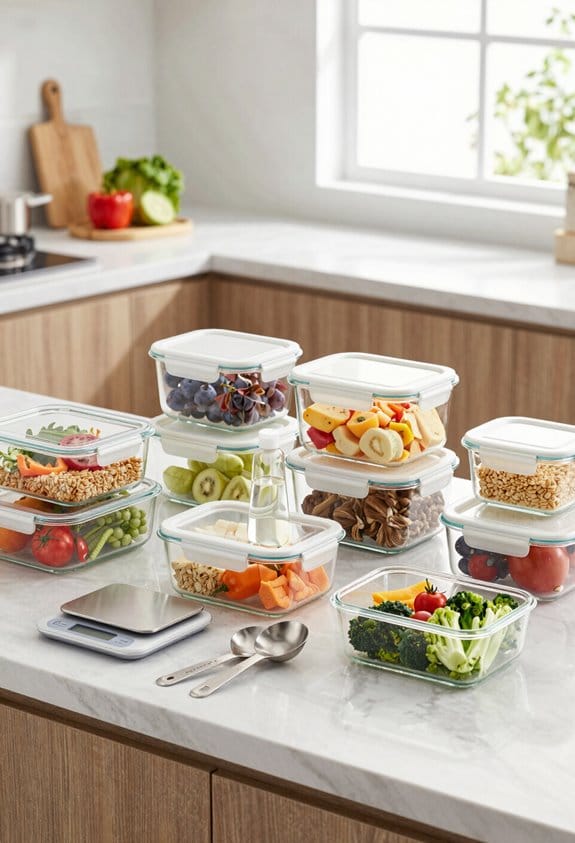
Soup Season: Tools for Storing and Transporting Liquids Safely

When soup season rolls around, it’s all about having the right tools to store and transport those warm, comforting liquids without a hitch. Have you ever opened your lunch bag only to find soup spilled everywhere? That’s why airtight containers are a must—think Cambro or any good BPA-free options. They keep your soup fresh and help avoid those messy surprises.
You may be interested


Transporting soup can be tricky. Here’s a tip: use nonslip liners to keep your containers stable. It’s such a simple solution, but it makes a real difference. Additionally, when you’re heating up that delicious soup, make sure it reaches an internal temperature of 165°F to ensure it’s safe to eat.
What about those frozen leftovers? There are a few easy tricks to thaw them properly. You can place them in the fridge overnight or run them under cool water for a quick defrost. Why risk ruining your meal with improper thawing?
The best part is that with the right tools and knowledge, you can make soup season enjoyable and hassle-free.
Happy soup making, and what’s your go-to recipe this season?
Key Takeaways
- Use airtight containers like Cambro or BPA-free options to prevent spills and maintain soup freshness during transport.
- Cool soup in shallow containers to minimize bacterial growth and ensure safe storage.
- Secure containers with seatbelts and wrap them in towels for insulation and stability during travel.
- Label containers with dates and contents for easy identification and organization.
- Reheat soup to an internal temperature of 165°F, stirring continuously for even heating and flavor retention.
Why Proper Soup Storage and Transport Are Essential
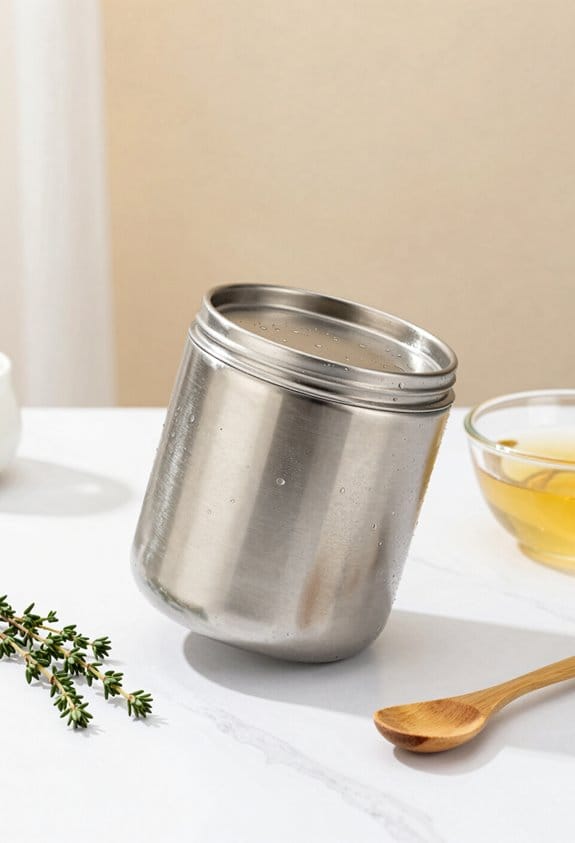
When you’re whipping up a pot of soup, you might get lost in crafting the perfect flavor or figuring out the right spices. But have you ever considered how you’re going to store and transport your creation? Proper soup storage and transport are just as important as the recipe itself!
To keep your soup tasting fresh and safe, you should really invest in some good airtight containers. Cambro containers or even oversized coffee containers work wonders. Plus, cooling your soup in shallow containers before you pop it into the fridge can really speed up the cooling process and cut down on bacterial growth. If you leave soup sitting out for longer than two hours, you’re entering the danger zone—yikes!
When you’re reheating your soup, make sure it hits an internal temperature of 165°F. This isn’t just a number; it’s your safety net, ensuring any potential toxins are taken care of. The last thing you want is to take a chance with your meal, right?
Here’s the trick for transport: wrap those containers tightly with plastic wrap. And if you place nonslip drawer liners underneath, they won’t slide around while you’re on the go. Secure meals make for a less stressful experience—and honestly, who doesn’t want that?
Additionally, choosing containers made from BPA-free materials ensures your soup stays safe from harmful chemicals during storage and reheating.
Choosing the Right Containers for Soup Safety
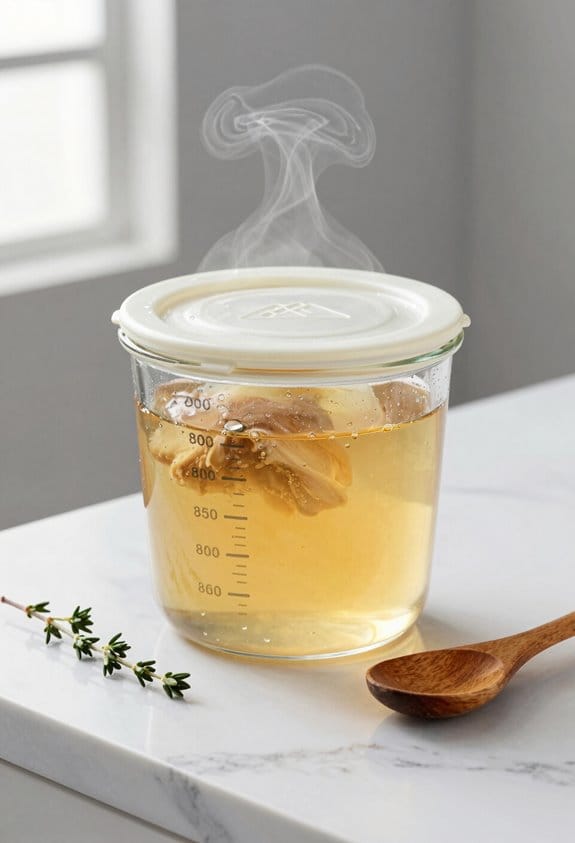
Finding the right containers for soup storage and transport can be a bit tricky. You want to keep your favorite recipes fresh and safe, right? For those steaming bowls, especially when you’re dealing with hearty butternut squash soup, consider using airtight options. Cambro containers or sealed pressure cookers are solid choices. They help prevent spills and keep everything fresh! Make sure to grab BPA-free, food-grade containers that can take the freezer if you’ve got leftovers.
Now, when you’re hauling those hot soups around, oversized coffee containers can work wonders. Here’s the trick: stabilize them with nonslip drawer liners or pack towels around the sides. It helps reduce movement and keeps everything secure during transport. And don’t forget to label your soups with the date you made them and what’s inside. Keeping track of your soups avoids any unpleasant surprises when you’re ready to dig in! Using containers with leak-proof lids is essential to prevent spills and maintain freshness during transport.
Essential Tools to Prevent Soup Spillage
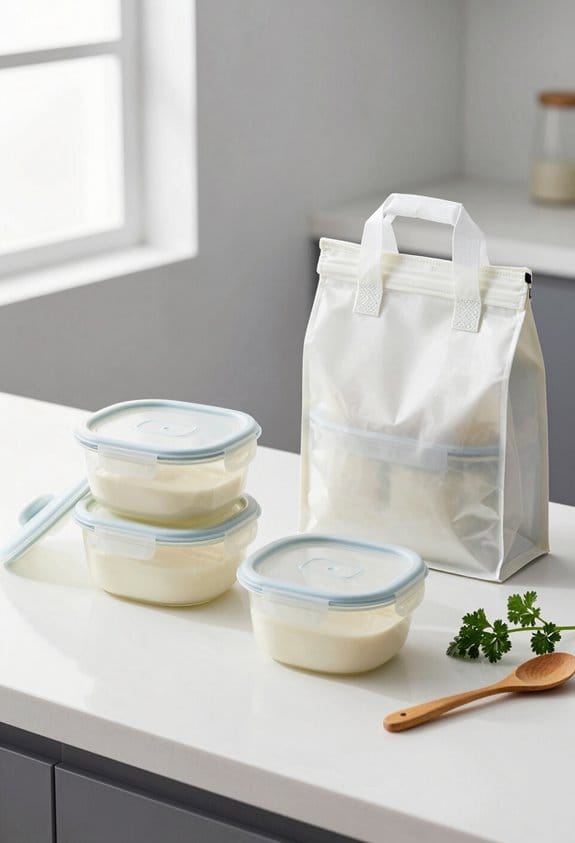
Have you ever tried to juggle a warm bowl of soup only to end up creating a messy disaster in your car? It’s frustrating, right? But don’t worry, I’ve got some handy tips to keep your delicious soup right where it belongs—inside the container.
First off, you’ll want to start with the right container. Opt for airtight storage containers like Cambro or even those big coffee containers. They’re great for keeping your soup safe during transit. Next, wrap the top of your container tightly with plastic wrap. This extra layer of protection can make a big difference—trust me.
Here’s a little trick I discovered: use a nonslip grip drawer liner under your container. It adds stability while you’re driving, reducing any chance of slippage. Don’t forget to position the soup on a flat surface in your vehicle, and if you can, buckle it in with a seatbelt. It’s that simple!
If you’re traveling with a friend, ask them to hold the container. It might sound silly, but a little extra care can keep your meal mess-free. So, why does this matter? Because no one wants to spend their dinner digging soup out of the cracks in their car seats!
In the end, these simple steps can seriously cut down your chances of spills. You deserve to enjoy your warm soup without worrying about making a mess everywhere you go! Using leakproof and airtight designs in your containers significantly helps prevent spills during transport. What’s your best tip for transporting food?
How to Insulate and Transport Soup Safely
How to Insulate and Transport Soup Safely
Have you ever planned to take a delicious pot of soup to a gathering, only to worry about it spilling or cooling off during the ride? Trust me, you’re not alone in this. Keeping soup hot and secure while traveling doesn’t have to be a headache.
First, consider using airtight containers. Think about heavy-duty storage containers or even good old pressure cookers to keep things sealed tight. This not only prevents spills but also maintains the right temperature for your soup or stew.
Here’s the trick: when transporting your soup, try to minimize any movement. A quick tip? If you can, secure that container with a seatbelt or lay it flat on the car floor. It’s all about giving your tasty cargo a safe and cozy ride.
To amp up the insulation, grab some towels or blankets and wrap the container. It adds an extra layer of warmth. If someone else is in the car with you, ask them to hold the soup carefully, or at least keep an eye on it. It’s those little things that can make a big difference.
Also, using containers with leakproof lids and airtight seals can greatly enhance the security and freshness of your soup during transport.
And, let’s not forget about being prepared for anything. Making sure everything is stable and secure will give you peace of mind during your trip.
In the end, with these tips in hand, you’re all set for a successful soup transport. How do you usually keep your soups warm on the go?
How to Reheat Leftover Soup Without Losing Flavor
Have you ever pulled leftover soup from the fridge only to find it doesn’t taste quite as good as the first time around? There’s nothing worse than reheating a delicious batch of soup and losing all that wonderful flavor. So, how do you keep that taste intact while making sure it’s safe to eat?
First off, make sure your soup hits an internal temperature of 165°F. This isn’t just a temperature check – it keeps your meal safe and tasty. If you’re warming up something like a rich seafood chowder or classic chicken noodle soup, it’s best to stick it in a pot over medium heat. Make sure to stir continuously to distribute the heat evenly. If that chicken noodle soup is heavy on the starch, stirring is especially key to avoid it getting clumpy.
Now, here’s a quick tip: only reheat your soup once. Each time you heat it up, you risk ruining those great flavors and letting bacteria multiply. Plus, if your soup’s been left out for more than two hours, it’s smart to toss it. Food safety should always come first, don’t you think?
For longer storage, consider using a vacuum sealer to preserve your soup’s freshness and extend its shelf life significantly.
Avoid These Common Soup Storage and Transport Mistakes
Have you ever ended up with a lukewarm soup covered in who-knows-what after a long drive? We’ve all been there, and it’s no fun. So let’s dive into how to store and transport your delicious soup creations without losing any of that amazing flavor or risking a mess!
First off, cooling your soup properly is key. You should never leave it out for more than two hours; that’s just begging for bacteria to crash the party. Use these effective cooling techniques: place your soup in shallow containers to help it chill faster or even pop it in an ice bath.
Now, about those containers you use: always go for airtight ones. They’ll keep your soup fresh and prevent any pesky spills. When you hit the road, don’t forget to buckle those containers in with seatbelts! It sounds silly, but it really helps keep everything steady during transit.
And let’s talk reheating. When you’re ready to enjoy your soup again, give it a good stir often. Ingredients like cream or noodles can end up creating hot spots, which means you might accidentally burn your mouth. Aim for that magic number of 165°F to ensure it’s safe and delicious for everyone at the table.
Choosing containers made from durable materials like polycarbonate and Tritan plastics can help ensure your soup stays fresh even in varying temperatures.
Why Airtight Containers Matter for Soup Safety
Have you ever opened your fridge to find your soup has lost its flavor or gone bad? It’s such a disappointment, right? I can’t stress enough how important it is to use airtight containers when storing your soups, whether it’s a cozy chicken noodle or a savory tomato basil.
Airtight containers really help keep your soup fresh. They do this by limiting exposure to air, which can cause oxidation and spoilage. Just think about it: when your leftovers stay sealed up tight, they can hold onto their flavor longer. Plus, they protect those ingredients, like proteins and veggies, that tend to spoil quickly.
And honestly, if you plan on taking your soup somewhere—like to a friend’s house or for lunch at work—those airtight containers are a lifesaver. They seal in the goodness and prevent those messy leaks and spills, which are always a hassle to clean up.
So, why does this matter? Using these containers also helps prevent cross-contamination with other foods in your fridge. You want to keep your meal prep safe and worry-free, right?
The best part is that investing in good airtight containers is worth it. They’re not just about keeping your soup fresh; they’re about making your life easier. Truly, it’s a small change that can have a big impact on your cooking routine.
To get the best results, choose containers with a silicone gasket seal that ensures an airtight closure and prevents leaks.
In short, airtight containers are essential if you want to keep your delicious soup safe and tasty. What’s your favorite go-to soup, and how do you store it?
Soup Storage Tips: Transforming Leftovers Into New Meals
Storing leftover soup can feel a bit overwhelming sometimes, can’t it? But it doesn’t have to be! By following a few straightforward tips, you’ll keep your soups fresh and tasty. First off, grab some good airtight containers—these are essential for locking in that freshness, especially with cream-based soups that can spoil quickly. A little trick that helps is labeling your soups with the dates. This way, you can keep track to ensure you enjoy them within three to four days.
When it comes to cooling your soup, shallow containers are your best friend. They help cool your soup faster, which can prevent those pesky foodborne illnesses. Plus, when reheating, make sure you’re aiming for an internal temperature of 165°F. Stirring occasionally can also help it heat evenly, so nobody ends up with a cold spot.
If you can’t finish your soup right away, think about meal prepping them for later. Mixing leftover ingredients in new ways can lead to some delicious flavor combinations. Who knows? You might even stumble upon a new favorite! For best results, use airtight containers with leakproof lids to securely store liquids like soups and prevent spills.
How to Safely Freeze and Thaw Soup
Freezing soup can be a lifesaver when you want to enjoy your favorite flavors later. But have you ever wondered about the best way to do it without losing quality? First off, letting your soup cool to room temperature is a must. This helps prevent freezer burn—nobody likes that dry stuff!
Once the soup is cool, it’s time to get it into airtight containers. Don’t forget to label them! Writing down the type of soup and the date you froze it will save you from confusion later on. You know that moment when you open the freezer and wonder what’s hiding in there? Labels help avoid that mystery meal situation.
Using containers made of borosilicate glass ensures durability and temperature resistance, making them ideal for freezer storage.
Now, when it’s time to thaw that delicious soup, always remember to do it safely. It’s best to either pop it in the fridge overnight or use cold water immersion. You could microwave it, but that can lead to uneven heating. Nobody wants a hot spot that’s boiling while some parts are still frozen!
Once your soup is thawed, it’s crucial to reheat it to a safe temperature of at least 165°F. This ensures any lurking bacteria are wiped out. Honestly, who wants to deal with foodborne illnesses?
One last tip: avoid refreezing soup that’s already been thawed. It helps keep the taste and texture intact. Plus, it’s just a good practice overall to prevent waste and potential food issues. So, as you tuck those containers in your freezer, think about how nice it’ll be to enjoy that homemade goodness later. What’s your favorite soup to freeze?
Must-Try Soup Recipes That Travel Well
When you’re on the move, figuring out what soups to take along can be a bit tricky. You want them to travel well and still taste fantastic. Robust minestrone soup is a hearty pick packed with veggies and beans that holds up beautifully during travels. Plus, it’s so satisfying that you’ll find yourself craving it again and again!
If you’re in the mood for something a little more indulgent, creamy potato bisque is a great option. Just remember to store it in an airtight container to keep that lovely, creamy texture intact. Now, lentil barley soup is another winner—nutritious, filling, and it reheats like a dream. So, why does this matter? Because a good soup should taste just as good days later!
When you whip up these soups, here’s the trick: add pureed veggies or starches to thicken things up. This not only enhances the flavor but also makes sure they maintain that pleasing texture when you’re ready to enjoy them later. The best part is you can customize your soups to fit your flavor cravings!
In short, having the right soup recipes can make a world of difference on those busy days. What’s your favorite go-to soup for traveling? Also, be sure to use vacuum seal containers designed for liquids to safely store and transport your soups without leaks or spills.
Frequently Asked Questions
What Is the Best Thing to Transport Soup In?
We think the best things for transporting soup are insulated thermoses for temperature retention, leak-proof containers to avoid spills, and sturdy soup mugs for easy serving. It’s all about keeping our soup safe and warm!
What Is the Best Container to Store Soup In?
The ideal soup containers are freezer-friendly options made from BPA-free materials. We should consider portion sizes, as storing smaller servings lets us enjoy our favorite soups later while minimizing waste and saving space in our freezers.
How to Transport Liquid Food?
To transport liquid food safely, we’ll use spill-proof solutions like airtight containers, ensuring proper liquid insulation. Let’s keep soups secure and at the right temperature, promoting soup safety during our journey together.
What Condition Should Containers for Soup Storage Be When Storing Soups?
When we store soups, we need airtight, BPA-free containers for safety. Balancing portion sizes and temperature control guarantees freshness, while using durable materials prevents leaks. Let’s label them clearly to keep everything organized and delicious!


