As an Amazon Associate, we earn from qualifying purchases. Some links on this site are affiliate links at no extra cost to you. Our recommendations are based on thorough research and editorial judgment.


Organizing Your Fridge for Meal Prep Success: The First In, First Out Rule

Have you ever opened your fridge only to find a science experiment lurking in the back? It can be pretty frustrating, but with a simple approach, you can make meal prep a breeze. Enter the First In, First Out (FIFO) rule.
You may be interested
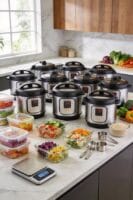
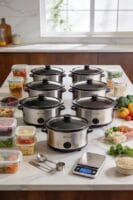

To start, put older items at the front. This way, you grab those first instead of letting them rot. It’s a straightforward tweak that can save you from wasting food. Don’t forget to date all perishables! Writing the date on your containers helps track freshness—no more guessing if that yogurt is still good.
Keeping similar foods together makes a world of difference. Use clear containers so you can see what you have at a glance. It saves you time when you’re trying to whip up dinner after a long day. Honestly, a tidy fridge means less stress when cooking.
Regularly checking for expired items is a must. Take a few minutes to clean out the space—keeping things fresh is easier when you don’t have to dig through old food.
So, why does this matter? You’ll waste less, save money, and streamline your meal prep.
In short, following the FIFO rule can really help. A well-organized fridge not only looks great but helps you feel more in control.
What’s one thing you’ll change in your fridge this week to make meal prep easier?
Key Takeaways
- Implement the FIFO method by placing older items at the front to ensure they are used before spoiling.
- Organize your fridge with clear containers and labels for easy access to ingredients and their expiration dates.
- Conduct regular inventory checks to prioritize using items nearing their expiration to minimize food waste.
- Maintain a tidy fridge by regularly cleaning out expired items, making meal prep more efficient and enjoyable.
- Avoid overcrowding by categorizing foods and using storage solutions like tiered racks and Lazy Susans for better organization.
Understanding the FIFO Method for Effective Food Management

Have you ever opened your fridge and felt overwhelmed by the amount of food that’s lurking in the back? If you’re like me, you probably find it hard to keep track of what’s fresh and what’s about to go bad. The FIFO (First In, First Out) method is a practical way to tackle this problem head-on.
By putting your older items at the front and newer ones in the back, you can make sure that you use up perishables before they spoil. It’s an easy system that encourages you to dig through your food rather than letting it pile up in the back. Plus, it makes keeping track of expiration dates a whole lot easier, leading to a more organized fridge.
To keep your food fresh and safe, consider dating your items and rotating them regularly. Just this little tweak can go a long way in extending the life of your fresh produce. Honestly, it’s all about being mindful of what you have and reducing food waste. Don’t you hate when you find that moldy container weeks after you bought it? By being proactive, you can actually enjoy your groceries without that nagging worry about spoilage.
Using airtight food storage containers is also a great way to prolong freshness and prevent cross-contamination while organizing your fridge effectively.
Benefits of FIFO for Smart Meal Planning and Reduced Waste
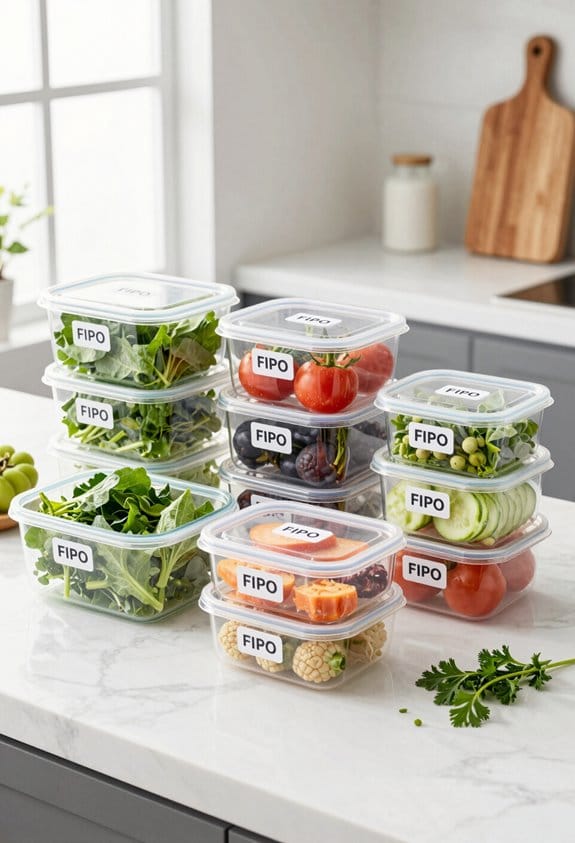
Have you ever opened your fridge only to find that food you meant to use a week ago is now a science experiment? It’s frustrating, isn’t it? This is where the FIFO method comes in. Organizing your fridge using FIFO—First In, First Out—makes it pretty easy to keep track of what’s in there and what needs to be used up.
When you put the older items at the front, you’re more likely to reach for them first. This not only cuts down on waste but also helps you plan meals more effectively. Instead of staring at half-forgotten jars in the back, try this: make a habit of checking expiration dates more regularly. This way, you can prioritize your fresh produce and healthy snacks, which always makes for better meals.
Here’s the trick: when you organize items by their expiration dates, you’ll find meal planning becomes a lot simpler. If you know what’s nearing its expiry, you can easily throw together meals that use those ingredients. It’s all about making sure you’re cooking with what you have on hand.
Frankly, FIFO even makes grocery shopping a whole lot easier. By keeping track of what needs to be consumed first, you’re less likely to buy duplicates of items you’re not going to use right away. Plus, with everything easily accessible, prepping meals is less of a hassle. Using airtight seals on your food storage containers can further extend the freshness of your ingredients, complementing the FIFO system effectively.
Practical Steps for Applying FIFO in Your Kitchen

Have you ever opened your fridge only to find a bunch of expired food hiding in the back? It happens to the best of us! To avoid wasting food and money, let’s talk about how to make the FIFO method actually work in your kitchen.
Start by organizing your fridge with some thought. Group similar items together in clear storage containers; this way, you can easily spot your older perishables. When you bring home new groceries, put them behind the ones that have been there longer. This way, you’ll always grab the oldest items first, keeping everything fresh and tasty. And don’t forget to play around with humidity settings to help your fruits and veggies last longer.
Checking expiration dates should become a habit. It’s a great way to plan your meals and prioritize the ingredients that need to be used soon. Also, consider sorting your fridge by food categories—keeping fruits with fruits and veggies with veggies—so you can find what you need quickly.
Using containers with airtight seals can also help maintain freshness and extend the life of your produce.
Doing these simple things can help you cut down on waste and make meal prep a breeze. With a little time and effort, you’ll see the benefits in your grocery bills and your homemade dishes.
Best Ways to Store Food Freshly in Your Fridge
Making the most of fridge space can feel like a puzzle sometimes, especially when you want to keep your food fresh. Have you ever opened your fridge to find wilting greens or forgotten leftovers? Here are some real-life tips to help you get organized and extend the life of your groceries.
Start by sorting your fruits and veggies in those humidity-controlled drawers. Leafy greens thrive in higher humidity, while fruits prefer it a bit drier. By doing this, you’re setting the stage for fresher produce. Also, clear bins can be a lifesaver. They help you stack and separate items so you can easily see what you have, making it easier to decide what’s for dinner.
Here’s the trick: label your containers with what’s inside and when it expires. This simple step helps you keep track of what needs to be eaten first. The “first in, first out” method is an easy way to manage your food.
Don’t ignore safety, either. If raw meats are getting mixed up with veggies, you could be risking cross-contamination. It’s best to keep those on the bottom shelf. Frankly, it just makes sense to avoid a food safety disaster.
Oh, and remember that your fridge should ideally be set at or below 40°F (4°C). This temperature keeps your meals fresher for longer without the stress of wondering if something’s gone bad. Additionally, using tools with multiple cooking functions can help meal prep by efficiently managing different food types and cooking times.
In short, a little organization goes a long way in keeping your food fresh and your fridge tidy. What’s one habit you’d like to change to improve your fridge game?
Maximize Fridge Space With Storage Solutions
Ever stared at a cramped fridge and wondered how on earth you’re going to fit everything in? It can feel like a puzzle sometimes, but it’s all about smart storage solutions that can really make a difference.
Start by categorizing your food with clear containers and stackable bins. This approach helps you organize your fridge and makes it easy to see what you have on hand. Don’t forget to add labels! Make sure they include the contents and expiration dates. This supports the First In, First Out principle, which can save you from finding moldy leftovers hiding in the back.
Here’s the trick: consider using tiered racks to create extra levels for snacks and meal prep items. They can really transform how much you can fit in there. And if you’ve got a collection of condiments or small jars? Lazy Susans are fantastic. They keep everything accessible without digging through the back every time you need something.
Honestly, crisper drawers can be a bit tricky for keeping produce fresh. That’s where modular drawer dividers come in handy. They help you keep everything organized, so your fruits and veggies don’t end up wilting together.
All these tips make cooking and meal prep easier, trust me. Think about your own fridge—what’s one step you could take today to make more space? Using airtight food storage containers can also preserve freshness and reduce waste in your fridge.
How to Keep Your Fridge Organized With Regular Cleanouts
Have you ever opened your fridge only to be greeted by a funky smell or a mystery container that you’re too scared to open? Keeping your fridge organized isn’t just about looks; it’s about making sure your food stays fresh and safe to eat. Regular cleanouts every few weeks can really make a difference. Not only do these sessions help you spot expired items, but they’ll also keep those odors at bay.
As you’re going through everything, check those expiration dates closely. The FIFO method—First In, First Out—is a handy way to manage your food. Place the older items at the front so you’ll use them first. This simple tip can save you money and reduce waste.
Aligning your fridge cleanouts with grocery shopping days can make the process seamless. Before you load up on fresh ingredients, take a few minutes to declutter. Trust me, there’s nothing worse than trying to fit fresh produce into a crowded fridge.
Oh, and here’s a common mistake: storing milk in the fridge door. It seems convenient, but it’s actually better to keep it on a shelf where the temperature is more stable. Also, make it a point to wipe down the shelves periodically. A quick cleaning with a simple solution can help maintain food safety and address any spills before they become a bigger mess.
Using coolers with effective insulation during meal prep can also help keep your packed meals fresh until consumption.
So, why does this matter? Not only does a clean fridge make cooking easier, but it also keeps your meal prep enjoyable. After all, who wants to sift through a chaotic fridge when they’re trying to whip up dinner? A little organization goes a long way in making your cooking experience a breeze.
In short, regular fridge cleanouts, smart organization, and cleanliness can turn this daily task into something you don’t dread. What’s your favorite trick for keeping your fridge manageable?
Common Mistakes When Implementing FIFO and How to Fix Them
Have you ever opened your fridge and felt overwhelmed by the chaos inside? You’re not alone. A few common mistakes can really get in the way when you’re trying to make FIFO work for your fridge organization.
One biggie is forgetting to date your food. If you don’t label those groceries with a purchase or expiration date, things can get confusing really fast. Trust me, it’s all too easy for that carton of milk to turn into a science experiment before you even notice it. So, make it a habit to clearly label everything.
Another pitfall is overcrowding your fridge. It’s easy to just shove everything in, but that makes it difficult to find what you need. Keeping some space clear will help your FIFO flow and make it easier to grab things without knocking other stuff over. And don’t skip those regular inventory checks—aim for once a week if you can. This way, you can use up older products first.
Grouping similar items together can also save you a headache down the road. When everything’s organized, you’re less likely to find that weird half-eaten cucumber lurking in the back.
Oh, and here’s a tip: resist the urge to put new groceries in front of the older ones. Position your fresh stuff to the back, so your oldest items are front and center. This can really help them stay fresh longer and reduce waste.
Proper maintenance and replacement of sealing components like the pressure cooker gasket can similarly help preserve freshness and prevent spoilage in stored food containers.
Essential Tips for Maintaining a Clean and Organized Fridge
Ever opened your fridge and felt like it’s a chaotic mess? It’s all too easy for leftovers and groceries to pile up, creating a battleground of expired items and forgotten meals. But keeping your fridge clean and organized doesn’t have to be a daunting task. You just need a little strategy.
Start by making it a habit to clean out your fridge every few weeks. Tossing expired items is a must—no one wants to discover moldy food lurking at the back of the shelf! When you wipe down surfaces, consider using natural cleaning solutions. Not only do they help fight bacteria, but they also keep those unpleasant odors at bay.
Try this: grab some clear storage bins and labels. Categorizing your food this way makes it super easy to see what you have, and trust me, it saves you from those last-minute takeout nights when you realize there’s something good hiding behind that pickle jar.
Implementing the “first in, first out” system is a smart move. Position older items at the front and new ones toward the back. It’s a simple trick that can help reduce food waste and ensure you’re enjoying things while they’re still fresh. Speaking of freshness, you’ll want to check your fridge’s temperature settings every so often—ideally, keep it around 37°F (3°C). This keeps your food safe and delicious.
Consider creating zones in your fridge, too. For instance, store dairy products in the middle and raw meats at the bottom. This not only helps with organization but also keeps cross-contamination at bay.
Honestly, once you get into a routine with all this, maintaining a tidy fridge becomes a breeze. Using airtight and leak-proof containers can further help keep your food fresh and prevent spills inside your fridge. So, how’s your fridge looking right now? Maybe it’s time for a little refresh!
Frequently Asked Questions
What Is the 2 2 2 Rule for Food?
The 2 2 2 rule helps us manage food freshness by eating opened items or leftovers within two days, boosting kitchen efficiency, ensuring safe temperatures, and fostering healthier choices through effective container organization and meal rotation.
How to Organize a Fridge for Meal Prep?
To organize our fridge for meal prep, we should designate fridge zones, focus on ingredient labeling, optimize shelf efficiency, manage temperatures, choose appropriate containers, strategically position produce, properly place proteins, and organize leftovers effectively.
What Is the 3 3 2 Meal Prep Method?
The 3 3 2 meal prep method focuses on meal planning basics, with three main meals, three snacks, and two breakfasts. It’s our go-to for effective grocery shopping, batch cooking, and keeping flavors exciting through smart ingredient choices.
What Are the 5 Rules in Planning Meals?
When planning meals, we should focus on balanced diet principles, portion control techniques, ingredient swapping tips, weekly shopping lists, healthy recipe ideas, batch cooking benefits, freezer storage guidelines, and family meal involvement to minimize waste.


