As an Amazon Associate, we earn from qualifying purchases. Some links on this site are affiliate links at no extra cost to you. Our recommendations are based on thorough research and editorial judgment.


A Guide to Measuring Macros for Beginners Using a Simple Food Scale

Have you ever tried tracking your food intake and found it overwhelming? You’re not alone! Measuring macros, specifically proteins, carbs, and fats, can feel tricky at first, but a food scale makes it so much easier.
You may be interested
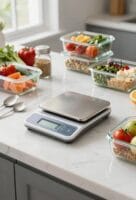

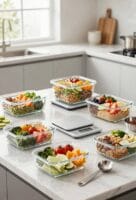
To get started, it’s all about accuracy. A food scale lets you weigh your portions precisely. You can zero out the scale with a container for the exact amount of food you’re using. Trust me, using grams instead of ounces really helps with keeping everything straight.
Now, here’s the trick: don’t skip logging everything, even those little snacks or drops of oil you might think don’t count. You might wonder, why does this matter? Every bit adds up, and tracking it helps you see where your macros are really going.
Getting the hang of this takes practice, but it’s doable. There will be times you feel like it’s too much, but keep pushing through. The best part is that once you get a rhythm going, it becomes second nature.
So, are you ready to dive in? Start measuring and logging, and before you know it, you’ll feel much more in control of what you’re eating!
Key Takeaways
- Use a food scale to accurately measure portions, ensuring precise tracking of macronutrients for each meal.
- Utilize the tare function to exclude container weight, aiding in accurate food measurements every time.
- Weigh food in grams for better precision, particularly essential for tracking macros accurately.
- Log all measurements in a food tracking app like MyFitnessPal for effective calorie and macro monitoring.
- Stay consistent in tracking all consumed food, including snacks and cooking oils, for comprehensive macro management.
Here’s Why You’ll Love Using a Food Scale for Tracking Macros
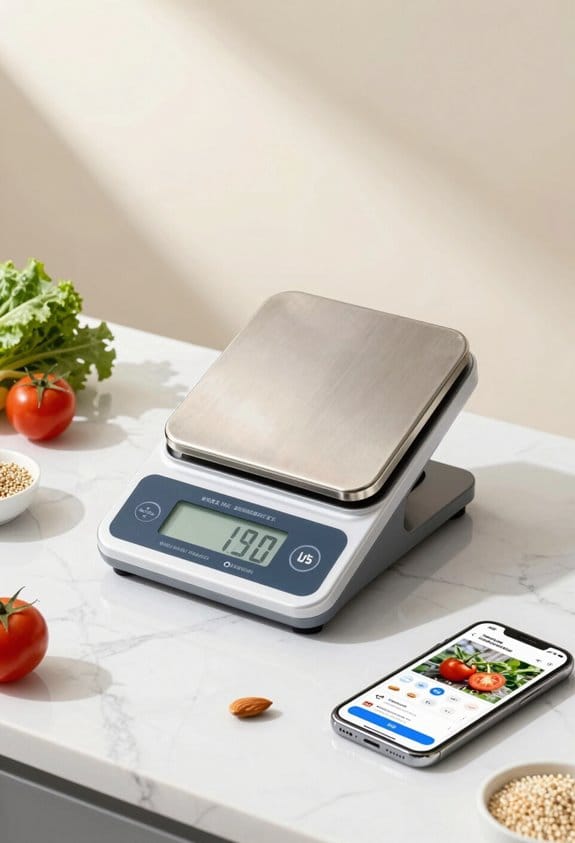
Have you ever struggled to get your portions right when counting macros? Using a food scale can definitely make this whole process a lot easier. When you weigh your food in grams, you get precise measurements that help you avoid those sneaky calorie discrepancies. Honestly, guessing portion sizes can lead to unintentional overeating, especially with those calorie-packed foods that we all love.
The tare function on most scales is super handy too. It allows you to weigh your food without having to account for the weight of the container. This little feature can save you time and mental math, making the whole experience smoother. Weighing ingredients regularly not only aids in meal prep but ensures that you’re recording your macros accurately.
You might be wondering why all of this matters. Well, keeping tabs on what you eat fosters accountability and makes it easier to hit your dietary goals, while still allowing for some flexibility in your choices. By incorporating a scale into your routine, you can feel more in control of your meals and simplify the tracking process.
In short, using a food scale takes the guesswork out of portion sizes. Many models also feature large LCD displays for easier readability during use. Have you considered adding one to your meal prep routine?
Understanding Macros: What You Need to Know
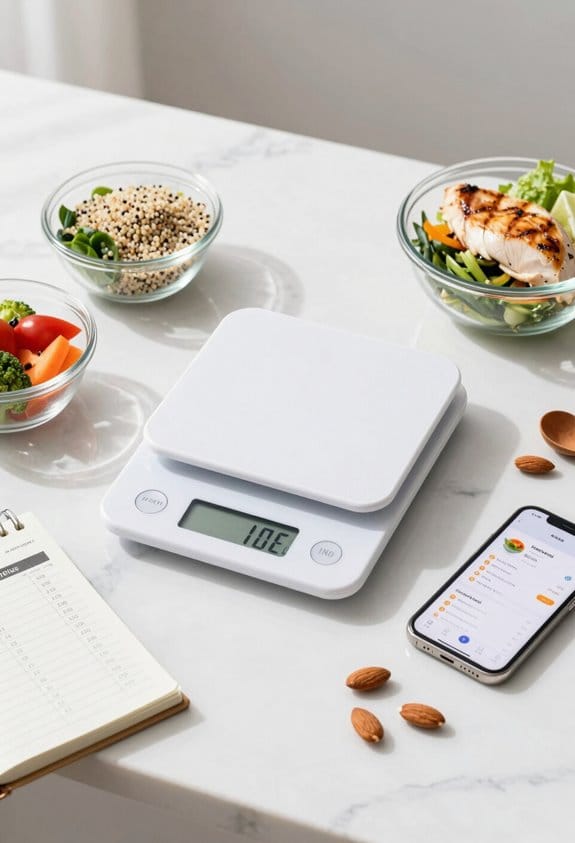
Understanding macros can feel overwhelming, but it doesn’t have to be! If you’re trying to eat healthier or hit specific fitness goals, getting a grip on macros—proteins, carbohydrates, and fats—can make a real difference in your journey.
So, what do these macronutrients actually do? For starters, protein is crucial for building and repairing muscles. Aiming for about 10-15% of your daily calories from protein can support your fitness goals. Carbohydrates, on the other hand, are your main energy source. Ideally, they should make up 45-65% of your intake, which translates to about 225-325 grams if you’re on a 2,000-calorie diet. And don’t forget about fats! These are essential for absorbing certain nutrients and should account for roughly 30% of your total calories.
Tracking your macros might sound tedious, but it’s a great way to hit your weight loss or muscle-building targets. The best part is, keeping an eye on your macronutrient intake can help you find that sweet spot for balancing energy and health. So, why does this matter? Because understanding calories and what you eat empowers you to make choices that support your lifestyle.
Using a digital food scale can tremendously improve the accuracy of your macro tracking by providing precise measurements of your food portions.
Want to simplify the process? Nutrition coaching can be a helpful option to guide you on this journey. It’s all about finding what works for you and crafting a balanced diet that fits your needs.
To wrap it up, focusing on macros can elevate your nutrition game and help reach your health goals more efficiently. What’s one small change you could make today to start tracking your macros?
Choosing the Right Food Scale for Your Needs
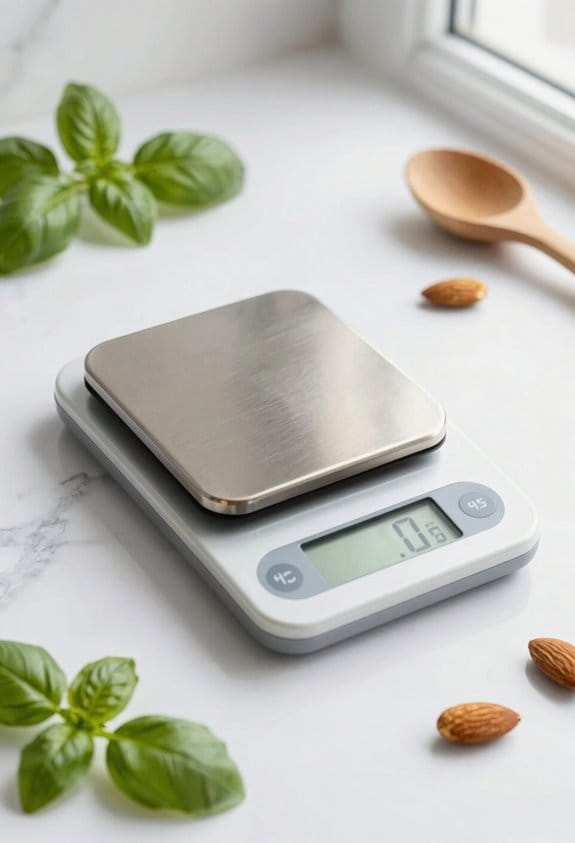
Choosing the right food scale can really help you keep track of your macros. Ever tried weighing ingredients only to realize your scale was off? It’s frustrating! So, here’s what you should focus on when picking one.
First, look for a food scale that measures in grams. This is key for precise macro tracking. And let’s be honest, a clear display is essential—you don’t want to be squinting at the numbers while cooking.
Here’s the trick: make sure the scale has a tare button. This handy feature lets you zero out your measuring cup or container, so you can get an accurate measurement of just the food itself. No more guessing!
When it comes to price, you don’t need to break the bank. Most decent scales will set you back between $10 and $20 USD. Just remember that more expensive doesn’t always mean better.
User reviews can be incredibly helpful, too. Take some time to check what others are saying about the accuracy of the scales you’re considering. You want one that shows precision without fluctuating too much.
In the end, paying attention to these details can lead you to a scale that works for you. What features do you think are most important in a food scale?
Also, it’s smart to find a scale with a backlit LCD display so you can easily read measurements even in low light.
Best Food Scales for Macro Tracking
Ever tried cooking without a food scale? It can be tricky, especially when you’re trying to track your macros. Having a reliable food scale can really streamline your cooking routine. You’ll want something that measures in grams for the most accurate readings, and trust me, that’s key when you’re weighing calorie-dense foods.
When you’re on a budget, there are some solid options out there between $10 and $20. It’s always good to check out user reviews, so you can feel confident in the scale’s accuracy. A tare function is super helpful—this little feature allows you to zero out the container’s weight, making measuring a whole lot easier.
While whole gram readings might do the trick for most, if you’re serious about your portion sizes, a scale that measures in decimals might be worth considering. The best part is, once you find the right scale, staying on track with your macro goals becomes a lot simpler. Many smart food scales also offer app connectivity that allows you to track nutritional data seamlessly.
Easy Steps to Weigh Your Food Accurately
We all know it can be a real challenge to track our macros accurately, and weighing our food is a big part of that process. So, let’s talk about how to do it right! Start by making sure your food scale is on a flat surface. It’s a simple step, but it makes a difference. Then, use the tare function: just put your container on the scale and hit “zero.” This way, you’re only weighing the food inside, not the container itself.
Now, when it comes to actual measurements, try using grams. Trust me, it gives you way more accurate results than ounces or milliliters. Plus, if you’re cooking a big recipe, weigh all your ingredients together. Once you have the total weight, just divide that by the number of servings to figure out how much each portion should be.
And don’t forget to log everything in your favorite food tracking app! It’s a good way to keep an eye on your calories per serving and ensures you’re hitting those macro goals, like getting enough protein.
Honestly, it might seem like a lot at first, but once you get into the habit, you’ll find it makes meal planning so much easier. So, what’s stopping you from giving it a try? Remember to choose a scale with the right capacity to avoid measurement errors and get the best results.
Best Apps for Logging Macros Effectively
Logging your macros can feel a bit daunting, can’t it? But there are some awesome apps out there that make tracking your macros way easier. Apps like MyFitnessPal and Cronometer have huge food databases and even built-in barcode scanners that let you log your meals in a snap. You can set custom macro goals tailored to your fitness level and daily calorie needs. Plus, these apps help with meal planning, letting you pre-log meals, so counting calories feels much less like a chore.
And here’s the thing: community support is a big deal with these apps. You can share tips, tricks, and recipes with folks who are on similar journeys, making it feel less isolating. They’re constantly updating features, which improves the whole macro counting experience—especially if you sync everything with a fitness tracker. So, how do you stay on top of your nutrition sustainably?
The best part is you can find a new way to manage your eating habits without too much stress. With the right tools, you can really make progress toward your goals. So why not give these apps a shot? What’s holding you back from tracking your macros today? Using airtight food storage containers can also simplify meal prep and help keep your portions fresh and ready to go.
Avoid These Common Mistakes in Macro Tracking
Have you ever found yourself frustrated while trying to keep track of your macros? You’re not alone! One mistake many of us make is underestimating portion sizes. When you’re trying to count calories, accurate measurements are key. That’s where a food scale can really make a difference in your journey.
Don’t forget to check the nutritional labels on packaged foods either. It’s way too easy to assume a serving size is smaller than it actually is. And let’s be real, those sneaky liquid calories? They can accumulate fast. Think about dressings, drinks, and cooking oils – they often fly under the radar, yet they can derail your macro goals.
Consistency is crucial when tracking your food. It doesn’t mean you have to be perfect, but rather work toward steady progress. So, what’s the trick to keeping on track? Make it a habit to log everything, including your snacks and even those small amounts of cooking oil you add.
Truth is, keeping track of macros isn’t just about numbers. It’s about creating a lifestyle that keeps you mindful of what you’re putting into your body. So next time you’re logging your meals, take a moment to really consider how much you’re eating. Are you being honest with yourself about portion sizes? Using manual juicers to prepare fresh citrus juices can also help you control added sugars and calories in your drinks.
Frequently Asked Questions
How Do You Start Counting Macros for Beginners?
To start counting macros, we’ll learn macro basics, set nutritional goals, and track progress. Meal planning, food journaling, and discovering macro-friendly recipes will help us control portion sizes and establish healthy habits on our fitness journey.
What Is the 50 30 20 Rule for Macros?
Picture a well-balanced plate; the 50/30/20 macro ratio offers benefits by allocating 50% carbs, 30% protein, and 20% fats. We’ll adjust percentages based on our goals, avoiding common mistakes with mindful tracking and quality food choices.
Is There a Free Macro Calculator?
Yes, there’re several free tools and online calculators available for macro tracking. With app reviews highlighting their benefits for meal planning, they promote nutrition education and calorie awareness, helping us achieve our fitness goals through flexible dieting.
How to Use a Food Scale to Count Protein?
To count protein effectively, we’ll weigh chicken breast on a food scale for accurate portion control. Understanding protein sources and reading nutrition labels helps us meet our daily intake goals while benefiting from precise nutrient tracking during meal prep.


