As an Amazon Associate, we earn from qualifying purchases. Some links on this site are affiliate links at no extra cost to you. Our recommendations are based on thorough research and editorial judgment.


Meal Prepping for Muscle Gain: How to Use Scales to Hit Protein Goals

Are you struggling to hit your protein goals while meal prepping for muscle gain? You’re not alone! Tracking protein intake accurately can make all the difference in building muscle. Start by aiming for 1.6 to 2.2 grams of protein for every kilogram of your body weight. It might sound like a lot, but breaking it down per meal can help you hit that target without stress.
You may be interested

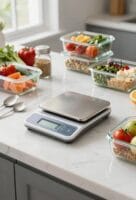

Here’s the trick: use the tare function on your food scale. This allows you to measure out raw portions accurately. Think about aiming for 20–40 grams of protein per meal. It might take a little practice, but you’ll get the hang of it.
Also, batch cooking high-protein meals can be a real lifesaver. You prepare once and have several meals ready to go.
Keep a close eye on your daily protein intake. It’s easy to lose track when you’re busy. So, why does this matter? Simply put, without the right protein levels, your muscle gains could stall. Tracking your intake ensures you provide your body with what it needs to recover and grow.
Truth is, with just a little organization and planning, you can optimize your meal prep for muscle gain. Don’t forget to mix in some variety to keep things interesting. Try adjusting your meals with different proteins like chicken, turkey, fish, or plant-based options.
In summary, focus on your protein goals and use your food scale effectively to measure portions. Remember to stay consistent and keep adjusting your meal prep as needed. What’s your go-to high-protein recipe?
Key Takeaways
- Use a food scale to weigh raw protein sources accurately, ensuring you meet your daily intake of 110–150 grams.
- Distribute protein intake across meals by aiming for 20–40 grams of protein per meal for optimal muscle gain.
- Incorporate high-protein snacks and post-workout meals, using your scale to track exact portions.
- Plan and prepare meals weekly, focusing on lean proteins, complex carbs, and accurate weighing for macro tracking.
- Regularly monitor your progress, adjusting calorie intake while using a food scale to maintain precise measurements in meal prepping.
Understanding Your Protein Needs for Muscle Gain

When it comes to gaining muscle, figuring out how much protein you need is super important. Aim for about 1.6 to 2.2 grams of protein for every kilogram you weigh. For most folks, that means you’re looking at roughly 110–150 grams a day. It’s smart to spread that intake across your meals, aiming for 20–40 grams of quality protein at each meal.
So, what should you include in your diet? Think lean meats, fish, eggs, and for plant lovers, don’t forget options like quinoa. A simple food scale can make measuring your portions a breeze—trust me, it helps keep you on track to meet those protein goals. Plus, using meal tracking apps can really help you stay accountable.
The reason this matters is that managing your protein intake directly supports muscle protein synthesis. This is key for effective muscle growth and recovery.
In the end, keeping an eye on your protein can make a big difference in your gains. Using a kitchen scale with a tare function makes portioning even easier and more precise.
Are you ready to take control of your muscle-building journey?
Master Portion Control for Effective Meal Prep

Mastering portion control can be pretty tricky when you’re trying to build muscle. Have you ever looked at a plate of food and wondered if you’re really hitting your protein goals? Using a food scale can really take the guesswork out of it. We’re talking about precise measurements for those important protein sources. It’s vital to weigh your food when it’s raw to keep tabs on your macros properly. For muscle growth, most folks aim for about 1.2 to 1.7 grams of protein per kilogram of body weight.
Now, here’s a tip: the tare function on your scale can be a lifesaver. It allows you to measure different ingredients without dirtying a bunch of bowls. You can throw everything into one bowl and just zero out the scale as you go. Plus, don’t forget about those measuring cups. They can help track carbs and fats, giving you a more rounded diet. By weighing your food regularly, you’ll gain a better sense of what a true portion looks like.
So, why does this matter? Well, it helps you meet your calorie and macronutrient targets, which is crucial when you’re going for those high-protein meals that fuel muscle gain. Keeping consistent with a food scale can truly guide you toward effective meal prep. Choosing a scale with a tare functionality can significantly streamline this process and improve accuracy.
In short, just take some time to measure your portions right. That little effort can make a big difference in your muscle-building journey. Are you ready to give it a try?
How to Choose the Right Food Scale for Your Needs?

Choosing the right food scale can feel like a challenge, especially if you’re not sure where to start. But it’s super important to get it right, mainly because even tiny differences in measurements can mess up your meal prep and macros.
Look for a scale that gives a clear display showing weight in both grams and ounces. That way, you’ll always know exactly what you’re measuring. If you tend to weigh bulkier items like fruit or larger cuts of meat, make sure the scale you choose has a good capacity to handle those. And let’s not forget the tare function; it’s essential! This feature lets you reset the weight after putting your container on the scale so you can easily measure just the food you want.
When it comes to brands, I’ve seen good things from OXO Good Grips and Amazon Basics. They’re known for being user-friendly and durable—always a plus in the kitchen. So, why does this matter? Choosing the right food scale can really make your meal prepping easier and more accurate.
Additionally, consider a scale that offers multiple unit conversion options to easily switch measurements based on your recipes.
Keep these tips in mind, and you’ll be well on your way to picking a scale that fits your needs. Are you ready to take your meal prep to the next level?
How to Weigh Your Protein Sources Like a Pro?
Weighing your protein sources like a pro is essential if you’re trying to meet your macro goals. Have you ever cooked chicken only to realize it weighs significantly less than you thought? That’s because cooking can change the weight. To avoid any surprises, always weigh your protein sources when they’re raw.
Here’s the trick: use the tare feature on your food scale. It’s super handy! Just reset the scale to zero, and you’ll get an accurate weight for the protein without any containers messing things up. If you’re measuring liquids, such as yogurt or milk, switch your scale to fluid ounces. This tiny adjustment can make a big difference in your measurements.
Also, keeping a food diary can really help you track the weights of your protein sources. This not only helps you stay aware of portion sizes but also keeps you on the path to meet your daily protein targets. You might be surprised at how quickly those numbers add up!
It’s also worth noting that regularly calibrating your food scale ensures you’re getting consistent results every time. Like any tool, it helps to keep it in good shape.
For optimal tracking and convenience, consider using a smart food scale with accurate nutritional tracking to automatically log your protein intake.
Top Meal Prep Strategies for Hitting Daily Protein Goals
When you’re trying to hit those daily protein goals, a solid meal prep plan really helps. You know those busy days when cooking feels like a chore? That’s where a little pre-planning makes all the difference. Start by grabbing a food scale to measure your portions of lean proteins, like chicken or turkey. Batch cooking these proteins allows you to save time and stay on track with your portions—no guessing needed.
Don’t forget about snacks! Incorporating high-protein options, such as Greek yogurt or protein bars, keeps your energy up throughout the day. It’s super easy to weigh them out so you know you’re hitting those targets.
Here’s the trick: always plan your post-workout meals to include 20–30 grams of protein. Using that scale again can make sure you’re not under or overdoing it. It’s these little details that really add up.
And if you want a clear picture of your progress, keep a daily log of your protein intake. Tracking not only helps with calories but also ensures you’re meeting your macro goals.
To keep your meal prep eco-friendly, consider using reusable snack bags made from food-safe materials to store your pre-portioned snacks and ingredients.
Quick Recipes for Easy High-Protein Meals
Meal prepping can feel daunting, can’t it? But if you’re looking to eat healthier without spending all day in the kitchen, quick high-protein recipes can really help you stay on track. Let’s dive into a few options that are not only easy but also super satisfying.
First up is an egg and veggie scramble. You can whip this up in less than 15 minutes, and it’s perfect for breakfast or a quick lunch. Serve it with a slice of whole grain toast, and you’re looking at about 25 grams of protein per serving. The best part is you can switch up the veggies based on what you have on hand or your mood.
Another fantastic protein source is Greek yogurt. If you layer it into a parfait with your favorite fruits and some nuts, you’ll be getting around 10 grams of protein along with some healthy fats. Honestly, it’s a great way to start your day or even as an afternoon snack.
If you prefer to have meals ready to go, try making lean beef chili with beans. This dish packs a whopping 30 grams of protein per serving, and you can easily freeze leftovers for future meals. Just imagine having a hearty bowl waiting for you on a busy day.
And when you’ve just finished a workout, you’ll want to recover with something tasty. A smoothie made with protein powder, Greek yogurt, and fruits can give you another 30 grams of protein. Throw everything in a blender, and you have a nutritious drink that tastes great.
To make sure you hit your protein goals accurately, consider using measuring cups designed for precision and easy cleanup in your meal prep routine.
How to Stay Consistent With Your Meal Prep?
How to Stay Consistent With Your Meal Prep
Ever find yourself scrambling for meals and reaching for junk food because you didn’t prep anything? You’re not alone! To make meal prep a smoother part of your week, it really helps to find a routine that works for you.
Why not pick a day that fits into your schedule for meal prep? Having a set day means you can plan when to whip up high-protein foods and how to pair them with complex carbs. It’s about getting into a rhythm. For example, you might choose Sundays to cook a big batch that takes care of the next few days.
Don’t forget to use a food scale to nail down those protein portions. It makes hitting your protein goals easier! Aim for about 1.2 to 1.7 grams of protein per kilogram of your body weight each day. It might sound like a hassle at first, but once you find your groove, it all becomes second nature.
A well-planned shopping list can be a lifesaver. Focus on lean proteins, whole grains, and lots of veggies to keep your fridge stocked with good choices. And here’s a tip: having pre-portioned snacks like Greek yogurt or nuts ready to grab can really keep hunger at bay. That way, you’re less tempted to go off track with your muscle-building diet.
Honestly, planning ahead is key. You’re less likely to stray into those unhealthy options when you know you have nutritious meals and snacks ready to go.
Using durable stainless steel mixing bowls can help you prepare and store your meals efficiently, making meal prep easier and more organized.
Tracking Progress and Adjusting Meal Prep for Muscle Gain
Tracking progress is key when you’re trying to pack on muscle. It’s not just about lifting weights; it’s also about knowing what’s happening with your body. Regular weigh-ins and checking your body composition can keep you on track with your calorie goals. If you find yourself stagnant in progress, consider bumping your daily intake by 300 to 500 calories.
So, how do you know if your protein intake is on point? Aim for about 1.6 to 2.2 grams of protein for every kilogram of your body weight. I’ve found that using a kitchen scale to measure portions really takes the guesswork out and helps ensure you hit your macros.
When it comes to your daily diet, think balanced. Try to stick to roughly 40–45% carbs, 30% protein, and 25–30% fats. This portioning is pretty standard but still key for muscle gain. You might ask, “How do I know if that’s working for me?” Keeping an eye on your energy levels and workout results can cue you in on whether you need to tweak your meal prep.
Remember, meal prep isn’t a one-size-fits-all deal. You’re in charge of adjusting your plan based on your results and how you feel. Stay flexible with your approach, and you’ll find what works best for gaining muscle effectively.
In short, keep tracking your progress and adjust your meal prep as needed. Using a reliable digital kitchen scale can help you easily switch between units like grams and ounces for precise measurements. So, what’s your next step in this muscle-building journey?
Frequently Asked Questions
How to Use a Food Scale to Count Protein?
Using a food scale’s precision is like wielding a magic wand for protein tracking. We can master portion sizing, log nutrients accurately, and strategize meals, ensuring each bite brims with caloric density and muscle-building goodness.
How to Calculate Protein Goal for Muscle Gain?
To calculate our protein goal for muscle gain, we multiply our body weight by 1.6 to 2.2 grams. This guarantees we meet daily requirements for ideal muscle growth while maintaining macronutrient balance based on activity level and energy needs.
What Is the 3-3-3 Rule for Weight Loss?
The 3-3-3 rule’s like a symphony for weight loss. We’re harmonizing three servings of fruits and veggies, lean proteins, and healthy fats, ensuring our caloric deficit while mastering portion control, meal timing, and hydration strategies for success.
How to Properly Meal Prep for Muscle Gain?
To properly meal prep for muscle gain, we should focus on balanced meal types, adjust portion sizes, utilize batch cooking, explore ingredient swaps, and track macros while ensuring nutrient density and flavor balancing for enjoyable meals.


