As an Amazon Associate, we earn from qualifying purchases. Some links on this site are affiliate links at no extra cost to you. Our recommendations are based on thorough research and editorial judgment.


The Difference Between Liquid Ounces and Weight Ounces Explained

When you’re in the kitchen, have you ever wondered why your measurements sometimes lead to recipe mishaps? It’s a bit tricky because liquid ounces (fl oz) measure volume, while weight ounces (oz) measure mass. For instance, 8 fluid ounces of water equals about 8 weight ounces.
You may be interested

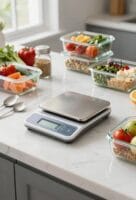

But don’t be fooled—ingredients like honey are denser; 8 fluid ounces of honey will actually weigh around 12 ounces. Understanding this difference can save you a lot of headaches.
Here’s the trick: if you’re working with dry goods or anything that might be dense, it’s a good idea to weigh it out. A kitchen scale can be an absolute lifesaver for precision. You might think measuring cups are enough, but the reality is that they can lead to inconsistent results.
With a scale, you’ll know exactly how much you’re using and can adjust recipes more confidently.
So, why does this matter? Think about the last time a dish didn’t turn out like you hoped. Maybe you overestimated or underestimated an ingredient because you didn’t know its weight. Paying attention to these details is key to becoming a better cook.
The best part is that it doesn’t have to be complicated. Just remember that liquids and solids are different and treat them accordingly during your cooking adventures. A little awareness goes a long way.
In short, understanding the difference between liquid ounces and weight ounces can really boost your kitchen game. Are you ready to tackle those recipes with newfound confidence?
Key Takeaways
- Fluid ounces measure the volume of liquids, while weight ounces quantify the mass of solids or thicker liquids.
- One U.S. fluid ounce equals approximately 29.57 milliliters, contrasting with one weight ounce at roughly 28.35 grams.
- Mixing these measurements can lead to recipe failures, as different ingredients have varying densities affecting weight per volume.
- For accuracy, a kitchen scale is recommended for weight measurements, especially with dense ingredients like honey.
- Use appropriate measuring tools: liquid measuring cups for liquids and scoop-and-level dry measuring cups for solids to ensure precise measurements.
The Fundamental Difference Between Ounces and Fluid Ounces
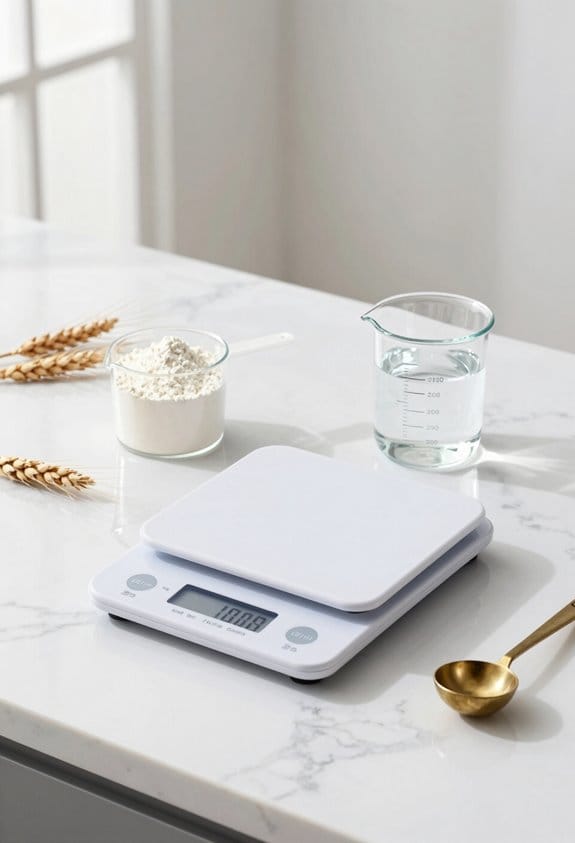
Have you ever found yourself scratching your head over ounces and fluid ounces? It can be confusing, but understanding the difference is key. Fluid ounces (fl oz) measure the volume of liquids, while weight ounces (oz) measure the mass of solids or thick liquids. For instance, one U.S. fluid ounce is about 29.57 milliliters, whereas one weight ounce comes down to roughly 28.35 grams.
This distinction really matters when you’re whipping up a recipe. Let’s say a recipe calls for 8 fluid ounces of water; you can also count that as about 8 ounces by weight. Pretty straightforward, right? But things get a bit tricky with other ingredients. For example, if you’re measuring flour, 1 cup weighs nearly 4.5 ounces by weight. So, knowing how to measure these accurately can really help you get those delicious results every time!
You might be wondering, why does it matter so much? Well, precise measurements can make or break your dish, especially in baking. Truth is, a little confusion over these measurements can lead to cookies that don’t rise or cakes that are too dense.
To avoid those mishaps, here’s the trick: when following a recipe, always pay attention to whether it specifies fluid ounces or weight ounces. Double-checking your measurements can save you from a culinary disaster! Additionally, cooking appliances with fuzzy logic technology can help manage moisture and temperature, ensuring better results when preparing various ingredients.
Why Accurate Measurement of Ounces and Fluid Ounces Matters in Cooking

Have you ever followed a recipe only to find that your dish didn’t turn out as expected? Accurate measurement of ounces and fluid ounces is crucial in cooking. When you mix up these measurements, it can lead to some pretty disappointing results. For instance, did you know that 8 fluid ounces of honey actually weighs around 12 ounces? That’s because honey is denser than water, which can mess with your recipe.
When it comes to baking, every detail counts. A cup of flour might weigh around 4.5 ounces, while a cup of water is a full 8 ounces. So, what’s the best way to tackle this? Aim for weight measurements, especially for solid ingredients. This approach ensures you’re consistent every time you step into the kitchen. And consistency is key; it helps you avoid under- or over-portioning your ingredients, which can make or break your dish.
Try this: if a recipe specifies an ingredient by weight, always weigh it. Tools like a kitchen scale can be a great investment. The best part is that it takes a lot of the guesswork out of cooking. Choosing a scale with tare functionality simplifies weighing multiple ingredients without manual calculations, streamlining your cooking process.
Understanding How Density Affects Weight and Volume

Ever tried measuring out ingredients and found yourself confused about the weight and volume? You’re not alone. Understanding how density plays into this can make your cooking experience so much smoother.
When it comes to measuring, keep in mind that not all ingredients are created equal. For instance, a cup of water and a cup of honey might occupy the same space in your measuring cup, but they weigh vastly different amounts. Honey comes in at about 12 ounces, while water is just 8 ounces. Why’s that? It’s all about density; honey is denser than water.
Now, swapping between fluid ounces and weight ounces can be tricky. Here’s the trick: one fluid ounce of water roughly weighs one ounce, but that doesn’t apply to everything. So, when you’re pouring yourself a cup of water, you’re looking at 8 ounces. But if you switch to flour, that same cup weighs in at around 4.5 ounces. Keeping these variations in mind can really help you nail those recipes every time.
So, why does this matter? Being aware of these differences can lead to more reliable results in the kitchen. It’s all about precision, right?
In the end, just remember: density affects how much your ingredients weigh. Using precise measuring spoons can further improve accuracy when dealing with ingredient variations. Next time you’re measuring for a recipe, take a moment to think about what you’re working with. It might just save you from a cooking disaster! What other ingredient mysteries are you curious about?
Let’s Break It Down: Converting Fluid Ounces to Weight
Have you ever found yourself stuck trying to convert fluid ounces to weight? It can definitely feel a bit tricky, but there’s a way to make it easier. Fluid ounces measure volume while ounces measure weight, so you’ve got to take the density of the substance into account.
For example, did you know that 12 fluid ounces of water actually weighs about 12.5 ounces? That’s pretty straightforward! But honey, which is denser, tips the scales at around 16 ounces for the same volume. So, when you’re converting fluid ounces, just multiply the fluid ounces by the density of what you’re measuring.
Here’s the trick: for water, you can think of it simply as 1 fluid ounce equaling 1 ounce of weight. But for other ingredients, especially if they’re on the bulkier side, using a kitchen scale can really help ensure you’re getting an accurate measurement. Liquid measuring cups can sometimes throw things off a bit. For the best results in cooking, using an accurate thermometer ensures food safety and proper cooking alongside precise measurements.
Step-by-Step Guide to Measuring Liquids and Solids
When you’re in the kitchen, measuring liquids and solids correctly can feel like a daunting task. You ever find yourself wondering why your favorite recipe didn’t turn out quite right? A lot of it comes down to how well you measure your ingredients.
For liquids, you’ve got to grab a liquid measuring cup. Place it on a flat surface and bend down to check the measurement at eye level. Trust me, it makes a difference. When it comes to dry ingredients, the technique changes a bit. Use a spoon to gently scoop the ingredient into a dry measuring cup, then level it off with a spatula. And here’s a key tip: don’t pack it down unless the recipe specifically calls for it.
If you’re looking for that extra touch of precision—especially in baking—a kitchen scale is really your best friend. It’s amazing how much more accurate you’ll be weighing out ingredients than measuring by volume. Just keep in mind, liquids are usually measured in fluid ounces, while solids are measured by weight ounces. Why does this matter? Because getting these details right can lead to the delicious results you want.
Digital food scales often offer multiple measurement units options, helping you switch easily between grams, ounces, and milliliters for the most accurate measurements.
In the end, measuring might seem like a hassle, but the effort’s worth it for tasty meals and baked goods. So next time you’re about to dive into a new recipe, take a moment to measure properly. What’s your go-to measuring tip?
Top 5 Common Mistakes When Measuring Ounces and Fluid Ounces
Have you ever been elbow-deep in a recipe only to find that your measurements are way off? It’s frustrating, isn’t it? One of the biggest culprits is confusing weight ounces with fluid ounces. This little mix-up can throw off your ingredient amounts, and trust me, it can make or break a dish. It’s important to remember that different ingredients weigh different amounts! For example, 1 cup of flour weighs about 4.5 ounces, while honey can tip the scales at around 12 ounces.
Another common misstep is neglecting the density of liquids versus solids. You might think that 8 fluid ounces of water weighs 8 ounces, and you’d be right. But when it comes to milk, it’s about 8.6 ounces. So, why does this matter? Using the right measuring cups can really make a difference; always opt for liquid measuring cups for liquids and dry measuring cups for solid ingredients.
Lastly, leveling off dry ingredients is a must. Just scoop and toss, and you could end up with a heaping mess that throws off your ratios. This simple step gets you precise measurements and can really elevate your baking game.
To recap, remember to distinguish between weight and fluid measurements, pay attention to ingredient density, and use the right measuring tools. It’s the little things that can lead to kitchen victories! So, what will you measure accurately in your next cooking adventure? Also, choosing measuring cups made from high borosilicate glass ensures durability and precision with both hot and cold ingredients.
Tips for Success: Achieving Consistency in Your Recipes
Have you ever stood in the kitchen, ready to whip up a delicious dish only to find that something just didn’t come out right? You’re not alone. One of the biggest reasons recipes fail is due to inaccurate measurements.
To nail those recipes every time, start by measuring your ingredients correctly. For dry goods, grab a kitchen scale. Weighing ingredients in ounces can make a huge difference in baking, where precision is key. When it comes to wet ingredients, a glass measuring cup is your best friend — fill it to the fluid ounce line and you’re good to go.
Here’s a quick tip: use dry measuring cups for solids and liquid measuring cups for your liquids. It’s surprising how many people overlook this simple yet effective rule. Plus, getting to know the density of common ingredients can help when converting between fluid and weight measurements. So, knowing whether you need a cup of flour weighed or measured can save you from a baking disaster.
Sticking to the measurements in a recipe is crucial. A sprinkle too much or a dash too little can mean the difference between bliss and regret in the kitchen. Here’s the trick: always double-check your ingredient amounts and remember that precision is your friend in cooking.
For even better results in mixing liquids and powders, consider tools with specialized mixing technology to ensure uniform consistency in your recipes.
Additional Resources for Accurate Ingredient Measurement
Ever tried making a recipe and ended up with too much or too little of an ingredient? It can really throw off your whole dish. The truth is, accurate ingredient measurement makes a big difference in cooking.
When you’re working with liquids, liquid measuring cups are the way to go. They’re designed to help you get those fluid ounces just right. On the other hand, for dry ingredients, reach for a kitchen scale that measures in ounces by weight. It’s so much easier to get it spot on. Did you know that one cup of honey weighs about 12 ounces, while one cup of water is only 8 ounces? That just goes to show how weight and fluid ounces don’t always match up, which can lead to some confusion if you’re not careful.
So, what’s a home cook to do? Online conversion tools and charts can be lifesavers when you need to adjust measurements. It’s also a good idea to check food and nutrition resources, like USDA guidelines, for standardized info on ingredient measurements. Professional cookbooks usually recommend weight measurements for dry ingredients, and for good reason—it’s much more reliable!
Honestly, the more precise you are with your measurements, the better your cooking will turn out. It might take a little extra time to measure accurately, but you’ll notice the improvement in your dishes. So, why not give it a shot? You might just find that cooking becomes a lot easier when you get those measurements right!
Using dedicated dry and liquid measuring cups ensures accuracy by matching the tool to the type of ingredient you are measuring.
Frequently Asked Questions
Are Liquid Ounces the Same as Weight Ounces?
No, liquid ounces aren’t the same as weight ounces. Understanding conversion factors, liquid density, and proper measuring techniques is vital for recipe accuracy, especially with nutrition labeling and in cooking measurements. Let’s make certain we measure correctly!
Does 1 Fl Oz of Water Weigh 1 Oz?
Yes, 1 fl oz of water does weigh 1 oz due to its fluid density comparison. When cooking, we need measurement conversions; understanding liquid vs dry helps guarantee accurate kitchen scale usage and weight equivalence clarification.
Does 16 Fl Oz Weigh the Same as 16 Oz?
No, 16 fl oz doesn’t always equal 16 oz. Using weight conversion methods, we can see that fluid density variations affect measurements. In our cooking measurements clarified, knowing this helps us use ounces in recipes more accurately.
Is 8 Fl Oz the Same as 8 Oz Reddit?
No, 8 fl oz isn’t the same as 8 oz. For measurement accuracy in cooking, we should remember conversion factors differ based on ingredients. Let’s use kitchen tips to make precise recipe adjustments.


