As an Amazon Associate, we earn from qualifying purchases. Some links on this site are affiliate links at no extra cost to you. Our recommendations are based on thorough research and editorial judgment.

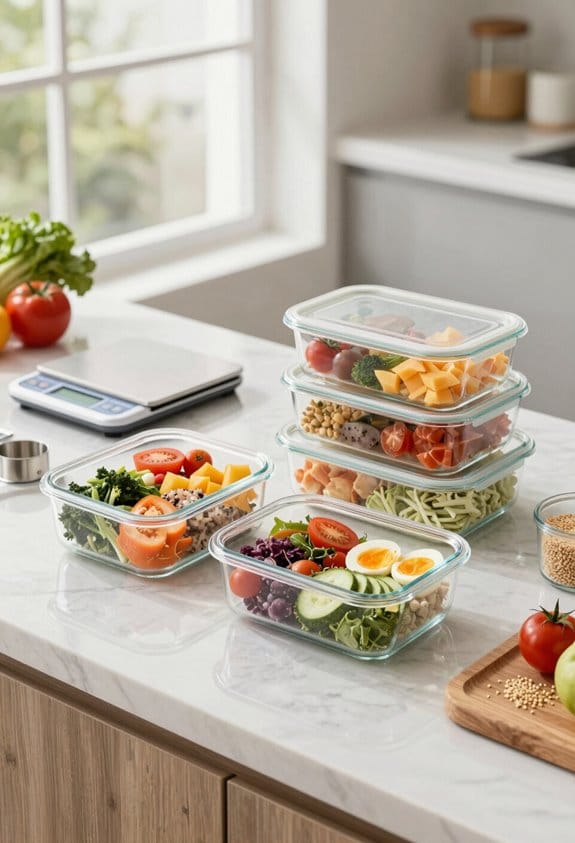
Is Microwaving Plastic Containers Safe? Decoding Recycling Codes and Symbols

Have you ever hit the microwave button, only to worry about whether your plastic container is safe? That’s a common concern, especially when you see so many different types of plastic out there. Microwaving plastic can be okay if you know what to look for.
You may be interested


First off, keep an eye out for the microwave-safe symbol, which looks like three wavy lines. That’s a good indicator that the container can handle the heat without releasing harmful chemicals. When you’re checking it out, don’t forget to look at the recycling code. Generally speaking, #5 (PP) containers are usually safe for microwaving, whereas #1 (PET) and #3 (PVC) can be problematic.
Take a moment to inspect for cracks or damage, since that can make your container leaky and unsafe.
Here’s the trick: if you’re looking for something completely worry-free, consider switching to glass or ceramic. These materials are often a better choice and won’t leach harmful substances into your food.
So, why does this matter? Because no one wants to take a risk with their health when heating up leftovers!
In summary, microwaving plastic can be done safely, but it’s all about choosing the right containers. Just be mindful of the symbols and codes, and always check for damage.
When in doubt, glass or ceramic is a solid bet. Have you ever thought about what materials you use in your kitchen?
Key Takeaways
- Look for the microwave-safe symbol (three wavy lines) to ensure plastic containers are safe for use in microwaves.
- Recycling code #5 (PP) is generally safe for reheating food, while codes #1 (PET) and #3 (PVC) should be avoided.
- Non-microwave-safe plastics can leach harmful chemicals, particularly when exposed to heat, posing risks to health.
- Glass and ceramic containers are recommended for microwaving, as they maintain safety and do not release toxins.
- Regularly inspect plastic containers for cracks or warping, and discard those that are damaged to prevent food safety hazards.
Understanding Microwave Safety Symbols for Plastics
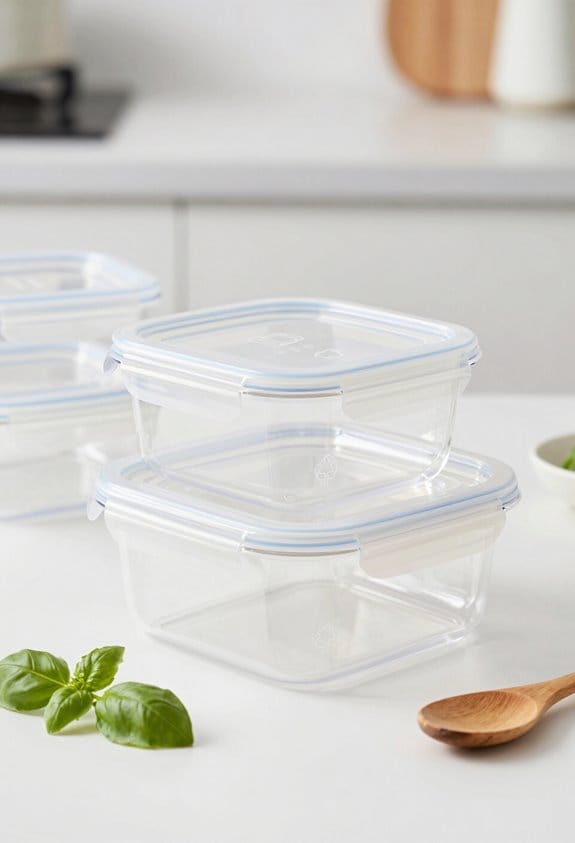
When it comes to using plastic containers in the microwave, you might be wondering which ones are safe. It can be confusing, right? The plastic world is filled with symbols, and some can lead you astray if you’re not paying attention.
Look for the microwave-safe symbol, which typically appears as three wavy lines. This means that the container has been tested and is good to go for heating your food without melting or releasing any nasty chemicals. Just remember that not all plastics are created equal. For example, containers with recycling code #5 (PP) generally play nice with the microwave, while those sporting #1 (PET) or #3 (PVC) might not be the best choice. Why take the risk?
Always check for any cracks or damage in your plastic containers too; they can be a warning sign. And don’t forget to look for the BPA-Free label! It’s a little assurance that you’re taking a step towards safer heating and enjoying your meals stress-free. Additionally, just as choosing the right materials is important for microwaving, monitoring accurate temperature with dual probes can significantly improve cooking safety and results.
What Plastic Recycling Codes Indicate
Are you ever confused by those tiny numbers on your plastic containers? You’re not alone! Understanding plastic recycling codes can actually help you make smarter choices when it comes to what you use for food storage.
The Recycling Identification Code is something to pay attention to. You’ll see numbers ranging from 1 to 7, and each one refers to different types of plastic. For instance, plastic marked with a #1, known as PET, often pops up in beverage bottles. But here’s the catch—it’s not the best option for food storage. On the flip side, #2, or HDPE, is more durable and widely accepted in recycling programs, making it a better choice.
Now, if you’re microwaving leftovers, you’ll want to look for #5, which stands for PP plastic. It’s safe for reheating food, so you can warm up those pasta dishes without worry. But let’s not ignore the plastics that need a bit more caution: #3 (PVC), #6 (PS), and many types labeled #7 can be a bit concerning when it comes to potential chemical leaching, especially when heated. So, why does this matter? It means you could be putting your health at risk just by selecting the wrong container.
Before you toss something in your cart, take a moment to check the symbols on the plastic. It’s a simple step but can make a big difference in keeping your food safe. Honestly, it’s worth the extra few seconds to avoid any nasty surprises later.
When choosing containers for reheating, also consider those with non-stick ceramic coatings, which can simplify cleanup and reduce residue buildup.
Identifying Microwave-Safe Containers: How to Make Informed Choices
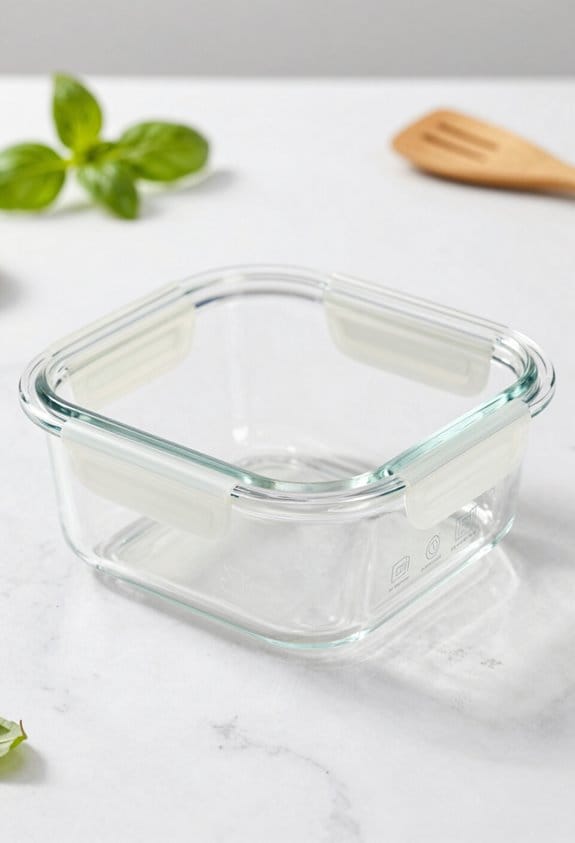
Have you ever stood in front of your microwave, wondering if the container you’re about to use is safe? You’re not alone; it can definitely be confusing! To save yourself some worry, keep an eye out for the symbol with three wavy lines or a “microwave safe” label. That’s your green light.
Now, when it comes to materials, containers made of polypropylene (look for recycling code #5) are usually safe and won’t leach any nasty chemicals into your food. On the flip side, steer clear of plastics with recycling codes #1, #3, or #6. Those can release toxins when heated, and nobody wants that in their dinner!
Do a quick check for any signs of wear; if a container looks warped or discolored, it’s probably time to toss it out. Damaged plastics can be unsafe, and you don’t want to risk it. For a surefire option, I’d recommend glass or ceramic containers, especially if you can’t find the microwave-safe label on your plastic. They often provide the safest choice for reheating meals without any worries. Glass containers, especially those made from borosilicate glass, offer excellent heat resistance and are microwave safe when lids are removed during heating.
Plastics to Avoid When Microwaving
Have you ever wondered which plastics you should keep out of the microwave? It’s easy to grab any container when you’re in a rush, but some can really harm your health. Here’s what you need to know.
First off, stay clear of plastics with recycling codes #1 (PET), #3 (PVC), and #6 (PS). They’re just not safe for microwaving. PVC can release harmful chemicals when it’s heated. PS can leak styrene, which is a known carcinogen. And don’t be fooled by PET—it’s designed for single use and tends to break down when heated, making it a potential risk too. So, if you’re sticking dinner in the microwave, make sure your containers are marked microwave-safe.
Sometimes, people overlook old containers hanging around their kitchen. Truth is, worn out containers are like ticking time bombs for chemicals. Have you checked your Tupperware lately? If it’s scratched or stained, it’s probably time for a replacement. The best part is, by swapping them out for newer, safer options, you’re reducing your exposure to harmful substances.
Not all of us think about this stuff while microwaving our meals, but it’s crucial for your health. So, when you’re in doubt, always reach for containers labeled as microwave-safe. Your health matters and you deserve to feel safe while cooking.
For the safest reheating, consider containers with built-in vents that allow steam to escape without removing the lid, reducing the risk of warping or chemical release.
What Happens When You Use Non-Microwave-Safe Plastics?
Ever thought about what happens when you pop your food in the microwave using those cheap plastic containers? It’s a bit scarier than you might think. When you heat food in non-microwave-safe plastics, you could be releasing harmful chemicals right into your meals.
Certain plastics, especially those with recycling codes like #1 (PET), #3 (PVC), and #6 (PS), can leach nasty toxins when heated. Substances like BPA and phthalates can mingle with your food, and that’s not something you want to take lightly. Honestly, when you hear that nearly 70% of plastics can act like estrogen, and that number spikes to 95% when heated in a microwave, it’s enough to make you rethink your kitchen habits. This is especially concerning for kids and pregnant women, who are more vulnerable to hormone disruptors.
And there’s more. Those non-microwave-safe containers aren’t just risky because of what they can leach. They can also warp or melt, which compromises their ability to hold food safely. If you’re going to cook or reheat something, it’s important to consider what it’s in.
For best results and safety, consider using containers made from corrosion-resistant materials that ensure durability and maintain quality over time.
So, what should you do? Stick to glass or microwave-safe containers whenever possible. Check that recycling code on the bottom of your plastic containers; you want to stay away from the ones mentioned above. By making these small changes, you can help reduce your exposure to harmful substances right in your kitchen.
Essential Tips for Safely Microwaving Plastic Containers
Have you ever microwaved food in a plastic container and wondered if it was safe? It’s a real concern for many of us! To microwave plastic containers without a hitch, there are some crucial details to consider.
First things first: always check for that microwave-safe symbol. You’ll usually spot it with wavy lines, which is a good sign. Next, take a look at the recycling codes on the bottom of the container. Generally, #5 (PP) is safe to use, but steer clear of #1 (PET), #3 (PVC), and #6 (PS) if you can.
It’s also super important to inspect your containers. If you see any cracks or warping, it’s best to toss them out. Damaged containers can leach harmful chemicals when heated, and no one wants that! And hey, if you’re ever in doubt about a plastic container, grabbing a glass or ceramic option is a smart move since they’re typically microwave-safe.
Remember to always follow the manufacturer’s guidelines. It might seem like a hassle, but ensuring your food safety starts with picking the right materials for microwave cooking. So, what will you microwave next time?
Also, choosing containers made from food-grade, BPA-free silicone can enhance safety due to their heat resistance and non-toxic properties.
What Safe Alternatives Exist for Microwaving?
Have you ever thought about what to use when microwaving food safely? It can be a bit tricky, especially with all the warnings about plastic containers. So, let’s break it down together.
First off, glass and ceramic containers are your friends. They don’t leach harmful chemicals into your food like some plastics do. Look for those little microwave-safe symbols, which usually mean you’re good to go.
Another option you might consider is polypropylene (#5) containers. They’re sturdy and safe for reheating meals without worrying too much about harmful substances.
If you’re into eco-friendly options, Harvest Fiber containers are a solid choice. They’re not only microwavable but also free from PFAS, which is a win for both your food and the environment.
Here’s something else: silicone containers are pretty neat too. They bend and can handle high temperatures without giving off toxins. Make sure to check for those microwave-safe symbols, though. If you’re unsure about a container, going with glass or ceramic is usually the safest route.
Additionally, ceramic bowls are ideal because they are typically microwave and dishwasher safe, durable, and free from harmful chemicals, making them a reliable choice for safe reheating.
Frequently Asked Questions
What Are the Symbols for Microwave Safe Plastic Containers?
Like a lighthouse guiding our way, we should look for three wavy lines or a microwave-safe label on plastic containers. These symbols assure us of safety, helping us avoid harmful chemicals and embrace better food safety practices.
What Plastic Code Is Microwave Safe?
We’ve found that polypropylene (#5) is a microwave-safe plastic type. Following microwave safety tips and understanding harmful chemicals are essential. Let’s explore microwaveable materials for safe food storage and discuss better alternative containers for our health.
How Do I Know if a Plastic Container Is Microwave Safe?
To guarantee safety, we should search for the microwave-safe symbol on containers. Comparing plastic types, being aware of harmful chemicals, and considering durable, eco-friendly options help us navigate reheating best practices and food safety concerns.
Can You Microwave Plastic With No Symbol?
We shouldn’t microwave plastic without a symbol due to overheating risks and potential chemical leaching. Instead, let’s follow food safety guidelines by using safer container types like glass or ceramic for better durability and health.


