As an Amazon Associate, we earn from qualifying purchases. Some links on this site are affiliate links at no extra cost to you. Our recommendations are based on thorough research and editorial judgment.


How to Properly Cool Down Hot Food Before Putting It in the Fridge

How to Properly Cool Down Hot Food Before Putting It in the Fridge
You may be interested


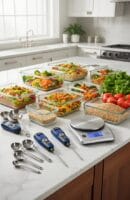
Want to avoid dealing with soggy leftovers or food going bad because it wasn’t cooled correctly? One of the best ways to cool hot food safely is to spread it out in shallow containers, making sure the food isn’t thicker than 2 inches. This helps it cool down faster and keeps you safe from the risk of foodborne illness.
Try this: Aim to bring the temperature down to 70°F within two hours. If you’re in a hurry, an ice water bath can work wonders to speed up the process. Don’t forget to stir your food occasionally to help that heat escape faster.
And leave those containers loosely covered—this way, steam can escape and won’t end up making things soggy.
So, why does this matter? Well, placing a big pot straight into the fridge can be a recipe for disaster since it takes way too long to cool down. Instead, break your leftovers into manageable portions. It might feel like extra work at the time, but in the long run, your food will thank you for being so thoughtful.
Wrapping things up, cooling hot food properly is key to safe storage and better taste later on. Have you ever had issues with leftovers going bad before? Give these tips a try—you might just find they make a big difference in your kitchen!
Key Takeaways
- Spread cooked food in shallow containers, no more than 2 inches thick, for faster cooling.
- Aim to cool food to 70°F within two hours to prevent bacterial growth.
- Create an ice water bath for quick cooling, ensuring containers do not touch the water.
- Stir hot food occasionally to help dissipate heat more quickly.
- Loosely cover food during cooling to allow steam escape and prevent moisture buildup.
How to Properly Cool Hot Food for Safe Storage
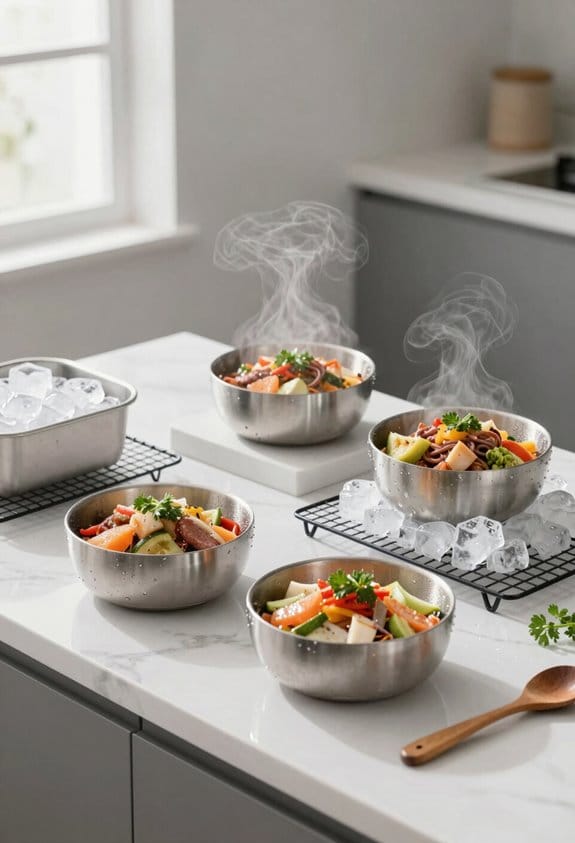
When you’re dealing with hot food and planning to store it safely, the way you cool it matters a lot. Have you ever thought about how fast food cools down? If it doesn’t cool quickly enough, you could be setting yourself up for unwanted bacteria growth.
Here’s the trick: spread your cooked food into shallow containers or wide pans. This gives it more surface area, which helps it cool down faster. Aim to reach a temperature of 21 °C (70 °F) within two hours for the safest results.
Another useful tip is to try an ice water bath. Just make sure your food container doesn’t touch the water, or you’ll end up with a watery mess. Stirring the food now and then will also help dissipate heat quicker. While the food’s cooling, loosely covering it is a good idea; that way, steam can escape without trapping moisture inside.
Using equipment with heat preservation functions can help maintain safe food temperatures once cooling is complete.
What Are Quick Techniques for Cooling Hot Dishes?
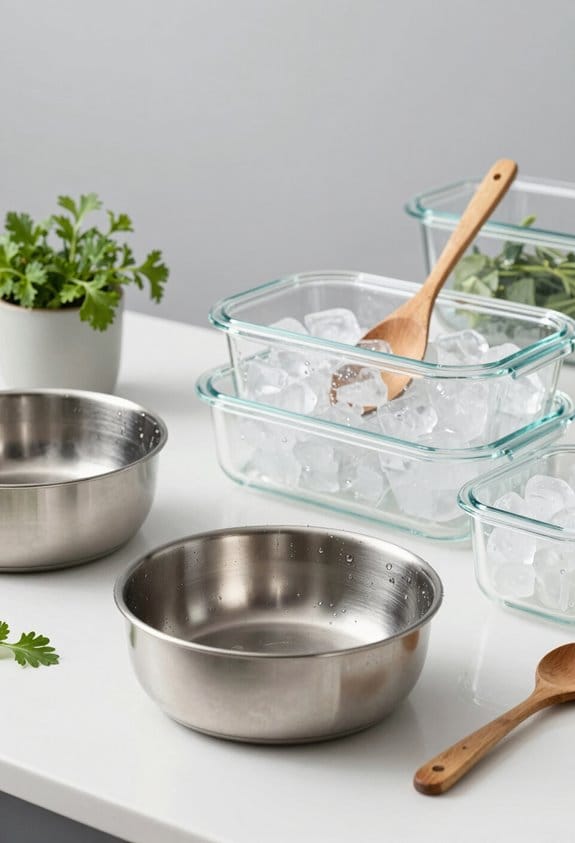
Cooling down hot dishes quickly is super important for food safety, but it can feel like a challenge sometimes, right? Here are some easy techniques that can make a big difference.
First off, you should consider dividing any large portions into smaller, shallow containers. This increases the surface area, which helps the food cool down much faster. It’s a simple trick that pays off big time!
Then, why not try creating an ice water bath? Just place your containers in a bowl or sink filled with ice water. Stirring a bit every now and then will help, too. Honestly, it speeds things up more than you’d expect.
If you have the time, spreading the food out in wide, shallow pans not only helps with cooling but also allows for better air circulation. Just remember that thicker dishes should stay no more than 2 inches deep if you want them to cool effectively.
Finally, positioning a fan nearby can really help circulate the air and boost the cooling process even more. Seriously, it’s like having a mini tornado in your kitchen!
Using containers with silicone sealing rings can help maintain freshness once the food is cooled and stored properly.
Why Is Proper Cooling Crucial for Food Safety?
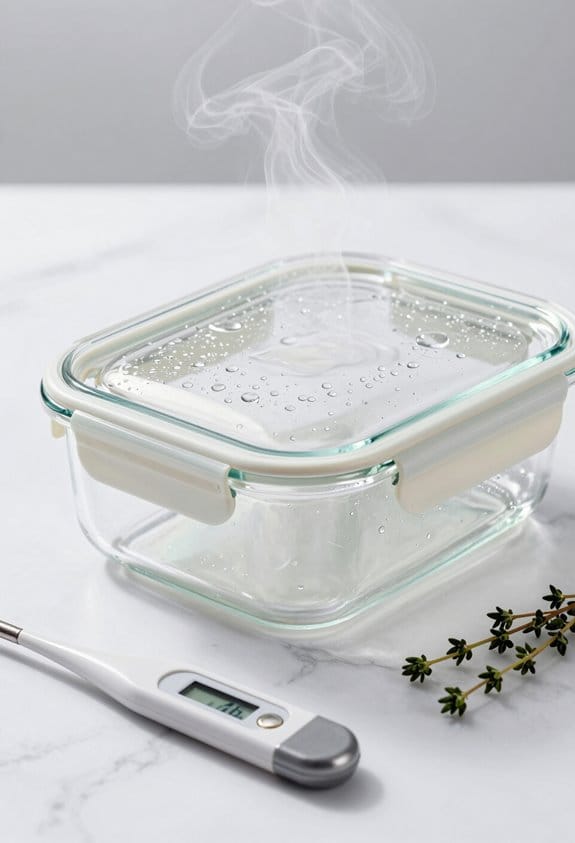
Have you ever left a pot of spaghetti on the counter after dinner, thinking it’d be fine for a bit? You’re not alone, but that’s a quick way to risk food safety. Proper cooling is crucial for keeping our meals safe and delicious. If we don’t cool our cooked foods correctly, we open the door for harmful bacteria to thrive in the temperature danger zone, which sits between 41°F and 140°F.
So, what should you aim for? Ideally, food should cool down to 70°F within two hours. Leaving meals at room temperature longer than that can lead to spoilage and increase the risk of foodborne illnesses. Honestly, nobody wants to find spoiled food that smells funky or looks unappetizing.
Here’s the trick: keep an eye on your cooling process. Using methods like ice baths can help cool food faster and keep its quality intact. For instance, if you’ve got soups or sauces, submerging the pot in a sink filled with ice water can do wonders. You’ll find that it not only speeds up the cooling process but also helps maintain great flavor and texture.
Truth is, you don’t want to take cooling lightly. It’s the backbone of food safety, and no one wants to spoil a great meal or risk their health over a few hours of room temperature. So, keep these tips in mind, and you’ll be on your way to enjoying safe and tasty meals! What methods do you use to cool your food? Using airtight containers after cooling can help preserve freshness and prevent contamination during storage.
What Is the ‘Danger Zone’ for Hot Foods?
Have you ever found yourself wondering why some folks are so strict about food safety? The “danger zone” is a big deal when it comes to hot foods, and it sits between 40°F and 140°F. This range is where bacteria can party like there’s no tomorrow, especially at those toasty temps around 90°F to 110°F. If hot food hangs out in this danger zone for more than two hours, it’s a recipe for foodborne illness.
So, how can you keep your food safe? Try to cool hot dishes below 140°F in the first two hours before tossing them in the fridge. Here’s the trick: use shallow containers and break down large portions. Doing this allows cool air to get to your food faster, which is key for nipping bacterial growth in the bud.
Honestly, staying on top of this can protect you and your family from some nasty health risks. Cooking can be fun, but food safety doesn’t have to be stressful. Just keep the danger zone in mind, and you’ll be on track! What’s your go-to method for cooling leftovers? Happy cooking!
Also, using airtight containers can help maintain the freshness and safety of your cooled food when stored in the fridge.
What Mistakes Should You Avoid When Putting Hot Food in the Fridge?
Ever put a steaming pot of food straight into the fridge, hoping it’ll cool down quickly? Yeah, we’ve all been there. But doing so can actually cause some serious issues, like food spoilage and unwanted bacteria growth. Here are some key mistakes to watch out for the next time you’re stashing away leftovers.
First off, let’s talk about those big pots. If you toss a large, hot pot right into your fridge, it can take ages to cool down properly. This isn’t just a minor inconvenience; it sets the stage for bacteria to thrive. Instead of making this mistake, try transferring smaller portions into shallow containers. This allows everything to cool down much faster.
And don’t forget about the steam! If you seal those containers too tightly, you’ll trap all that steam inside. It’s best to leave a corner of the lid slightly open to let that moisture escape. Otherwise, you could find yourself with soggy leftovers, and no one wants that.
Here’s the trick: keep your food about 2 inches thick. This thickness helps it cool quicker, which is crucial for safety. The general rule of thumb is to get that hot food down to around 21 °C (70 °F) within two hours. It might sound strict, but this simple guideline can save you from foodborne illnesses.
Also, be mindful of how much you cram into your fridge. Overstuffing can restrict airflow, which is important for even cooling. There’s a good chance that the back of your fridge cools faster than the front, so give your food some breathing room!
To ensure your fridge is maintaining the proper temperature for food safety, it’s a good idea to monitor it regularly with a refrigerator thermometer.
How to Safely Refrigerate Cooled Food?
Have you ever wondered why some of your leftovers don’t taste quite right when you finally dig in a few days later? Chances are, it’s all about how you cooled and refrigerated your food. After you’ve safely cooled down your hot meal, there are a few simple steps to keep in mind for storing it just right.
Aim to cool your food down to 21 °C (70 °F) within a two-hour window. You don’t want to leave it out too long, or it could make you sick. Once it’s cooled, try this: pop it into a shallow container—about 2 inches deep. This allows air to circulate and helps it cool off more quickly in your fridge. Oh, and don’t forget to cover the container loosely; this lets steam escape and keeps moisture from building up.
Before you shut that fridge door, take a moment to label and date your containers. This little step goes a long way in keeping track of your leftovers. You’ll know exactly how long they’ve been in there, making it safer to enjoy your meals later. So, why does this matter? It’s all about keeping your food fresh and tasty!
Using a digital kitchen scale can help measure precise quantities when dividing leftovers into portions before refrigeration, ensuring consistent cooling and storage.
In short, if you cool your food properly and store it the right way, you can enjoy those delicious leftovers without any worries. What’s your favorite dish to save for later?
Frequently Asked Questions
Can I Put Hot Food Straight in the Fridge?
No, we shouldn’t put hot food straight in the fridge. Proper cooling methods help maintain fridge temperature and prevent bacterial growth, ensuring food safety and better food storage. Let’s follow smart kitchen practices for delicious meals!
How to Properly Cool Food Before Refrigerating?
To cool food safely, we should employ effective cooling techniques like portioning leftovers and using an ice water bath. This guarantees proper temperature control for food preservation and minimizes risks related to food safety.
How Soon Can You Put Food in the Fridge After Cooking?
We can put food in the fridge after it’s cooled for up to two hours. Using proper cooling methods, like shallow containers, helps guarantee food safety and prevents bacteria growth during our meal prep.
Is It Better to Put Hot Food in the Fridge or Let It Cool First?
Oh sure, let’s toss hot food straight into the fridge! But really, it’s understood that it’s smarter to cool things down first. With rapid cooling techniques, we can minimize bacteria growth risk and prevent food spoilage effectively.


