As an Amazon Associate, we earn from qualifying purchases. Some links on this site are affiliate links at no extra cost to you. Our recommendations are based on thorough research and editorial judgment.


Gluten-Free Meal Prep: Avoiding Cross-Contamination in Shared Kitchens

Have you ever tried cooking gluten-free in a shared kitchen and found it a bit overwhelming? I get it—keeping everything clean and separate is a must, especially if you’re trying to avoid cross-contamination.
You may be interested

First things first, make sure to scrub every surface with hot, soapy water before you start cooking. Be sure to grab separate utensils and cutting boards just for gluten-free food.
Here’s the trick: color-coding your tools can help you remember what’s for your gluten-free meals and what isn’t. It’s a simple way to keep things clear.
Another tip? Keep your gluten-free items labeled and stored on the top shelves. This way, you’ll avoid mix-ups with other foods. Frankly, that small step can make a big difference.
Communication is key, too! Talk to everyone in the kitchen about the importance of gluten safety to ensure everyone’s on the same page.
So, why does this matter? Cross-contamination can happen easily, and it’s something you want to avoid at all costs.
Meal planning is also important, and there’s a ton of strategies out there to make it easier.
In the end, staying organized and being proactive can save you a lot of stress while cooking. What tips do you have for handling gluten-free cooking in shared spaces?
Key Takeaways
- Scrub all kitchen surfaces with hot, soapy water to eliminate gluten residues before preparing gluten-free meals.
- Use separate utensils, cutting boards, and pans for gluten-free cooking to prevent cross-contact with gluten-containing foods.
- Clearly label gluten-free products and store them on top shelves to avoid accidental mixing with gluten items.
- Educate household members about gluten safety and establish consistent cleaning protocols in shared kitchen areas.
- Keep dedicated containers for condiments to prevent double-dipping and ensure gluten-free items remain uncontaminated.
Best Practices for Cleaning and Avoiding Cross-Contact
Are you worried about gluten sneaking into your meals? It’s a common concern, especially when you’re preparing gluten-free dishes in a kitchen that may have seen a lot of gluten-containing foods. The good news is that there are some straightforward steps you can follow to keep everything clean and safe.
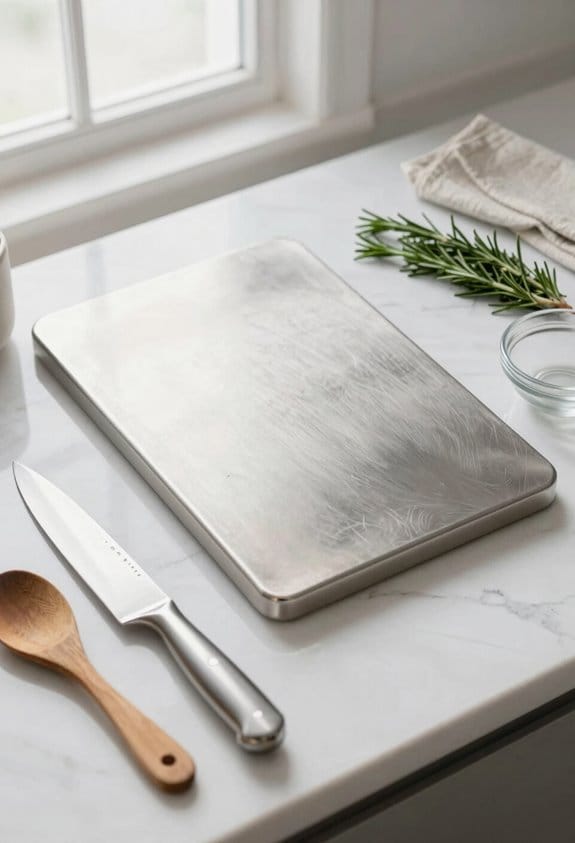
First off, take a good look around your kitchen. You’ll want to start by scrubbing down all surfaces with hot, soapy water. This includes your countertops and cutting boards. It might seem tedious, but getting rid of any gluten traces is critical. After that, make sure to have separate utensils and pans set aside just for gluten-free cooking. It’s essential to wash these items separately to avoid mixing things up.
You might want to consider labeling all your gluten-free products. Putting them on the top shelves in your pantry and fridge can really help reduce the chance of contamination from gluten-filled items. Also, using different containers for condiments is smart—it prevents the risk of double-dipping with the same utensils.
Here’s the trick: educating everyone in your household about gluten-free cooking is key. Let them know the protocols to follow to avoid cross-contamination; it’s a team effort!
Truth is, a clean kitchen does wonders for enjoying your meals safely. To maintain maximum freshness and reduce contamination risks, consider storing gluten-free ingredients in airtight food storage containers. So, what are your go-to methods for keeping things gluten-free in your home?
Must-Have Tools for Gluten-Free Cooking

Keeping a clean kitchen is just the start of your gluten-free journey. But have you thought about the tools that’ll really make a difference? Investing in a dedicated gluten-free toaster is a smart move. It helps prevent cross-contact when you’re toasting your favorite gluten-free bread or bagels. Plus, using separate chopping boards and utensils ensures you won’t mix gluten and gluten-free foods. Color-coding them can save you time, especially when you’re in a rush.
Don’t overlook the value of nonstick pans. They’ll minimize hidden gluten residues, making cooking a breeze. You might be wondering—why does this matter? Well, it’s all about keeping your meals safe and enjoyable!
Labeling all your storage containers and condiments is another simple yet effective step. This way, you can avoid double-dipping and mix-ups. And don’t forget to have a checklist of essential duplicate tools—like measuring cups and spoons—specifically for gluten-free cooking. It helps you dodge unwanted contact with gluten and keeps your kitchen organized.
Using dedicated strainer baskets for gluten-free foods can further reduce the risk of cross-contamination during cooking and rinsing.
In short, gearing up with the right tools makes for a clean and welcoming kitchen. So, what’s the first tool you’ll add to your gluten-free cooking arsenal?
Key Communication Strategies for Gluten-Free Meal Prep
Ever found yourself wondering how to keep gluten-free meal prep smooth sailing? It can be a challenge, especially when you’ve got family members who might not fully understand what gluten sensitivity means. A little education goes a long way here. Make it a point to chat with everyone about why a strict gluten-free diet is so crucial.
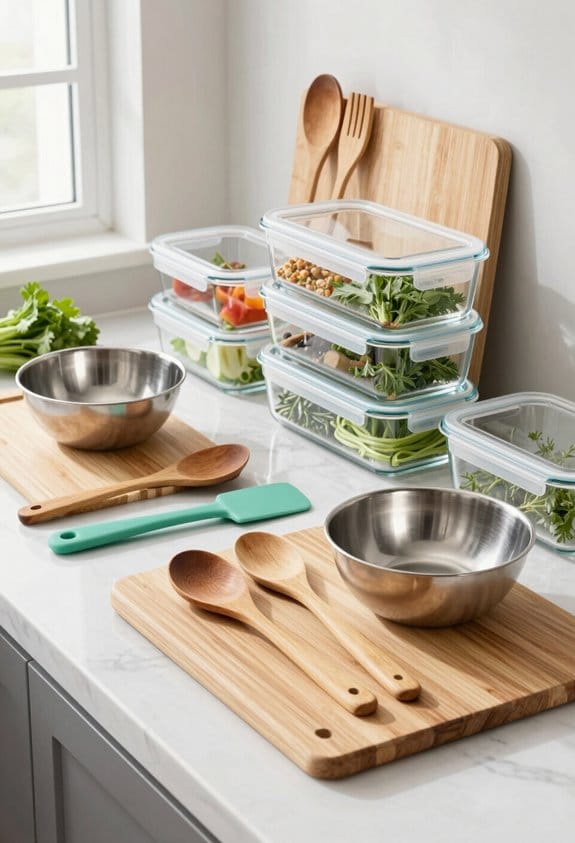
One tip is to label gluten-free items clearly. This simple act can help prevent confusion, especially in kitchens where cross-contact is a real concern. Remember to set some ground rules around utensils too. Think about using separate containers for condiments and avoid double-dipping to keep things safe.
Cleaning is another biggie. How often do we skip over those shared kitchen areas? Make cleaning protocols a priority. It helps to thoroughly wipe down surfaces, utensils, and appliances before you start prepping any gluten-free foods. Trust me, it makes a difference!
Lastly, don’t underestimate the power of communication. Talk openly about gluten safety and any worries that come up. Establishing a supportive atmosphere is key. It encourages everyone to prioritize avoiding gluten and helps everyone become more aware of the risks involved in meal prep.
In a nutshell, clear communication, proper labeling, and solid cleaning habits are your go-tos for gluten-free meal prep. Choosing airtight storage containers can also help keep gluten-free foods safe from contamination. What’s one step you’re ready to take for safer meals at home?
Smart Shopping Tips for Gluten-Free Ingredients
Navigating the grocery store while following a gluten-free diet can feel a bit like a scavenger hunt, right? One of the first things you’ll want to do is to read nutrition labels carefully. Even a tiny bit of gluten can lead to unpleasant reactions, so it’s worth it to stay vigilant. Look for products that are clearly labeled gluten-free to give you a little more peace of mind while you shop. If you can find grocery stores or co-ops that have dedicated gluten-free sections, those can really save you time and reduce confusion.
When you’re shopping, avoid the bulk bins. Why? Shared scoops might introduce gluten from other products, and you definitely don’t want that! Instead, go for packaged items where the ingredients are listed clearly. If you’re ever uncertain about any hidden sources of gluten, like those sneaky sauces or flavorings, don’t hesitate to reach out to the manufacturers for clarification. Honestly, a little caution now can make your meals safer and a lot more enjoyable later on.
To sum it up, being diligent about reading labels and choosing the right products can make a big difference. And just like choosing high-quality tools with features like stainless steel blades to ensure reliability, selecting certified gluten-free products helps maintain safety in your meal prep. Have you discovered any favorite gluten-free brands or tips in your grocery hunts? I’m always eager to hear what works for others!
Creative Organization Ideas for Your Gluten-Free Pantry
Organizing your gluten-free pantry can feel overwhelming at first, but it doesn’t have to be. Do you often find yourself sifting through a jumble of items, worried about cross-contamination? Here’s a simple way to clear that chaos and keep your gluten-free items safe.
Start by designating a specific shelf for all your gluten-free foods. This really helps cut down the risk of any gluten sneaking in from other shelves. You can even grab some clear, labeled containers to make identification a breeze. Trust me, color-coded labels will make it even easier for you to spot what you need quickly.
It’s also a good idea to set aside a few minutes every month to check your pantry. Cleaning up every now and then not only keeps things tidy but also rids your space of any gluten crumbs. It feels good knowing that your gluten-free items are stored safely and are actually safe to eat!
Now, let’s talk about snacks. Store those at eye level! It makes grabbing a treat so much easier and can keep you from reaching for gluten-filled options when hunger strikes.
To further ensure safety and organization, consider using airtight snap-lock lids on your storage containers to keep food fresh and prevent accidental contamination.
As you work on organizing, think about this: what’s the best way to create a gluten-free haven in your pantry? With a little bit of planning and these tips, you can keep everything in order. Do you think it’s time to tackle that pantry?
Frequently Asked Questions
What Are the Symptoms of Gluten Cross-Contamination?
Gluten cross-contamination can cause digestive issues, skin reactions, fatigue onset, joint pain, and headaches severity for those with gluten sensitivity. Long term effects can lead to further health complications, impacting our overall well-being considerably.
Can I Share Utensils After Washing Them?
We can’t share utensils, even after washing. While cleaning techniques like dishwasher use boost sanitation practices, cross-contamination risks remain. It’s best we use separate utensils and safe storage to avoid gluten exposure.
How Do I Choose Gluten-Free Appliances?
When choosing gluten-free appliances, we prioritize dedicated appliances, non-stick options, and stainless steel for durability. We also consider kitchen gadget safety and easy appliance cleaning to guarantee our cooking remains gluten-free and safe.
Are There Specific Gluten-Free Certifications I Should Look For?
We should look for gluten-free logos on packaging, especially from certified products. Checking ingredient labels for certified kitchens can guarantee quality assurance. It’s essential to trust well-known gluten-free brands that meet packaging standards.
What to Do if I Accidentally Ingest Gluten?
If we accidentally ingest gluten, we should take immediate actions like tracking symptoms and staying hydrated. Seeking medical advice and considering dietary adjustments are essential, plus don’t forget mental health—support groups can really help!


