As an Amazon Associate, we earn from qualifying purchases. Some links on this site are affiliate links at no extra cost to you. Our recommendations are based on thorough research and editorial judgment.

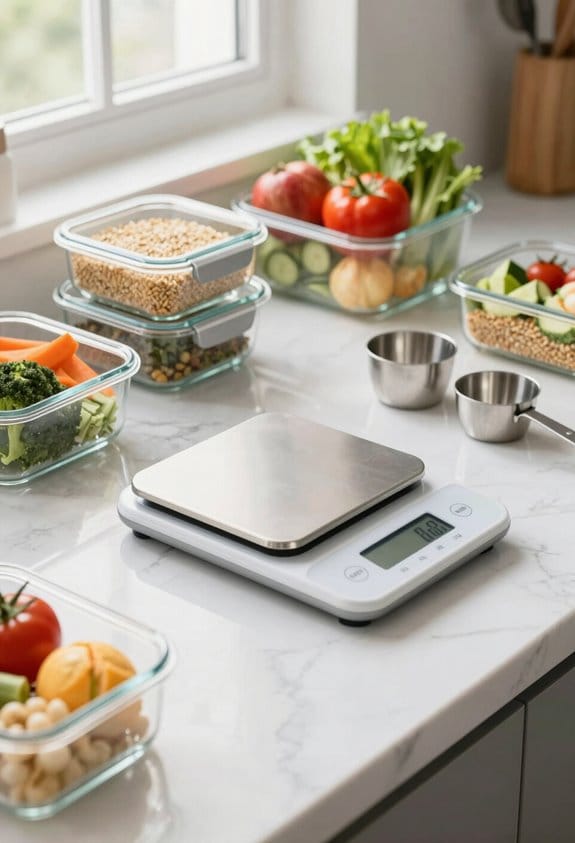
Portion Control Without Obsession: Using Scales for Awareness, Not Restriction

Have you ever felt overwhelmed by portion sizes at mealtime? It’s a common struggle, but mastering portion control doesn’t have to be a stressful task. Digital kitchen scales can really be your ally here. They not only help you measure food accurately but also boost your understanding of what a proper serving looks like.
You may be interested


Here’s the trick: when you’re measuring, use the zero function on your scale to ignore the weight of the container. This way, you get precise measurements every time.
Another helpful tip? Use your palm as a visual guide for protein portions. It’s simple and can make serving sizes much clearer.
With a bit of practice, you’ll find that you feel more in control at mealtimes rather than bogged down by rules. It’s all about awareness, not restriction.
So, why does this matter? When you understand portions better, you can enjoy your meals more fully without any stress.
Curious for more handy tips? Let’s keep exploring and find what works best for you!
Key Takeaways
- Portion control promotes mindful eating by fostering awareness of serving sizes without creating feelings of restriction or deprivation.
- Digital scales aid in accurate measurements, supporting informed food choices while maintaining a balanced approach to portion sizes.
- Combining scales with visual cues enhances understanding of appropriate portions, allowing for flexibility and enjoyment in meal choices.
- Practicing mindful eating by eliminating distractions helps individuals recognize fullness and appreciate flavors, promoting satisfaction without obsession over quantities.
- Establishing a routine for portion control using simple techniques and scales can empower healthier eating habits without causing stress or guilt.
Understanding Portion Control: A Path to Mindful Eating
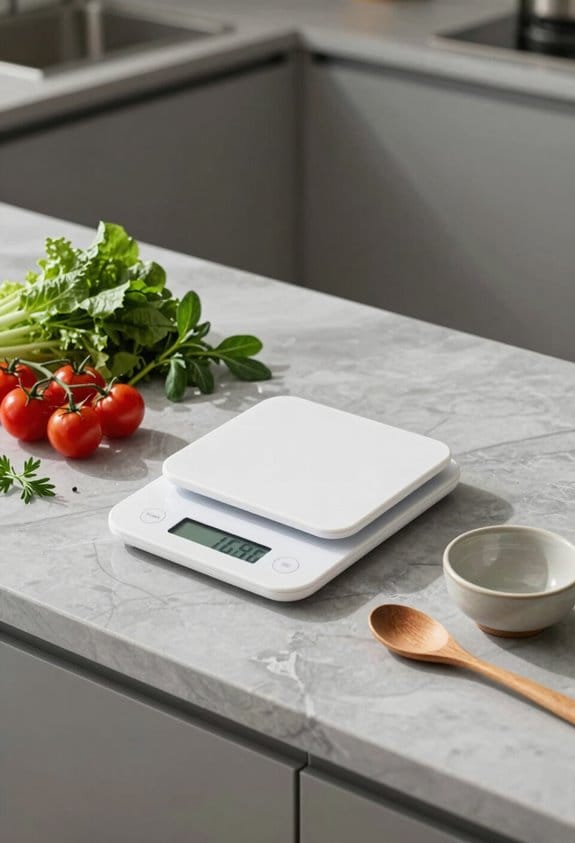
Have you ever found yourself staring at a plate, unsure if you’re serving the right amount of food? Portion control can be a tricky thing to get right, but it plays a huge role in eating mindfully. It’s all about understanding the difference between serving sizes—what’s recommended—and the actual portions that end up on your plate.
To make things easier, consider keeping some handy measuring tools around, like cups or spoons. For a quick estimate, your hands can be surprisingly useful; think of your fist as a serving for grains. And if you want to keep portion sizes in check, try using smaller plates to visually trick your brain into feeling satisfied with less.
So, why does this matter? When you’re more conscious about what you eat, it helps you enjoy your meals without that nagging feeling of deprivation. Plus, controlling portions is a smart strategy for weight management; larger portions can lead to overeating without you even realizing it.
The best part is that by simply embracing portion control, you can pave the way toward a healthier lifestyle. It doesn’t have to be overwhelming; you can start small and see how it makes a difference. What’s one change you can make today to be more mindful of your portions? Using food weighing scales can further enhance awareness by providing precise measurements for your meals.
Practical Tips for Using Scales to Measure Portions

Have you ever found yourself wondering how to control your portions without feeling overwhelmed? Using a food scale might just be the simple solution you need. Opt for a digital kitchen scale – it’s super accurate and makes all the difference. When you’re ready to measure out a portion, plop your empty plate on the scale and hit the zero function. Then, gradually add your food until you reach that perfect weight. It’s an easy way to become more aware of serving sizes.
Here’s the trick: using a scale like the Bisonbody Smart Digital Kitchen Scale gives you real-time nutritional info. This means you can make better choices about what you’re eating. Tracking your meals this way can support your healthy habits without turning into an obsession. Honestly, regularly measuring portions can really streamline your meal prep, saving you time in the kitchen while encouraging you to eat mindfully and keep that weight in check. Many digital scales also feature a tare function that makes subtracting container weight effortless, enhancing measurement accuracy.
Using Scales and Visual Cues Together for Better Portion Control

Are you struggling to figure out the right portion sizes for your meals? You’re definitely not alone! Using a food scale can be a solid first step for managing what you eat, but when you combine it with some easy visual cues, it can make a world of difference. When you weigh your food, you get clear measurements that help you eat healthier. For instance, knowing that a portion of protein should be around 3-4 ounces is helpful, but picturing it as being about the size of your palm really brings it home.
You might also want to think about using measuring cups or the plate method for a little extra help. Here’s the trick: fill half your plate with veggies, a quarter with protein, and the remaining quarter with carbs. This simple mix not only supports portion control but also encourages mindful eating. So, why does this matter? Well, managing portion sizes like this can contribute to better weight management over time.
Truth is, the combination of food scales and visual cues makes it easier to keep portions in check and can help you feel more confident about your meals. It’s all about finding that balance that works for you. Keep experimenting with these methods, and you may just find it transforms your eating habits for the better. What do you think—are you ready to give it a try? Remember, choosing a scale with tare functionality can simplify your measurements by subtracting container weight quickly.
Mindful Eating Practices That Support Portion Control
Mindful eating can really shift the way you think about portion control, making your meals more enjoyable. Have you ever found yourself overstuffed after a meal, wishing you’d paid more attention while eating? By tuning into your eating experience, you start to notice when you’re actually hungry and when you’re full.
Try this: make a point to eat slowly, aiming for at least 20 minutes per meal. This simple change gives your brain enough time to catch up and register that you’re satisfied. It’s amazing how just slowing down can have a big impact on your portion control.
Let’s be honest here—distractions can ruin a meal. Screens, phones, and even background noise can keep you from recognizing when you’ve had enough. So, here’s the trick: eliminate those distractions during mealtime. Focus on the food, the flavors, and your body’s signals.
Another helpful tip is to use smaller plates. It creates the illusion of larger portions, which can trick your brain into feeling more satisfied with less. Plus, it’s a great way to manage your serving sizes without feeling deprived.
Incorporating these mindful eating practices can truly strengthen your relationship with food. You don’t have to feel restricted to enjoy your meals. Using airtight food storage containers can help you portion out food ahead of time, making mindful eating easier to maintain. So, what would it look like for you to practice this today?
Addressing Common Misconceptions About Portion Control
Think portion control means giving up your favorite foods? Let’s clear that up. It’s really more about moderation than deprivation. Measuring your food doesn’t have to feel restrictive; it helps you understand what a standard serving looks like. Research shows that larger portions can lead to taking in more calories, which is where that “portion distortion problem” comes in.
Here’s the trick: instead of focusing on strict measurements, consider using smaller plates. This simple change can let you enjoy your meals without feeling like you’re on a diet. Portion control is an approach that promotes healthier eating habits and supports long-term weight management.
So, why does this matter? It’s not about tossing your favorite treats aside; it’s about being mindful of how much you’re eating. Being aware of portion sizes allows you to enjoy your food more fully. The best part is, you can still savor what you love without the guilt.
Using airtight and leak-proof containers can also help maintain portioned meals fresh and ready to eat throughout the week.
How to Build Portion Control Habits That Last
Building lasting portion control habits can feel pretty tough, right? But it doesn’t have to be. Start by using visual guides like hand measurements or the plate method to whip up balanced meals. And don’t underestimate the power of mindful eating—taking your time and ditching distractions helps you tune into your hunger cues and recognize when you’re full.
Want a handy tip? Try a food calorie scale to really get a grasp on actual portion sizes. Meal planning can be a lifesaver; having pre-portioned snacks ready to go makes it easier to fend off cravings when they hit. Here’s the trick: using smaller plates can make your servings look bigger, which plays a little mind game that helps you feel satisfied. It’s also good practice to check out nutrition labels—getting familiar with serving sizes can open your eyes to how much you’re really eating.
The best part is, with some consistent practice, these techniques can become second nature. Before you know it, making healthy food choices will feel easier and a lot less stressful. So, what’s one portion control trick you’re willing to try this week?
Why Does Portion Control Matter for Your Health?
Why Does Portion Control Matter for Your Health?
Have you ever found yourself completely stuffed after a meal? You’re not alone! Many of us struggle with portion sizes, especially when faced with huge restaurant servings that can be 2-3 times what we really need. So, why does this matter?
Managing our portion sizes can help prevent that uncomfortable bloated feeling and keep our calorie intake in check. Eating in moderation is a big part of successful weight management. The truth is, when we’re mindful of how much we’re eating, we’re more likely to make healthier choices.
Practicing portion control isn’t just about cutting back. It’s also about balance. By focusing on getting the right amounts of nutrients without overdoing it on the calorie-dense foods, we can nourish our bodies better. Mindful eating means being aware of what goes on our plates, which helps us enjoy our meals without falling into the traps of overeating, obesity, or heart disease.
Here’s the trick: you don’t need a food scale or complex charts to figure out portions. Use everyday objects to guide you! For example, your clenched fist can represent a serving of carbs, while your palm can stand for protein. It’s a simple and effective way to keep your portions in check.
Honestly, being aware of what we’re eating makes sticking to healthy habits a lot easier. It’s all about finding ways to simplify healthy eating so it feels doable instead of overwhelming.
In short, portion control matters because it helps us strike a balance in our diets while avoiding unnecessary health risks. Additionally, using tools like digital food scales can enhance accuracy in portioning and promote consistent healthy habits. What will you do today to keep your portions in check?
Frequently Asked Questions
What Are the Four Types of Portion Control?
We’ve identified four types of portion control: mindful eating with visual cues, using kitchen scales for accurate measurements, following food labeling and serving suggestions, and adopting balance plates to combat portion distortion during meal prep.
Why Shouldn’t You Obsess Over the Scale?
We’ve gotta ditch that scale anxiety! It skews our healthy mindset and undermines body positivity. Embracing mindful eating and self-acceptance promotes food freedom, allowing us to balance weight fluctuations and prioritize holistic health instead.
What Is the 3-3-3 Rule for Eating?
The 3-3-3 Rule encourages us to take three mindful bites of our meals, evaluating hunger cues, serving sizes, and satisfaction. By doing this, we promote balanced plates and conscious choices, reducing emotional eating and enhancing nutritional awareness.
How to Work on Intuitive Eating Without Obsessing or Restricting?
Let’s commence on a journey of mindful eating, tuning into our body cues like an artist with a palette. By embracing food freedom and emotional awareness, we’ll create balanced meals that bring joyful nourishment and true satisfaction levels.


