As an Amazon Associate, we earn from qualifying purchases. Some links on this site are affiliate links at no extra cost to you. Our recommendations are based on thorough research and editorial judgment.

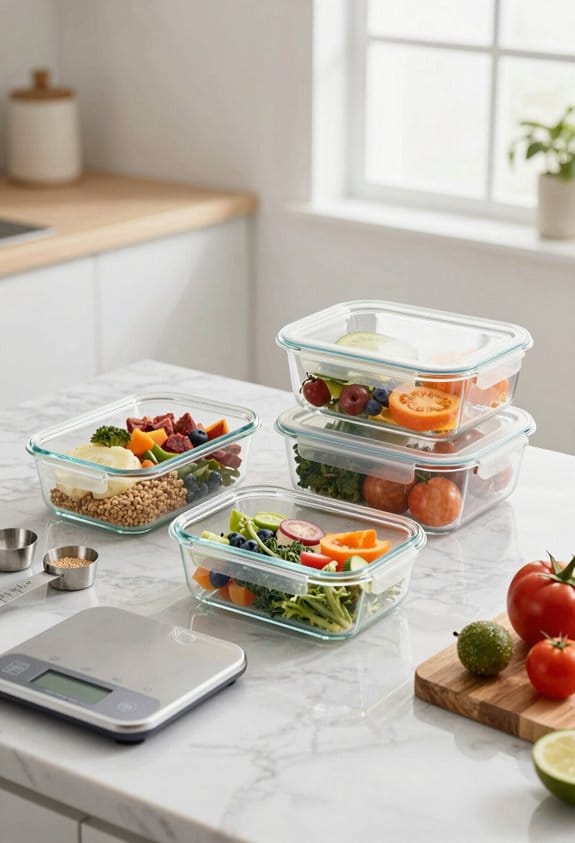
Why Condensation Forms in Your Containers and How to Prevent Soggy Food

Have you ever opened up your container of leftovers, only to find everything soggy? It’s a common problem, especially with those delicious, high-moisture foods. When warm air cools inside your container, it creates condensation, which turns into those pesky water droplets. So, what can you do to keep your meals fresh and not dripping?
You may be interested
Try this: Before sealing up your hot food, let it cool down for about 30 minutes. This little step can make a big difference in reducing moisture. Frankly, hot food goes from warm to cold too quickly in an airtight container, leading to those moisture problems.
You also want to keep using airtight containers, but remember, they can trap condensation inside if the food is still warm.
Another handy tip is to choose packaging that allows for some airflow. Micro-perforated bags are great for letting moisture escape but still keep your food protected. This helps to manage humidity better.
So, whether you’re storing soup, veggies, or a hefty portion of pasta, it pays off to think about how you’re putting it away.
Honestly, if you pay attention to temperature and how you store your food, you can really extend its freshness. The best part is that it doesn’t take much time—just a little planning goes a long way.
Have you noticed any other tips that help you keep your food fresh?
Key Takeaways
- Condensation forms when warm, moist air inside containers cools, leading to water droplets, especially when sealing hot food too soon.
- Allow food to cool to room temperature before sealing to reduce humidity and prevent sogginess.
- Use airtight containers filled to the top to minimize air and moisture, which promotes condensation.
- Opt for micro-perforated containers to manage humidity while protecting food freshness.
- Store drier foods and use moisture-absorbing packets to mitigate condensation issues and enhance food safety.
What Causes Condensation in Food Containers?
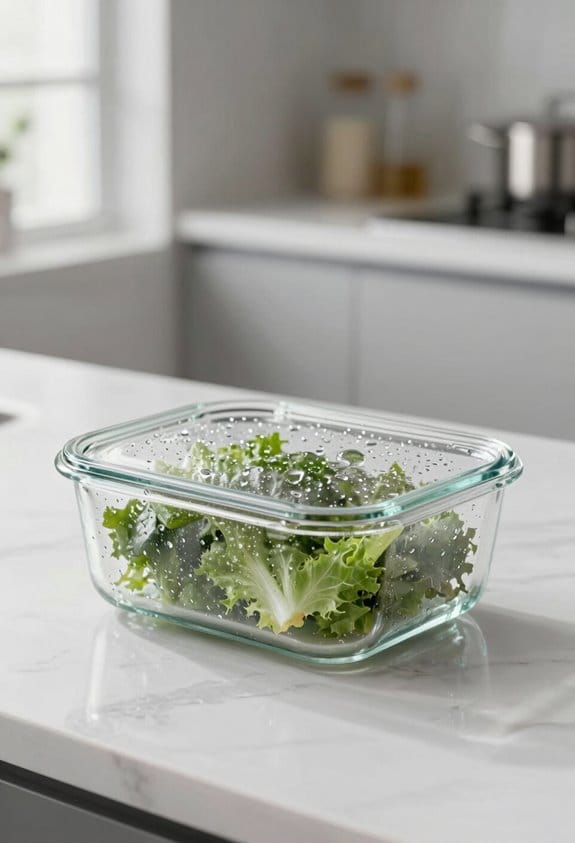
Have you ever opened a food container only to find it foggy inside? That pesky condensation can really be a nuisance. It happens when warm, moist air cools down and turns into water droplets. This usually happens when the air inside the container hits that dew point. Plus, cold surfaces, like the lid, are perfect for collecting that moisture. And let’s be real—foods with a lot of water content, like veggies and meats, make it even worse.
So, what can you do to keep that condensation at bay? First off, try letting your food cool down to room temperature before sealing it up. It’s a simple step, but it makes a big difference. Also, if you can avoid sealing containers in humid environments, that’s a win. Warm food going straight into a sealed container? Not the best idea; it just adds more humidity.
Here’s the trick: opt for airtight containers. Look for ones designed to limit airflow. This can significantly improve how well your food stays fresh. Many airtight containers also feature silicone gaskets which help create a better seal to prevent moisture buildup inside.
Truth is, dealing with condensation is easier than it seems. By cooling your food first and using good containers, you can enjoy your meals without that annoying moisture buildup. Have you tried any of these tips? What’s worked for you?
How Temperature Affects Moisture
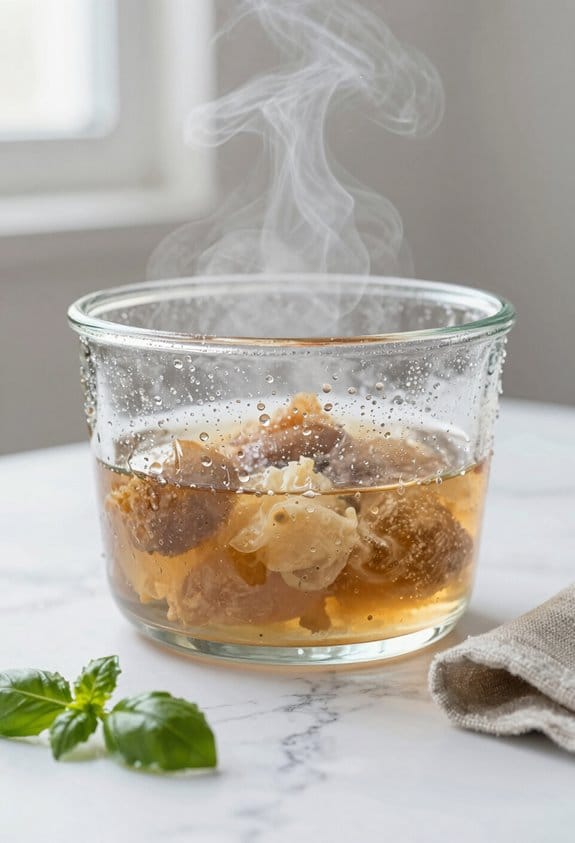
Have you ever noticed that when you seal hot food too soon, it can get all soggy inside? That’s because temperature really matters when it comes to moisture in your food containers. When steaming hot food is put away before it cools down, the trapped steam creates excess moisture, leading to that annoying condensation.
To avoid this mess, try letting your hot food cool down to room temperature before you tuck it away. Not only does this help with moisture control, but it also keeps your food fresher for longer. Another thing to keep in mind is how temperature changes inside the container affect moisture. If the outside of the container cools down faster than the food inside, you can end up with water accumulating at the bottom. So, keeping a consistent storage temperature is key.
And don’t forget—if moisture hangs around for too long, it can be a breeding ground for dangerous bacteria. That’s not something you want in your kitchen! By staying on top of moisture control, you can preserve your food better and keep it safe to eat.
Using containers with airtight seals can prevent excess moisture buildup and help maintain freshness.
Next time you store food, remember these tips. You may find that simple adjustments can make a big difference. What are some of your go-to methods for keeping your food fresh?
How Food Moisture Content Influences Condensation
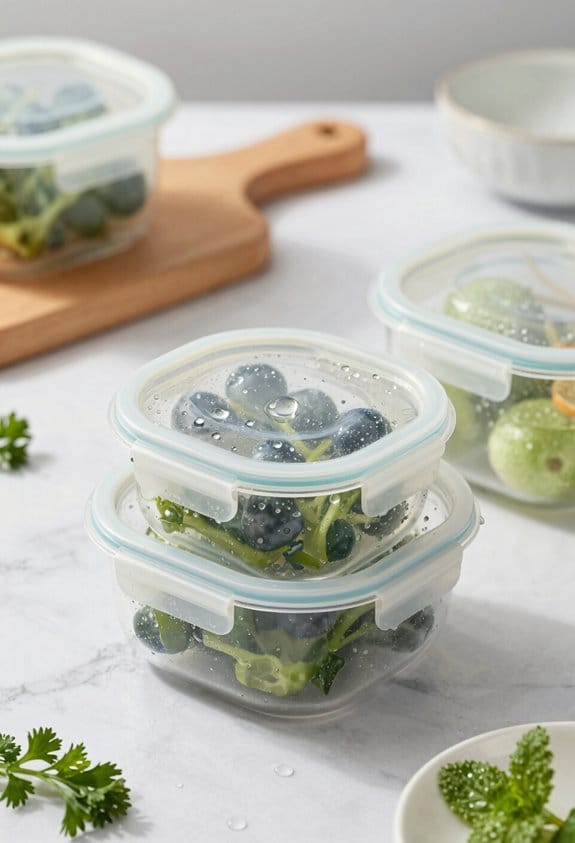
Have you ever opened your fridge to find moisture building up inside your containers? The truth is, how much moisture is in your food can really impact this annoying condensation. Foods with high moisture content, like fresh veggies and meats, can generate a lot of water vapor. When these items chill down, the temperature shift between the food and the container results in that pesky condensation forming on the coldest surfaces. This issue is especially common with foods that have a water activity (aw) over 0.90, which are prone to spoilage.
So, what can you do about it? Having drier foods, like crackers or dried fruits, is a smart way to minimize condensation. These items have lower moisture levels, so they won’t contribute to moisture buildup in your storage containers. If you’re storing high-moisture foods, consider keeping them in breathable bags or using moisture-absorbing packets to help control the humidity levels.
Honestly, being aware of the moisture content in the foods you store can really improve food safety and help keep your pantry stocked longer. You want to savor your food, not waste it, right? Keeping an eye on how you store your food based on its moisture will pay off in the long run. How do you store your food to keep it fresh? Proper storage also involves monitoring temperature accurately with tools like a digital thermometer to prevent condensation and spoilage.
Is Condensation a Risk to Food Safety?
Have you ever opened your fridge only to find condensation pooling inside your food containers? It’s a bit of a head-scratcher, right? But the question on everyone’s mind is: does this condensation pose a risk to food safety?
The good news is that condensation itself isn’t a food safety concern. That moisture doesn’t spoil food or make it unsafe to eat. Most pathogens come from how we handle food before sealing those containers, not from a bit of water on the lid. If you store high-acid foods, like tomatoes or citrus, you can rest easy. Their acidity actually helps fend off any unwanted bacteria that condensation might encourage.
Of course, too much moisture can lead to soggy food, and nobody wants that. The trick is to check your containers regularly to avoid any nasty surprises. Keeping an eye on them helps ensure your food stays at its best.
Truth is, maintaining the right storage temperatures and good food handling practices is far more crucial for food safety than stressing over condensation. Using airtight seals on containers also helps prevent moisture buildup and keeps food fresher longer. So, keep your food safe and tasty! What’s your go-to tip for keeping your food fresh?
Proven Strategies to Prevent Condensation
Have you ever opened your fridge only to find your leftovers drenched in condensation? It’s frustrating, right? Luckily, there are easy steps you can take to keep that pesky moisture under control and keep your food fresh.
First off, when you store hot food, let it cool for about 30 minutes before sealing it up. This simple trick helps eliminate the temperature difference that leads to condensation. You’ll also want to use airtight containers—these work wonders for keeping harmful bacteria at bay. If you fill your containers to the top, you’ll reduce the amount of air, which means less moisture to worry about.
If you’re planning on storing food for a while, think about using containers with micro-perforations. These allow for some ventilation, helping to manage humidity without letting your food dry out. Consistency is key, so keep those food storage temperatures steady too.
Additionally, choosing containers made from BPA-free plastics ensures food safety and prevents chemical leaching.
So, why does this matter? Well, by following these straightforward steps, you’ll not only enhance your food storage quality but also enjoy fresher meals. You won’t have to deal with soggy dishes anymore!
Next time you’re putting away leftovers, remember these tips. Keeping condensation at bay is a team effort! Got any other food storage hacks? Share them below!
How to Choose Packaging That Reduces Moisture
How can you keep moisture from ruining your food? It’s a common problem, but there are smart ways to tackle it. Start with airtight containers that have good seals. These can prevent moisture from sneaking in and cut down on condensation, so your food stays fresh longer. Think about using vacuum-sealed packaging too; it sucks out the extra air, helping to drastically lower the chances of moisture build-up.
Now, when you’re picking materials, go for non-hygroscopic options like glass or certain plastics. These don’t soak up moisture, making them excellent for preserving food. Also, containers that match your portion sizes can help minimize empty space inside, further reducing the formation of condensation.
If airflow is necessary for your items, consider packaging with micro-perforations or vents. This method allows moisture to escape while still protecting your food. Additionally, selecting containers that are airtight and leak-proof ensures a tight seal that maintains freshness by preventing external moisture entry. So, how do you want your food to stay fresh? With these tips in your back pocket, you can keep it dry and tasty!
Best Practices for Cooling Food to Minimize Condensation
Cooling food correctly is super important, especially if you want to avoid that annoying condensation. Ever tried to store leftovers, only to find they’re damp and soggy? It’s frustrating! So, here’s the deal: start by letting those hot leftovers cool down at room temperature for about 30 minutes to an hour. This little trick helps even out the temperature in your containers, reducing the chances of that pesky moisture building up.
While your food is cooling, you might want to loosely cover it with parchment paper. This keeps dust and other contaminants away while letting steam escape. Honestly, it’s a simple way to keep your food fresher without trapping moisture. Another tip? Use shallow storage containers that are no deeper than three inches. They do wonders for speeding up the cooling process.
And a major no-no? Avoid sealing containers while the food’s still warm. Trapped steam equals condensation, and that’s exactly what you want to steer clear of. Aim to cool everything down to below 40°F in four hours or less to keep excess humidity at bay.
To wrap it up, following these steps can keep your food pleasantly dry and fresh for storage. Using containers made from borosilicate glass can further help because they withstand temperature changes effectively, reducing condensation risks. So, what’s your go-to method for cooling leftovers?
Tips for Managing Moisture in Your Kitchen Environment
Managing moisture in your kitchen can feel like a never-ending battle, but with a few smart strategies, you can keep things fresher for longer. Ever noticed how leftovers can turn into soggy messes? Cooling your cooked food for at least 30 minutes to an hour before sealing it up is a simple yet effective tip. This step helps to cut down on any condensation that can happen inside the container.
What about the containers themselves? Going for airtight options makes a big difference in reducing moisture build-up. It’s also smart to fill those containers to the brim; leaving empty space allows air to circulate, which increases the chance of moisture. Storing food in appropriate portions not only makes it easier to grab and go, but it also minimizes the time food spends in warmer air when you open the container.
And don’t forget to check your stored food regularly. Excess moisture can quickly impact food quality, leading to spoilage. So, get into the habit of doing a quick inspection now and then.
Choosing containers with silicone sealing strips can further enhance airtightness and help prevent condensation build-up.
With these easy tips in your back pocket, you can create a dryer kitchen environment and keep your meals tasting fresh. How do you manage food storage in your kitchen?
Frequently Asked Questions
How to Stop Condensation in a Food Container?
To stop condensation in our food containers, we should focus on temperature control and use airtight lids. Different container types can help manage humidity levels, minimizing moisture causes for better food preservation and longer-lasting freshness.
How to Stop Condensation in a Container?
Ever wondered why our containers sweat? To stop condensation, we can focus on container ventilation, adjust lids, control humidity, choose materials wisely, place food properly, manage temperature mismatches, and guarantee airtight seals.
What Can I Put in a Container to Absorb Moisture?
To absorb moisture, we can use silica gel, activated charcoal, baking soda, rice grains, oatmeal packets, or salt crystals. These moisture-absorbing agents help keep our containers dry and our food fresh.
How to Keep Food From Getting Soggy in a Container?
To keep our food from getting soggy, we’ll use airtight containers, regulate temperature, and prioritize effective sealing. Embracing these food storage tips will enhance moisture control and guarantee our food preservation efforts aren’t in vain.


