As an Amazon Associate, we earn from qualifying purchases. Some links on this site are affiliate links at no extra cost to you. Our recommendations are based on thorough research and editorial judgment.


Using Slow Cooker Liners: Are They Worth the Convenience?

Using slow cooker liners can definitely make cooking less messy, but it’s important to weigh a few pros and cons. They help with cleanup and keep your slow cooker looking brand new.
You may be interested


However, there are also safety and environmental concerns to think about. For instance, it’s a good idea to look for BPA-free options if you want to keep your food safe.
Liners come in three sizes, so make sure to pick the right one for your slow cooker. You don’t want a liner that’s too small or too big, as that can lead to unwanted spills or messes.
While they’re designed for convenience, you’ve got to consider the impact of single-use plastics on our planet.
So, why does this matter? If you’re looking for something more eco-friendly, there are alternatives out there worth exploring. Perhaps try silicone liners that can be reused, or simply coat your slow cooker with a bit of oil before adding ingredients for easier cleanup.
In the end, slow cooker liners can save time, but they also come with trade-offs. It’s all about finding the balance that works best for you and your cooking setup.
What’s your go-to method for keeping cleanup easy in the kitchen?
Key Takeaways
- Slow cooker liners simplify cleanup by preventing food from sticking, saving time on post-cooking scrubbing and scrapping.
- They protect the slow cooker’s interior from scratches and damage, extending its lifespan.
- Disposable liners pose environmental concerns, contributing to landfill waste and greenhouse gas emissions.
- Reusable options, like silicone liners, are eco-friendly and cost-effective for frequent usage.
- Choosing the right size liner is essential to avoid spills or melting during cooking, ensuring optimal results.
What Are Slow Cooker Liners?

Have you ever dreaded the cleanup after a long day of cooking in your slow cooker? It’s the part that can really take the joy out of a delicious meal. That’s where slow cooker liners come into play. These simple, disposable plastic bags fit neatly inside your cooker and can save you a ton of time when it comes to washing up.
The best part is that these liners are made from heat-resistant nylon, which can handle temperatures up to 400 degrees Fahrenheit. You won’t have to worry about your meal sticking to the pot or making a mess that takes ages to scrub clean. By using the right-sized liner, you can essentially avoid spills altogether, too.
So, why does this matter? Well, using a liner not only keeps your slow cooker clean but also helps protect it from scratches. Regular scrubbing can wear down the interior, so a liner is a great way to extend your slow cooker’s lifespan.
Additionally, many liners are BPA-free, ensuring food safety during cooking.
Trying this method can really make your cooking experience smoother. When you’re done with your meal, just toss the liner out—no fuss, no mess. Honestly, it’s a small step that can make a big difference in your kitchen routine.
Next time you reach for that slow cooker, consider using a liner and see how easy cleanup can be! What’s your go-to tip for making cooking less stressful?
The Benefits and Risks of Using Slow Cooker Liners?
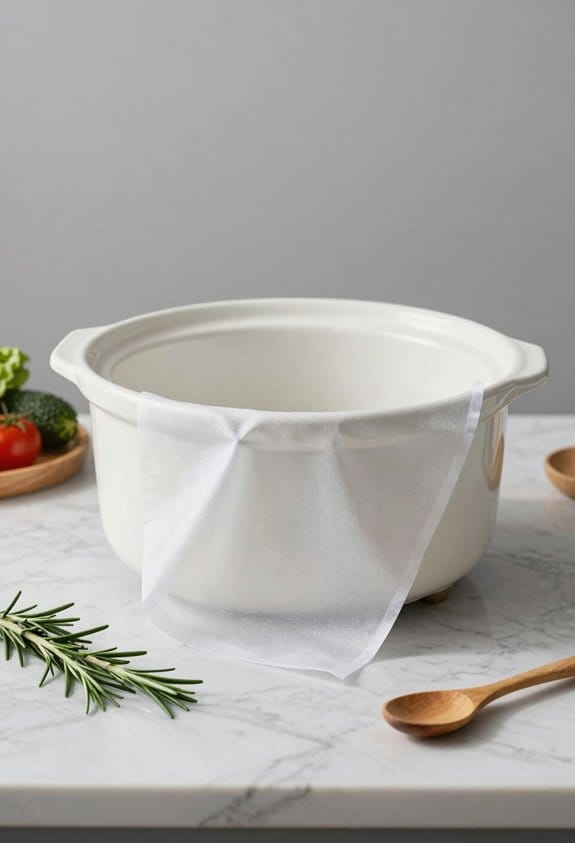
Are you tired of scrubbing your slow cooker after a long day of cooking? Slow cooker liners can seem like a simple solution to make cleanup a breeze, but it’s worth taking a moment to think through the pros and cons before diving in.
On one hand, these liners prevent food from sticking, which can mean quicker wipes and less battling with baked-on messes. But here’s the trick: not all liners are created equal, and there are concerns about the health implications of using plastic in the kitchen. Even when they’re labeled BPA-free, some alternatives might still contain other harmful chemicals. So, why does this matter? What goes into our food storage can impact our health over time.
Then there’s the environmental side of things. Disposable liners contribute to landfill waste, and that doesn’t sit well with many of us trying to be eco-conscious. Plus, there are some real complaints out there about liners sticking to food, which can lead to more frustration and cleanup than you bargained for.
Temperature is another factor to keep in mind. Most liners can handle cooking up to 400 degrees Fahrenheit, but mishandling them can lead to burns—definitely not fun after you’ve finally managed to get dinner on the table.
To minimize health and environmental concerns, consider using BPA-free materials or reusable liners as safer alternatives.
In the end, slow cooker liners can simplify cleanup, but they come with a few caveats that need consideration. It might be worth exploring other options too. Have you tried cooking without them?
Are Slow Cooker Liners Safe for Cooking?
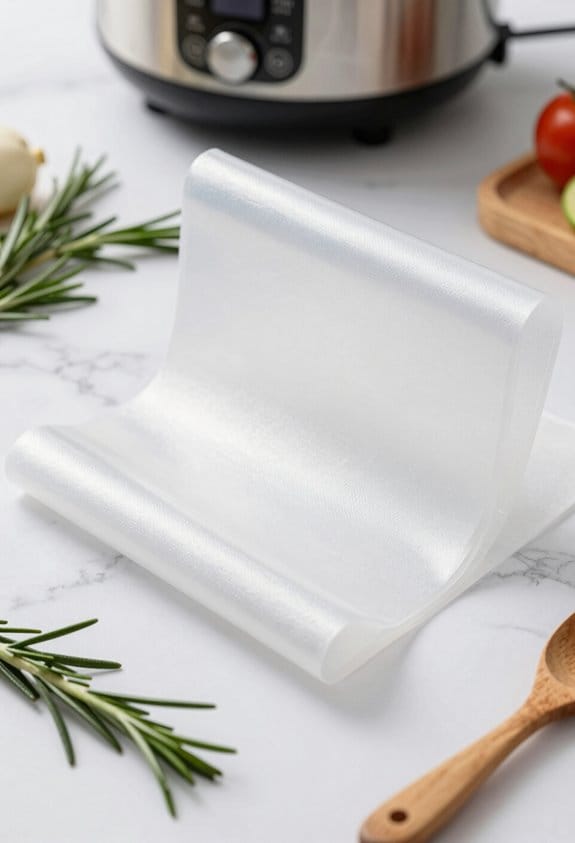
Are slow cooker liners really safe for cooking? You might be wondering if they’re worth the fuss. The good news is, yes, they’re safe to use as long as you handle them right. These liners can handle heat up to 400 degrees Fahrenheit, which is perfect for most slow-cooked meals.
When you’re choosing a liner, look for ones that are BPA-free and made from food-safe nylon. This step is crucial because it helps reduce any health concerns tied to plastics.
After you’ve cooked up a storm, let the slow cooker and liner cool down completely before you touch them. One important tip: always remove the food before tossing the liner. This not only prevents burns but also keeps spills at bay. By keeping these simple things in mind, you can enjoy all the convenience that slow cooker liners bring without feeling anxious about safety.
Additionally, opting for liners compatible with slow cookers that have removable, dishwasher-safe pots can make cleanup even easier and safer.
Environmental Impact of Slow Cooker Liners
How often do you use a slow cooker for your family meals? They make cooking easy, but let’s talk about the cleanup. Those slow cooker liners can seem like a lifesaver, but we really need to consider their environmental impact. These single-use plastics pile up and often end up in landfills and oceans, where they do real harm. Plus, the process of making these liners releases greenhouse gases that contribute to climate change. With about 60 million households using slow cookers, that adds up to a lot of waste.
So, what can you do? Consider switching to eco-friendly options. Reusable silicone liners or compostable materials are great alternatives that can lessen your environmental footprint. By making this switch, you’re not just making cooking more sustainable; you’re also playing a part in protecting the planet. Using products designed with durable materials can also help reduce waste by lasting longer and performing better over time.
Honestly, it’s all about making smarter choices. Choosing reusable or compostable options means you’re less likely to rely on those disposable products that are so harmful to our environment. It feels good to know you’re doing your part while still grabbing your favorite comforting meals from the slow cooker.
In the end, let’s think about how our choices impact the world. Want to help out and still enjoy convenient cooking? Look for those eco-friendly liners next time you’re shopping. Together, we can cook delicious meals while caring for our planet. What small changes are you willing to make for a healthier Earth?
How to Use a Slow Cooker Liner Effectively
Have you ever dreaded the clean-up after a day of slow cooking? I get it—it can be a hassle. But here’s a tip that can make it a lot easier: using a slow cooker liner.
To start, you’ll want to pick a liner that matches the size of your slow cooker, whether it’s 1 quart or 10 quarts. Just place the liner inside the cooker, smoothing it out against the sides. This helps prevent it from bunching or tearing, which can lead to spills—no one wants that mess!
When it comes time to add your ingredients, remember to use plastic, wooden, or silicone utensils. Those will keep the liner intact as you stir or serve. And here’s a little trick: this not only makes serving easier but helps maintain your slow cooker in good shape, too.
After your meal’s done cooking, let everything cool completely first. This is really important! Allowing it to cool helps you avoid burns or any messy spills while removing the liner.
And don’t forget, these liners are single-use, so when you’re finished with your meal prep, just toss it out. Choosing a liner that complements your cooker’s size and capacity ensures the best fit and performance.
Reusable vs. Disposable Slow Cooker Liners: Pros and Cons
Ever find yourself staring at a slow cooker, wondering how to make cleanup easier? You’re not alone! Choosing between reusable and disposable slow cooker liners can feel like a small but daunting task, especially with so many options floating around.
Disposable liners are a popular choice for a reason. Made from BPA-free nylon, they really do make cleanup a breeze. If you’re cooking every now and then, these can be quite handy. But think about this: while they save you time in cleanup, they also add to the trash pile. It’s a bit of a trade-off that can weigh on your conscience, right?
Now, if you’re the type who uses a slow cooker regularly, you might want to consider reusable liners. They’re typically more eco-friendly and can end up saving you some cash in the long run. However, they do require a bit more elbow grease when it comes to washing up. So, you have to ask yourself, how much effort are you willing to put into cleanup after a hearty meal?
No matter which type you decide on, sizing is key! A liner that’s too small might bunch up or tear, which can affect how well your meal cooks. Both disposable and reusable options fit a variety of slow cooker models, so make sure to double-check compatibility before purchasing.
Using liners can also help protect your slow cooker’s pot, which often features a dishwasher-safe coating to simplify cleaning and preserve durability.
At the end of the day, it’s all about finding the right balance between convenience and being kind to the planet. What matters more to you—quick cleanup or sustainability?
Do Slow Cooker Liners Melt? Common Safety Concerns?
Have you ever had that moment of panic, wondering if your slow cooker liner might just melt away while your delicious meal is cooking? It’s a valid concern! These liners are made to handle temperatures up to 400 degrees Fahrenheit, but if they’re not used correctly, there can be problems. I’ve heard stories of liners melting, so following the manufacturer’s guidelines is key to avoiding a messy disaster.
One thing to keep in mind is the size of the liner. If it bunches up in the slow cooker, that could lead to overheating and potential melting. Honestly, that’s not something anyone wants to deal with! And while the liners might be BPA-free, there could be other ingredients we’re not aware of that raise safety flags. So, why does this matter? Health effects should always be front and center in our cooking adventures.
After you finish cooking, it’s best to let your slow cooker cool down completely before you try to remove the liner. This little tip not only helps you avoid burns and spills but also keeps your kitchen safe and the cooking experience enjoyable.
To recap, slow cooker liners can melt if they’re misused or bunched up, so make sure to choose the right size and follow safety guidelines. It makes all the difference in the world, doesn’t it? What’s your top tip for using a slow cooker?
For added safety and better cooking results, consider using a tempered glass lid with a silicone seal to retain heat and moisture properly while cooking with your liner.
What Sizes Are Best for Slow Cooker Liners?
When you’re prepping a meal in a slow cooker, one detail often slips under the radar: the size of your slow cooker liner. It might seem minor, but using the right size is crucial for smooth cooking and cleanup.
So, what sizes are we looking at? Slow cooker liners come in three main sizes:
- Small: for one to three quarts
- Regular: for three to eight quarts
- Large: for six to ten quarts
Choosing a liner that’s too big can lead to the edges hanging over, which might mean melted plastic or burnt edges. On the flip side, a liner that’s too small won’t cover the pot entirely, causing spills and uneven cooking.
For those of you with standard slow cookers, which usually fall between three and six quarts, a regular liner is your best bet. That simple choice can make a huge difference in your cooking experience.
Honestly, no one wants a mess to clean up after a long day of cooking! So next time you’re getting ready to whip up a delicious meal, don’t overlook this little detail. What size will you choose for your next slow-cooked dish? Using liners with dishwasher-safe components can make cleanup even easier.
Alternatives to Slow Cooker Liners for Easy Cleanup
Cleaning up after using a slow cooker can feel like a chore, can’t it? Instead of reaching for those disposable slow cooker liners, there are several practical alternatives that can make things easier without adding waste.
One simple approach is to soak the removable stoneware insert in warm, soapy water. It softens food residue, making it so much easier to scrub away. Another trick? Lightly oil or butter the interior before cooking. This little step can really help prevent food from sticking, which means you might not even need a liner!
Consider using compostable parchment paper if you’re baking cakes or bread in your slow cooker. It creates a non-stick surface that you can toss out when you’re done, which is super handy. For an eco-friendly option, think about investing in a silicone baking mat. It’s reusable, making it a great choice when you’re looking to avoid sticking. Truth is, if you find yourself continually battling with stuck food, it might be worth considering replacing that slow cooker insert instead of relying on occasional disposables.
Additionally, choosing cookware with durable non-stick surfaces can significantly reduce cleanup time and the need for liners.
Final Thoughts: Are Slow Cooker Liners Worth the Convenience?
Are slow cooker liners really worth the hassle? If you’ve ever cooked a meal in your slow cooker, you know the struggle of cleanup afterward. Those liners can definitely make things easier, cutting down on the scrubbing to just a quick wipe. But let’s pause for a moment—what about the health concerns tied to using plastic, even if those liners are BPA-free?
For folks who occasionally dip into slow cooking, those disposable liners are like a little magic trick that simplifies meal prep. But if you’re someone who relies on your slow cooker frequently, investing in reusable liners might be the way to go. You’ll save money in the long run and do your part for the environment. Just remember to grab the right size for your specific slow cooker so you get the best results.
Truth is, it’s all about weighing the convenience of a quick cleanup against the impact of single-use plastics. It makes you think, doesn’t it? What choice aligns best with your cooking habits? Whether you lean towards disposables or opt for reusable, knowing your options helps you make the best decision for your kitchen routine. Considering kitchen tools that offer both convenience and sustainability, like mini food processors with dishwasher-safe components, might also improve your overall cooking experience.
Frequently Asked Questions
Are Slow Cooker Liners Worth the Cost?
We think slow cooker liners can be worth the cost, especially for their usability benefits. Considering cost comparison, environmental impact, and cooking effects, exploring different brand options and consumer reviews helps us make informed choices.
Should I Use a Liner in My Slow Cooker?
We’d recommend using a liner in our slow cooker for better cleanup efficiency and food safety. It can handle high cooking temperatures, plus we can choose between disposable or reusable materials to reduce environmental impact.
Do Liners Change the Taste of Food?
We’ve found that liners don’t particularly change the taste. Sure, there’s a taste comparison to evaluate, but with quality materials, food integrity is preserved, and flavor absorption remains true to the intended cooking method and ingredient interaction.
Is It Safe to Use Reynolds Slow Cooker Liners?
Yes, using Reynolds liners is safe at recommended cooking temperatures. They address food safety concerns, are BPA-free, and dispose of easily. We should always follow guidelines for proper use, considering both health and environmental impact.


