As an Amazon Associate, we earn from qualifying purchases. Some links on this site are affiliate links at no extra cost to you. Our recommendations are based on thorough research and editorial judgment.

Batch Cooking Beans: A Guide to Soaking and Slow Cooking

Got a busy week ahead? Batch cooking beans might just be the answer to your meal prep prayers.
You may be interested


First off, you’ll want to sort and rinse the beans thoroughly to get rid of any dirt or debris. Soaking them for 8-24 hours in three times their volume of water isn’t just a good idea—it’s essential for better digestion and flavor. After that long soak, toss them into a slow cooker with water or broth. Hold off on those spices until later to keep the flavors crisp and fresh.
Here’s the trick: Always plan ahead! So, why does this matter? Cooking a big batch means you can save time on busy nights. Plus, beans are packed with nutrition, making meals both healthy and filling without breaking the bank.
When your beans are all cooked, think about how to store them. You can easily keep them in the fridge for about a week or freeze them for several months. Just imagine having beans ready to go whenever you need a quick meal or snack!
The best part is that there’s so much you can do with cooked beans. Toss them into salads, blend them into dips, or make hearty soups. Honestly, once you get the hang of batch cooking beans, you might wonder how you ever managed without them.
So, what do you think? Are you ready to give this a shot and whip up your own batch?
Key Takeaways
- Sort and rinse dried beans, then soak them for 8-24 hours to improve flavor and digestibility.
- Use three times the water volume for soaking, discarding the soaking water afterward to reduce gas-producing sugars.
- Cook beans in a slow cooker for hands-free preparation, enhancing the flavor with broth, onions, and spices.
- Store cooked beans in their cooking liquid and refrigerate for 3-5 days, or freeze in portion sizes for up to six months.
- Experiment with different beans and seasonings to boost nutrition and variety in meals while keeping beans versatile for use in various dishes.
The Benefits of Batch Cooking Your Beans

Have you ever stared at a can of beans in the store and thought about how much easier it’d be to have your own on hand? Batch cooking your beans can save you time and money, and it just makes sense for your meals. By soaking and cooking dried beans in bulk, you can whip up a lot more than you’d think. One pound of dried beans can give you the equivalent of four cans. That’s some serious savings!
Cooking with beans can add a delicious twist and tons of nutrition to your meal prep. Whether you toss them in salads, soups, or even stir-fries, beans are super versatile. And if you go the slow cooker route, you can set it and forget it! It’s a hands-off way to get those tasty, home-cooked flavors going without spending all day in the kitchen.
The best part is, once they’re cooked, you can freeze those beans for later. Just think: a simple process of cooking, portioning, and freezing means you’ll always have beans ready at your fingertips. It really helps cut down on food waste too!
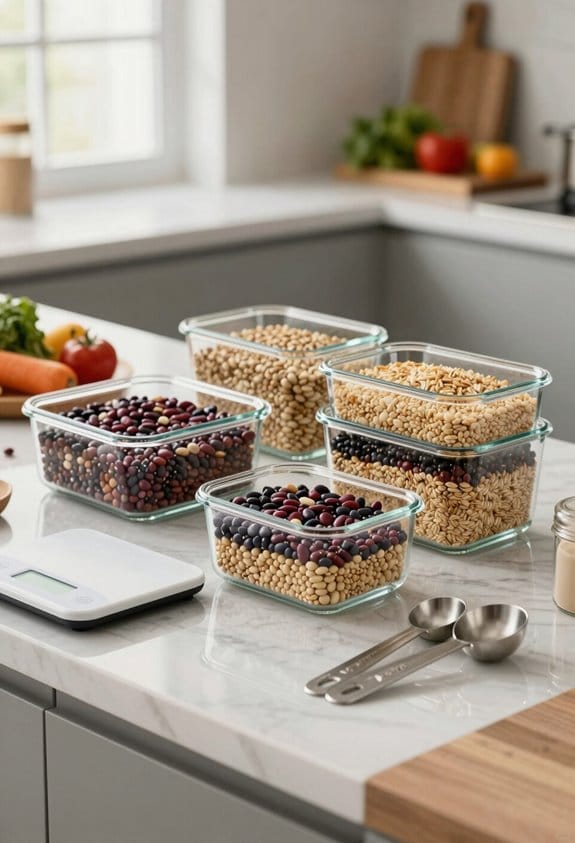
So why does this matter? You get to enjoy your meals more and keep your budget in check. Taking a little time upfront to batch cook beans not only simplifies your life but also elevates your meals into nutritious dishes that everyone will love. Using stackable containers to store your batch-cooked beans can save space and keep your freezer organized.
In short, consider giving batch cooking a shot. You might find it’s a helpful addition to your kitchen routine. What’s your go-to way to use beans in your meals?
How to Prepare Beans for Soaking

Preparing beans for soaking might seem like a small task, but it’s pretty crucial if you want ’em to cook up evenly and taste amazing. Ever bought a bag of dried beans and found a few funky ones mixed in? That’s why sorting through them first is key. Look for any damaged beans or bits of debris and toss ’em out.
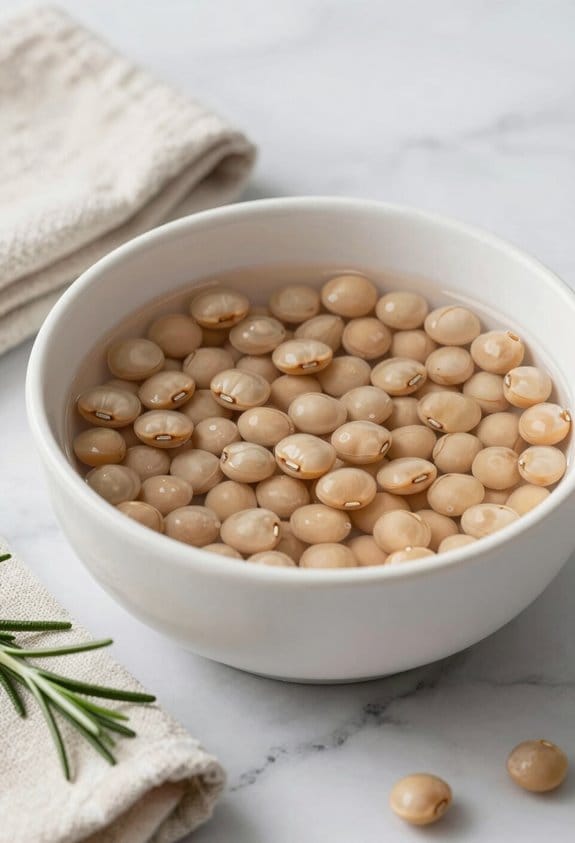
Once you’ve got a good batch, rinse the beans under cool water. You’d be surprised at how much dust and junk can stick to dried beans. After that, it’s time to soak. The golden rule is to use three times the water volume compared to the beans. If you’re soaking overnight, aim for 8-24 hours in warm water. Short on time? No worries—2-4 hours can still do the trick.
For bigger batches, consider grabbing a large container, like an 8-quart slow cooker. It’s easier and less messy. And don’t skip the final rinse before cooking! This part is important for reducing those pesky gas-producing sugars that can play havoc with your stomach. For optimal soaking and storage, using airtight containers with leak-proof lids helps maintain freshness and quality.
Why Rinsing Beans Matters
Have you ever wondered why your homemade bean dish sometimes leaves you feeling a bit gassy? Here’s the deal: after soaking those beans, it’s time to give them a good rinse. This step is more important than you might think.
Rinsing beans helps get rid of oligosaccharides—the compounds that can cause bloating and that uncomfortable digestive feeling. Plus, it’s a straightforward way to keep your beans clean and free from any leftover dirt or debris. Best of all, when you rinse them, you actually help them absorb the flavors of the seasonings and cooking liquids better. So, if you skip out on rinsing, you could end up with a dish that not only has an off-putting smell but also a bland taste.
So, what’s the best method? Just run your beans under cold water until the water runs clear. It’s so simple, but it makes a big difference.
Using tools made from eco-friendly materials can further enhance your cooking experience by preserving the natural flavors of your beans.
In short, taking a moment to rinse your beans can lead to a much better cooking experience. Why not add this easy step to your routine? Your taste buds will thank you!
Optimal Soaking Techniques for Enhanced Flavor and Digestibility
Have you ever cooked beans only to find they’re tough or hard to digest? Soaking them can actually make a big difference in both flavor and how your stomach feels afterward.
To get started, make sure you use about three times as much water as the amount of beans you have. This allows them to soak properly and expand. Try soaking your beans in warm water for anywhere between 8 to 24 hours. This process can reduce those pesky oligosaccharides that often lead to digestive woes.
If you’re working with black beans, consider adding a splash of apple cider vinegar or a pinch of baking soda to the soak. This little trick can really help with digestibility. After soaking, don’t forget to rinse the beans well, and be sure to toss out that soaking water. Trust me, doing this will help achieve the best flavor and texture in your final dish.
Additionally, using a stainless steel rice cooker can provide even heat distribution and ensure consistent cooking results when slow cooking your soaked beans.
Mastering Slow Cooking Techniques for Perfect Beans
When it comes to cooking beans, a slow cooker really does wonders for achieving that tender texture we all love. Have you ever noticed how some beans end up hard and chewy? Soaking them overnight can help with that. It not only makes them easier to digest but also cuts down on your cooking time. Just remember, for every 1 cup of dried beans, add about 2 to 3 cups of fresh water.
After soaking, toss them into your slow cooker and set it for 6 to 8 hours on high. Want to enhance those flavors? Try adding broth and spices! It makes a world of difference.
Here’s a tip: Keep an eye on the beans every 20 to 30 minutes after a couple of hours. You’ll want to check if they’re cooked to your liking. Honestly, this method leads to creamy, perfectly cooked beans that are ready to steal the show on your plate.
Additionally, choosing a slow cooker with programmable timer can help you achieve precise cooking without the risk of overcooking.
Wrapping this up, cooking beans doesn’t have to be a chore. With a little planning, you can enjoy delicious, velvety beans at your own pace. What will you pair your perfect beans with?
How to Perfectly Season Your Beans
How to Perfectly Season Your Beans
Ever find yourself cooking beans, only to taste them and wonder why they lack that punch of flavor? You’re not alone. Getting the seasoning just right can make a world of difference in your dishes.
First off, timing is key when it comes to seasoning. It’s a common mistake to wait until the end to add salt. If you do that, you’ll likely end up with tough skins. Instead, add your salt during the cooking process.
And here’s a tip: when you soak and cook your beans, try using broth instead of plain water. You’ll notice that simple switch brings a whole new level of flavor to your beans. Don’t be shy about getting a little adventurous—throw in some aromatic ingredients like onions and garlic. They add a warm backdrop of flavor that really elevates the dish.
Spices are your friends, too! Consider adding cumin, bay leaves, or smoked paprika to create unique flavor profiles. Each of these spices can transform your beans into something special—so don’t skip this step!
Now, let’s chat about kombu. You might be wondering what that is. It’s a type of seaweed that not only helps with digestion but also brings in a subtle umami flavor. Just toss a strip into the pot while cooking. Honestly, it’s a little trick I swear by.
For even better results, using tools with ergonomic handle design can make the preparation process more comfortable and efficient.
Smart Storage Solutions for Cooked Beans
After whipping up a delicious batch of beans, you might wonder how to keep that mouthwatering flavor around for a few extra days. Storing cooked beans in an airtight container in the fridge is key to maintaining their freshness. Aim for a 3- to 5-day window to enjoy them without any funky smells.
Want to stretch their life even further? Freezing is the way to go! Portion out about 2 cups per bag for easy meal prep later on. When you stash them in the freezer, keep that cooking liquid; it really helps with both texture and flavor when you reheat. And don’t forget to slap a label on each bag with the bean type and the date.
Honestly, it’s tempting to keep reheating beans over and over, but try to resist the urge. Just heat what you need for each meal. It’ll help maintain their quality, and no one likes mushy beans, right?
For best results, consider using airtight containers designed to preserve freshness and prevent spills when storing your cooked beans.
Freezing Beans for Future Convenience
Have you ever found yourself scrambling to figure out what to make for dinner, only to discover you’re out of beans? Freezing cooked beans can solve that problem and make your life a whole lot easier.
Try this: Cook a big batch of your favorite beans and then portion them out into containers that hold about 2 cups each. This makes it super convenient to grab what you need whenever you want to whip up a meal. A little tip—freeze them in their cooking liquid! Doing this helps keep their texture and flavor intact, so they taste just like you made them fresh.
Don’t forget to label your containers with the type of beans and the date you froze them. Honestly, this simple step can save you from confusion later on. Cooked beans can stay good for up to six months in the freezer, which means you can prepare meals in a snap and do your part to reduce food waste.
When you’re ready to use your frozen beans, there are a couple of easy options. Either let them thaw at room temperature or toss them straight into soups for a quick reheat. So, why does this matter? It means less time worrying about what to cook and more time enjoying your meals!
In addition, using a vacuum sealer can extend the freshness of your frozen beans further and prevent freezer burn.
To sum it up, freezing beans is an easy way to keep them handy for your cooking needs. Have you tried freezing beans before? If not, give it a shot!
Tips for Enjoying Your Batch-Cooked Beans
How many times have you cooked up a big batch of beans only to wonder how to keep them interesting throughout the week? Trust me, you’re not alone. Here are some simple ways to make the most of your batch-cooked beans.
First off, always store your cooked beans in their cooking liquid. This little trick helps keep their flavor intact and they’ll stay fresh in the fridge for about 3-5 days. If you find yourself with more beans than you can use, don’t stress! Just freeze them in portion-sized containers for easy meals later on. Just think how convenient it’ll be to have pre-cooked beans ready to go. When you’re ready to use them, you can thaw them in warm water or toss them straight into soups and stews for an instant protein hit.
Now, let’s talk about versatility. You can add cooked beans to salads for extra protein, wrap them up in a tortilla for a quick snack, or serve them as a side dish. Not only do they add a rich, creamy texture, but they also bring loads of nutrients to your meal. So why not experiment with a mix of different beans? The variety will give your dishes a fun twist while boosting flavor and health benefits.
Honestly, keeping things fresh can be a challenge, especially when you’re cooking in bulk. But with a bit of creativity, you can easily make your batch-cooked beans the star of your meals all week long.
Using high-powered kitchen appliances like a 900-watt motor blender can help you whip up delicious bean dips or spreads quickly to accompany your beans.
What’s your favorite way to use beans in your cooking?
Frequently Asked Questions
What Types of Beans Are Best for Batch Cooking?
For batch cooking, we love black beans, kidney beans, pinto beans, navy beans, and cannellini beans. Chickpeas offer great benefits too! Each has unique flavors, nutrition, and cooking times, making them perfect for storage and meals.
Can I Batch Cook Canned Beans Instead of Dried?
Absolutely, we can batch cook canned beans! They’re convenient and offer impressive nutritional benefits. Cooking times are reduced, so let’s focus on flavor enhancements and seasoning suggestions for tasty meal planning and portion control strategies.
How Long Can Cooked Beans Be Kept in the Fridge?
Cooked beans can be stored in the refrigerator for about 3 to 5 days. Always check for spoilage signs; for longer storage, freezing them in the best containers preserves their texture and flavor.
What Is the Best Way to Reheat Frozen Beans?
Ever wondered how to enjoy delicious frozen beans again? We can reheat them using stovetop methods or the microwave. Utilizing proper freezing methods guarantees texture preservation and flavor enhancement, providing convenient meal prep and serving suggestions for everyone.
Are There Any Special Tools Needed for Slow Cooking Beans?
We don’t need many special tools for slow cooking beans. A slow cooker works wonders, enhancing flavors while being energy efficient. Plus, mastering bean soaking techniques and having proper storage options are essential for our meal prep strategies.


