As an Amazon Associate, we earn from qualifying purchases. Some links on this site are affiliate links at no extra cost to you. Our recommendations are based on thorough research and editorial judgment.


How to Convert Slow Cooker Recipes to Instant Pot Pressure Settings

Got a slow cooker recipe but want to whip it up faster in your Instant Pot? You’re not alone! It can be tricky to figure out the right timing, but I’ve learned a few tricks along the way.
You may be interested
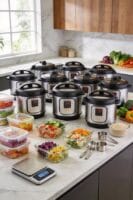
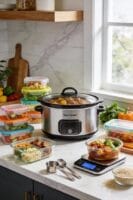

First off, you’ll need to significantly reduce cooking times. Think about cutting those slow cooker hours down to about 25-30 minutes in the Instant Pot, but don’t forget that it can vary based on what you’re cooking.
It’s also super important to add at least 1 cup of liquid to keep things from burning. No one wants a scorched dinner!
If you’ve got tougher cuts of meat that you’re working with, here’s a tip: chop them into smaller pieces. This helps them cook more evenly, so you won’t end up with some pieces overdone and others still chewy.
And if your recipe calls for dairy, like cheese or cream, wait until after cooking to add it in. This keeps your textures just right.
Honestly, converting recipes isn’t always straightforward, but with a little practice, you’ll get the hang of it. Keep these tips in mind, and feel free to explore more about how to get the most out of your Instant Pot!
So, what’s the first recipe you’re going to try in your Instant Pot?
Key Takeaways
- Reduce cooking time from 7-8 hours in a slow cooker to 25-30 minutes in an Instant Pot.
- Ensure at least 1 cup of liquid is added to the Instant Pot for pressure cooking.
- Add tougher cuts of meat cut into smaller pieces for even cooking and tenderness.
- Incorporate vegetables towards the end of cooking to prevent overcooking and maintain texture.
- Avoid adding dairy during pressure cooking; include it after the cooking process for a smooth finish.
Essential Tips for Adjusting Cooking Times and Liquid Levels
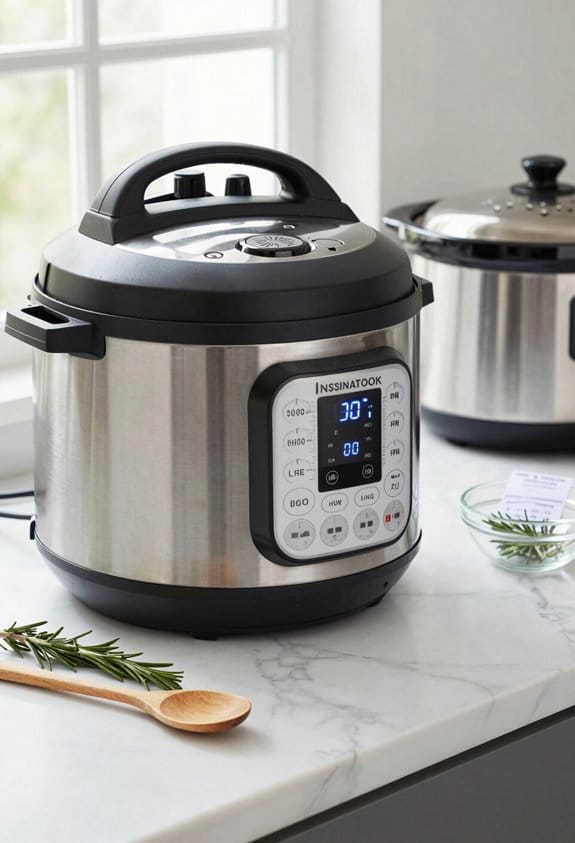
Switching recipes from a slow cooker to an Instant Pot can be tricky, especially when it comes to cooking times and liquid levels. Ever looked at a recipe and thought, “How is this going to work?” Well, here’s the scoop: an 8-hour slow cooker dish might only need 25-30 minutes in an Instant Pot. That’s a serious time saver!
One important thing to remember is that you should always have at least 1 cup of liquid in your pot. This is crucial because the steam is what builds up pressure and cooks your food. Plus, if you’re using tougher cuts of meat, you’ll want to keep the cooking time shorter. A little tip? Add your veggies in the last 10 minutes of cooking to prevent them from turning into mush.
Now, let’s talk about liquid levels. Depending on what you’re cooking, you might need to be a bit more precise. For something like grains or beans, accurate measurements are key, while soups can get a little more flexibility. Do you want a thicker soup or a brothier one? Adjust accordingly!
Using devices with precise temperature control, similar to immersion circulators, can help in achieving consistent cooking results with your Instant Pot.
Key Differences Between Slow Cookers and Instant Pots

Have you ever found yourself in a cooking rut, wondering how to speed up your meal prep without sacrificing flavor? Let’s dive into the differences between slow cookers and Instant Pots; understanding these can definitely change your cooking game.
First off, cooking time is a biggie. If you’ve got hours to spend on dinner, a slow cooker is your best friend. But if you’re short on time, an Instant Pot can help you whip up a hearty meal in a fraction of that time. A recipe that may take 8 hours in a slow cooker can be ready in just 45 minutes to an hour when you use a pressure cooker. That’s a massive difference, especially on busy weeknights.
And don’t forget about liquid! Instant Pots need at least 1 cup of liquid to work properly, while slow cookers can manage with less. This is crucial to keep in mind if you’re adapting your favorite recipes. Also, when it comes to meat, Instant Pots are unmatched; their high pressure cooks tougher cuts quickly and leaves them tender. Slow cookers, with their gentler heat, can’t quite do that in the same way.
Now, let’s talk about that sauté feature. This is a neat trick: you can brown your meat before pressure cooking, which adds a layer of flavor to your dish that you might miss out on with a slow cooker. It’s these little steps that can elevate your meal.
Finally, think about how you handle releasing steam. For meats, you might want to let the pressure release naturally, which is gentler and keeps the meat juicy. For more delicate veggies, a quick release is the way to go to avoid overcooking. So, why does this matter? Because a little attention to cooking methods can make all the difference in your dish’s final outcome.
In a nutshell, knowing when to use an Instant Pot versus a slow cooker can save you time and help you make more delicious meals. What’s your go-to choice when you’re in a pinch?
Additionally, choosing a slow cooker with features like programmable timers can help you better manage cooking times when transitioning recipes between appliances.
Benefits of Using an Instant Pot for Slow Cooker Recipes

Got a busy schedule but still want to enjoy a hearty home-cooked meal? Using an Instant Pot for slow cooker recipes might just be the solution you need.
One of the biggest perks is how it slashes cooking time. Those slow-cooked recipes that usually take 7-8 hours can be ready in under an hour. Imagine coming home after a long day and having a warm meal waiting for you without all that long wait!
Another cool feature is the necessity for at least 1 cup of liquid for pressure cooking. This isn’t just a random requirement; it helps keep your meat and veggies tender and packed with flavor. Plus, the sauté function is a lifesaver—it lets you brown your meats and veggies right in the pot. This means less cleanup afterward, which we can all appreciate!
And here’s something you probably didn’t expect: you can cook frozen ingredients without thawing them first. This can save you a ton of time when you forget to prep your ingredients the night before—who hasn’t done that?
Truth is, shorter cooking times can also help keep more nutrients in your food. So, you’re not just saving time; you’re also making healthier meals for yourself and your family. It’s a win-win on so many levels!
Additionally, many Instant Pots come with multiple cooking functions, allowing you to prepare a variety of meals beyond just slow cooker recipes.
In short, using an Instant Pot can really change the way you approach meal prep. Have you tried it yet? What’s your go-to recipe?
Ingredient Handling Tips for Instant Pot Conversion
Making the switch from a slow cooker to an Instant Pot can be a bit tricky, especially when it comes to handling your ingredients. Ever wonder what makes all the difference?
To start off, always remember to add at least 1 cup of liquid when you’re pressure cooking. If you skim over this, the pot won’t build enough pressure, and that’s a real bummer. When it comes to tougher cuts of meat, slice them into smaller pieces. Trust me, this really helps them become tender and delicious, just the way you want them.
Now, if you’re thinking about using dairy products like milk or cream, hold your horses! It’s best to wait until the end of the cooking process to add those in. Adding them too early can cause scorching and clumping, and no one wants that in their meal.
And when it comes to thickeners like flour or cornstarch, if you typically toss them in before cooking, you might want to rethink that strategy. Skip them during pressure cooking and mix them in afterward for that perfect consistency.
Finally, always keep an eye on how much you’re putting in the pot. Try not to exceed the 2/3 maximum fill line. This is a biggie for both safety and achieving the best cooking results.
Also, using durable materials like stainless steel or BPA-free silicone utensils can improve safety and ease when handling hot dishes in your Instant Pot.
In short, handling your ingredients the right way can make all the difference in your dishes. What’s your go-to ingredient tip for Instant Pot cooking?
Step-by-Step Guide to Perfecting Your First Conversion
Have you ever tried to swap out your slow cooker for an Instant Pot and felt a bit lost? You’re not alone! Converting those beloved slow cooker recipes can seem tricky, but with a few tweaks, you can nail it.
First things first, you really need to cut down on cooking time. A dish that takes 7-8 hours on low in a slow cooker? You’ll be looking at just 25-30 minutes on high pressure in the Instant Pot. Just keep in mind to add at least one cup of liquid from your original recipe or you risk the dreaded burn message—nobody wants that!
When it comes to tougher cuts of meat, here’s the trick: cook the meat separately first. Then, about 10 minutes before it’s all done, toss in your veggies. This simple technique really helps everything come out tender and tasty. And don’t forget, chicken breasts usually need about 10-12 minutes to cook through.
Now, truth is, you should skip any dairy during the actual cooking phase. Instead, add it in afterward to keep your dish creamy without the risk of it curdling or changing texture.
For healthier meals, consider using steam cooking methods to retain nutrients while preparing your ingredients in the Instant Pot.
Troubleshooting Common Issues With Instant Pot Conversions
Converting slow cooker recipes to work in your Instant Pot can be a bit of a puzzle sometimes. Ever found yourself staring at your Instant Pot, wondering why it just threw a burn error? To prevent that from happening, always remember to add at least 1 cup of liquid when you cook. And if you’re used to those long, slow cooker hours, here’s a quick tip: an 8-hour slow cooker cook time usually turns into just 30-45 minutes under pressure.
Now, there’s another catch with dairy. You’ll want to skip adding any milk, cream, or thickening agents during the cooking process. Instead, toss those in later for a perfect, smooth finish. If you happen to see that dreaded “burn” message, take a moment to check if your pot is filled to the maximum fill line. As a rule of thumb, try not to overfill past the 2/3 mark.
Vegetables can be tricky too. If you want them to stay nice and crisp, cook those tougher ingredients first, then add your quick-cooking veggies later on. This simple trick really makes a difference in texture—who doesn’t love a good crunch?
For precision in ingredient measurements, using a milligram scale can enhance the accuracy of recipes and improve cooking results.
Frequently Asked Questions
Do Slow Cooker Recipes Work in Instant Pot?
Can slow cooker recipes really work in the Instant Pot? Absolutely! With some recipe adjustments, we can enjoy slow cooker benefits and instant pot versatility, while managing cooking times, flavor differences, and texture changes seamlessly together.
How to Convert a Recipe for Instant Pot?
To convert a recipe for the Instant Pot, we’ll focus on safety considerations, adjusting cooking times and liquid ratios, and making flavor adjustments. Also, we’ll account for texture changes and proper pressure release techniques.
How Long in Instant Pot if 4 Hours in Crockpot?
If we cook a meal that takes four hours in a crockpot, let’s aim for about 25-30 minutes in the Instant Pot. We’ll guarantee proper liquid ratios and cooking times for perfect flavor and texture outcomes.
Is the Instant Pot Slow Cook Setting the Same as a Slow Cooker?
The Instant Pot’s slow cook setting isn’t quite the same as a traditional slow cooker. We’ll notice cooking time adjustments, flavor differences, and user preferences affecting recipe consistency, but its versatility and energy efficiency are undeniable benefits.


