As an Amazon Associate, we earn from qualifying purchases. Some links on this site are affiliate links at no extra cost to you. Our recommendations are based on thorough research and editorial judgment.


The 7 Mistakes That Are Ruining Your Slow Cooker Pot Roasts

Ever tried to make a slow cooker pot roast and it came out tough or dry? You’re not alone. A lot of us trip over the same hurdles when it comes to these hearty meals. Here’s a little advice that can help steer you clear of common mistakes.
You may be interested
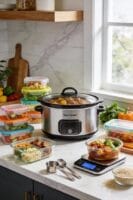


First off, there’s the size of your slow cooker. If you’re cooking for just a couple of people, a four-quart model usually does the trick. Picking the right size is important because cramming too much in can mess with cooking times. And nobody wants a dry piece of meat on their plate, right?
Speaking of cooking times, overcooking your roast can lead to disappointment. On the flip side, undercooking it leaves you with a tough bite that no amount of gravy can save. So it pays to keep an eye on the clock and know when to pull it out.
Another tip? Keep your lid on during cooking. Trust me, lifting it even once can let all that delicious heat and moisture escape.
If you want a killer flavor, searing your meat before you toss it in the cooker is a must. Not only does it add depth to the taste, but it also promotes that lovely browning we all love.
And don’t forget about your veggies! Layer them properly in the pot. They should sit beneath the meat to ensure they soak up all those flavorful juices without turning mushy.
To sum it all up, a little attention to detail can totally transform your pot roast experience. It’s all about the right size, timing, and technique. So, what’s your next comfort meal going to be?
Key Takeaways
- Select an appropriately sized slow cooker to ensure even cooking and flavor absorption for your pot roast.
- Monitor cooking times to avoid overcooking, which can lead to dry and tough meat, or undercooking that yields chewy results.
- Reheat leftovers safely by using the stovetop or microwave; avoid frozen leftovers to minimize foodborne illness risks.
- Sear meat before slow cooking and layer ingredients properly for enhanced flavor and even cooking.
- Keep the lid closed during cooking to maintain heat and moisture for a tender and flavorful pot roast.
Avoid Oversized Slow Cookers for Perfect Pot Roasts
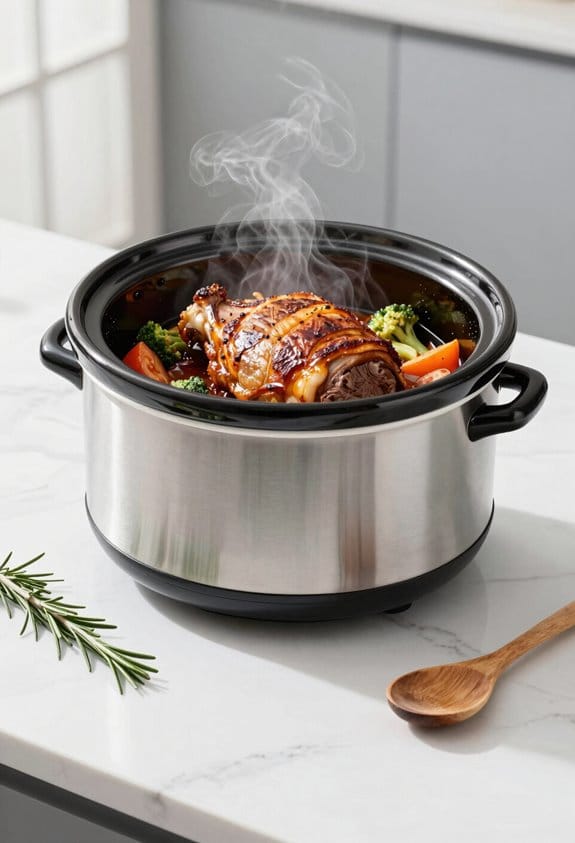
When you’re making a pot roast in a slow cooker, have you ever noticed how important it is to pick the right size? Using an oversized slow cooker can throw everything off. It often leads to uneven heating, making the roast cook too quickly. This can really mess with those ideal cooking temperatures that turn your meat into tender, flavorful bites.
Try this: if you’re cooking for a smaller crowd, a snug four-quart slow cooker is usually perfect. It maintains steady cooking conditions, which helps avoid those dreaded leftover disasters. Plus, smaller portions break down well and really soak up all those delicious flavors. So, why even consider that bulky cooker for a big meal?
Honestly, choosing the right size slow cooker can save you both time and effort in the kitchen. Trust me, sticking with the right fit for your pot roast can make a world of difference. You want to enjoy that meal every time, right? Many slow cookers come with programmable timers that can help maintain consistent cooking for the best results.
What Happens If You Overcook Your Roast?

Have you ever pulled a roast from the oven only to find it dry and tough? It can be such a letdown, right? Overcooking your roast might not seem like a big deal, but it can really ruin your meal. When meat is cooked too long, it loses the moisture that keeps it tender and juicy. Instead, you end up with a tough texture that makes every bite a chore.
What happens is the muscle fibers break down, and the collagen, which is supposed to melt and create that lovely tenderness, just becomes mushy instead. And let’s be real—no one wants a plateful of bland meat. If you’re not careful, the rich flavors you season with can get diluted from all that extra time in the heat.
So, how do you avoid this culinary disaster? Keeping an eye on your cooking times is key. Some pot roasts can withstand a longer cooking period, while others really need to be watched closely. Here’s a trick: using a meat thermometer can help take the guesswork out of it. They’re more reliable than you think!
Additionally, choosing a cooker with multiple preset options can simplify the process and prevent overcooking.
In the end, the goal is to enjoy a roast that’s both flavorful and tender. Just a little attention can make a world of difference. Next time you’re cooking, what’s your go-to method to ensure your roast comes out perfect?
Why Not Cooking Long Enough Can Ruin Your Pot Roast?
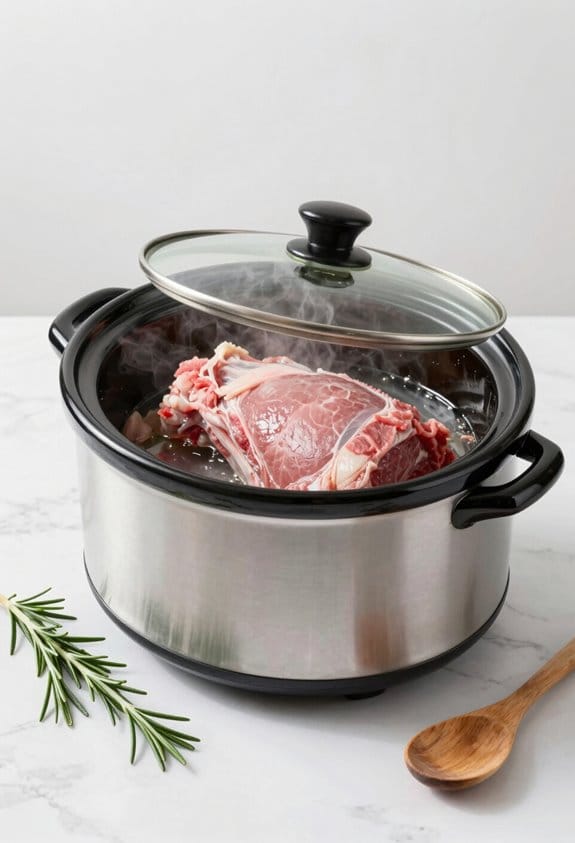
Have you ever pulled a pot roast out of the oven only to find that it’s tough and chewy? It’s frustrating, isn’t it? But the truth is, not cooking your pot roast long enough can really ruin the whole dish. Tough cuts of meat need that time to break down, which is why rushing things isn’t the answer.
Aim for about 6 to 8 hours of slow cooking on low heat. This isn’t just a guideline; it’s a must if you want that perfectly tender roast. Cooking it this way not only makes the meat fork-tender but also allows all those incredible flavors to blend together. You want your pot roast to be a warm hug on a plate, right?
If you pull it out too early, you’re left with something that’s chewy and less enjoyable. Try this: before serving, always check for that tenderness. It’s worth the wait! Using a slow cooker with adjustable temperature settings ensures you maintain the ideal heat for perfect results.
Avoid Reheating Leftovers in Your Slow Cooker
Is there anything more comforting than a good pot roast? But when it comes to reheating those delicious leftovers in a slow cooker, it can get a bit dicey. You’re not alone if you’ve wondered about the safest way to do it—after all, no one wants to deal with foodborne illness!
Here’s the deal: the slow cooker’s method can leave your food in the temperature danger zone of 40°F to 140°F for too long. When perishable foods hang out in that zone, it opens the door for bacteria to grow. So, what can you do?
Try this: when you’re working with leftovers that have a lot of liquid like soups or sauces, bring them to a boil on the stovetop first before moving them into the slow cooker. This ensures you’re heating them safely and efficiently. For those non-brothy leftovers, the microwave is often your best bet. It heats food quickly and gets it to a safe internal temperature without a long wait.
And let’s be clear—skip the frozen items in the slow cooker! Those take an eternity to thaw and can become a breeding ground for harmful bacteria. You definitely want to keep your meals safe and tasty. Incorporating automatic shut-off features during reheating can further enhance food safety by preventing overcooking and bacteria growth.
Why Keeping the Lid Tight Improves Slow Cooking Results
Are you tired of pot roasts that just don’t turn out right? One of the biggest secrets to perfecting your slow-cooked meals is keeping that lid tight! It may seem simple, but I can’t tell you how many times I’ve lifted the lid out of curiosity, only to regret it later.
When you keep the lid sealed, it helps maintain steady cooking temperatures. This means your roast gets cooked evenly all the way through. But the moment you peek inside, you’re letting steam and heat escape, which can throw off the cooking time and lead to that dreaded unevenness.
Plus, there’s something magical about the natural juices from your ingredients staying in the pot. They keep your dish moist and boost the flavors. How frustrating is it to spend hours preparing a meal, only to lift the lid a few times and end up with chewy, tough meat? So, here’s the trick: resist that urge to check on it too often.
Consider it this way: each time you lift the lid, it disrupts the cooking process a bit more, making it harder to achieve that tender, fall-apart texture we all crave. Instead of hovering over your slow cooker, set a timer and let it do its thing.
At the end of the day, keeping the lid tight is all about letting the magic of slow cooking happen. Using a slow cooker with a tempered glass lid can help maintain moisture and flavor by providing a better seal. So the next time you’re whipping up a pot roast, remember that sealed lid means tastier, juicier meals. What delicious dish will you cook with that in mind?
Prep Ingredients: Thaw Meat & Cut Veggies Evenly
Have you ever started cooking only to realize your meat’s still frozen? It can really throw off your whole meal plan. To avoid that headache, it’s super important to thaw your meat well ahead of time. This not only keeps your food safe from bacteria but also makes sure it cooks evenly. Plus, thawed meat doesn’t release excess liquid, which can turn your delicious dish into a soggy mess.
Once that meat’s ready to go, let’s tackle those veggies. Cutting them into uniform pieces might seem like a small detail, but it can make a big difference in the final result. Think about it: when your veggies are roughly the same size, they cook evenly, preventing some from turning mushy while others stay crunchy. You want the flavors and textures to blend just right in your pot roast.
And here’s the trick: try to aim for consistent sizes, whether you’re chopping carrots, potatoes, or any other veggies. This little prep step boosts not only the texture but also the overall flavor of your meal. So, before you dive into the cooking process, take a little time to get your ingredients ready. It pays off in the end! Using multi-cooking functions like steaming vegetables alongside your slow cooker can enhance your meal preparation.
Why Searing Meat and Layering Ingredients Matters
Ever had a pot roast that just didn’t hit the mark? It’s frustrating when you spend time cooking, only to end up with a bland or mushy dish. Let’s get into why searing the meat and layering your ingredients properly makes all the difference in your slow cooker pot roast.
First off, searing meat isn’t just a fancy step to impress anyone; it adds a whole lot of rich, caramelized flavor. That browning action creates a depth of taste you won’t get if you skip it. So, take the time to give that beef a nice sear, and trust me, you’ll be glad you did.
When it comes to layering your ingredients, pay attention to the order. Start with hearty veggies, like potatoes and carrots, on the bottom. This not only ensures even cooking but also keeps the more delicate veggies from turning mushy. Here’s the trick: place the meat on top. As it cooks, the fat and juices from the meat will baste those sturdy veggies, really infusing them with flavor.
Now, when you’re ready to add liquid—hold off for a minute! Pour it in after your initial layering. This way, you maintain moisture without drowning everything right at the start. And don’t forget about those delicate veggies. Toss them in toward the end of cooking to keep their crispness intact.
For an added boost of flavor and healthy cooking techniques, consider incorporating a bamboo steamer basket, which allows you to gently steam vegetables while your pot roast simmers.
Frequently Asked Questions
What Are Common Mistakes When Making Crockpot Roast?
When making crockpot roast, we often overlook beef cuts, seasoning blends, and liquid ratios. We might misjudge cooking time, temperature settings, or ingredient layering, and forget to sear meat for maximum flavor development. Let’s avoid that!
What Foods Should You Never Put in a Slow Cooker?
Think of a slow cooker like a delicate symphony; we should avoid frozen ingredients, starchy foods, cooked pasta, dairy products, lean meats, seafood dishes, fragile vegetables, bread dough, canned proteins, and delicate herbs for harmony.
What Is the Secret to a Good Pot Roast?
The secret to a good pot roast is using the best cuts, browning meat, and selecting vegetables. We should season well, marinate, control cooking times, and adapt broth flavors to create tender meat and flavorful dishes.
Does Everything Need to Be Covered in Liquid in a Slow Cooker?
They say, “Too much of a good thing can be bad.” Not everything needs full coverage in liquid; we can adjust liquid levels for flavor intensity, ingredient absorption, and meat tenderness while ensuring safety standards are met.


