As an Amazon Associate, we earn from qualifying purchases. Some links on this site are affiliate links at no extra cost to you. Our recommendations are based on thorough research and editorial judgment.

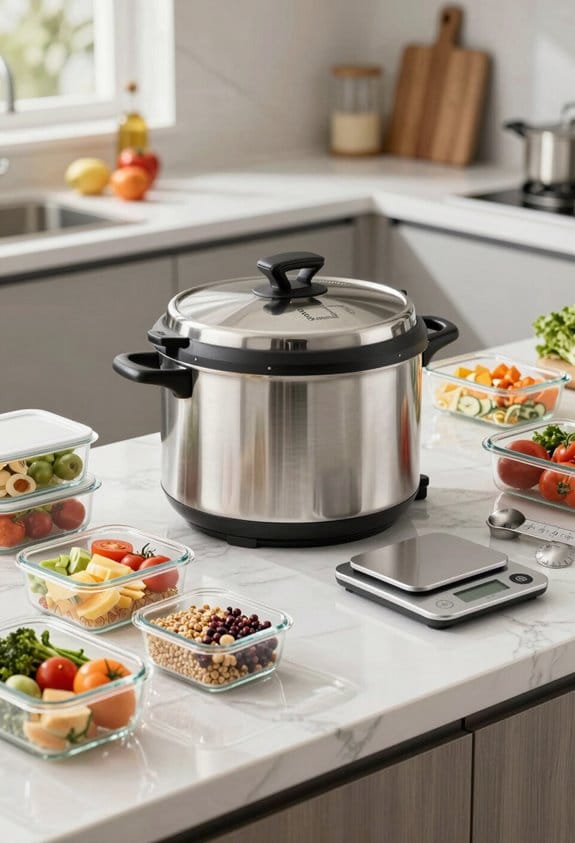
Removing Hard Water Stains From Stainless Steel Multi-Cooker Pots

Ever found your favorite stainless steel multi-cooker covered in pesky hard water stains? It’s a real bummer, isn’t it? But don’t fret, removing those stains doesn’t have to be a headache.
You may be interested



Try this: grab some Bar Keepers Friend. Just sprinkle it on the stained area, mix a bit with gentle dish soap and water to form a paste, and let it sit for a few minutes.
Afterward, scrub it gently with a non-abrasive sponge—this part makes a difference! Rinse well and then dry it off. For those stains that are tougher to tackle, you might want to boil equal parts of water and vinegar in the pot. It really works wonders.
Regular cleaning and drying are key here. Are you really going to let those stains ruin your kitchen aesthetics? A little bit of maintenance goes a long way, keeping your cookware looking great.
So remember, next time you notice those stubborn stains, you know just what to do. What’s your go-to cleaning tip for keeping kitchenware in shape?
Key Takeaways
- Use Bar Keepers Friend to effectively remove hard water stains from stainless steel multi-cooker pots by scrubbing gently along the grain.
- Create a vinegar and water solution to soak the pots and dissolve tough stains before rinsing and drying promptly.
- Make a baking soda paste with water for stubborn stains, applying it and scrubbing gently with a non-abrasive sponge.
- Regularly clean pots immediately after use to prevent mineral buildup and always dry them thoroughly to avoid water spots.
- Avoid harsh chemicals and steel wool to maintain the integrity and shine of your multi-cooker pots.
What Are Hard Water Stains and Why Do They Occur?
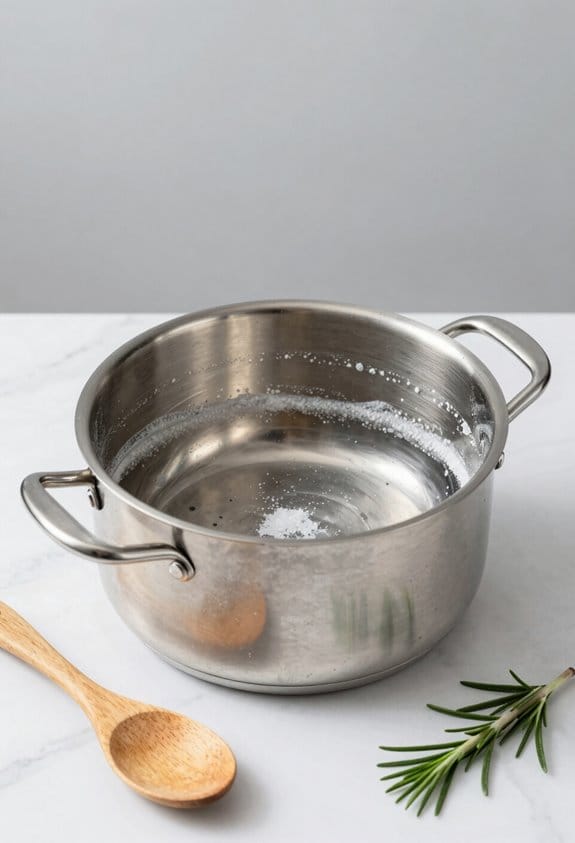
Ever noticed those annoying, chalky stains on your stainless steel pots after cooking? Those pesky hard water stains are the result of mineral deposits—mainly calcium and magnesium—from the water you used. When hard tap water evaporates, it leaves behind a residue that clings to your cookware.
If you don’t tackle those stains right away, they can really build up. Not only can this make your pots look a bit grimy, but it can also create a breeding ground for bacteria. So, what can you do to keep your pots looking shiny and clean?
Try this: wash your stainless steel cookware immediately after use. A quick scrub with warm, soapy water does wonders. You’ll save yourself the hassle of dealing with tough stains later on. And who wants that? Keep those pots in tip-top shape, and you’ll enjoy cooking even more.
For best results, also ensure your cookware is made from rust-resistant materials to withstand frequent cleaning and maintain its shine.
Causes of Calcium Deposits in Your Cookware
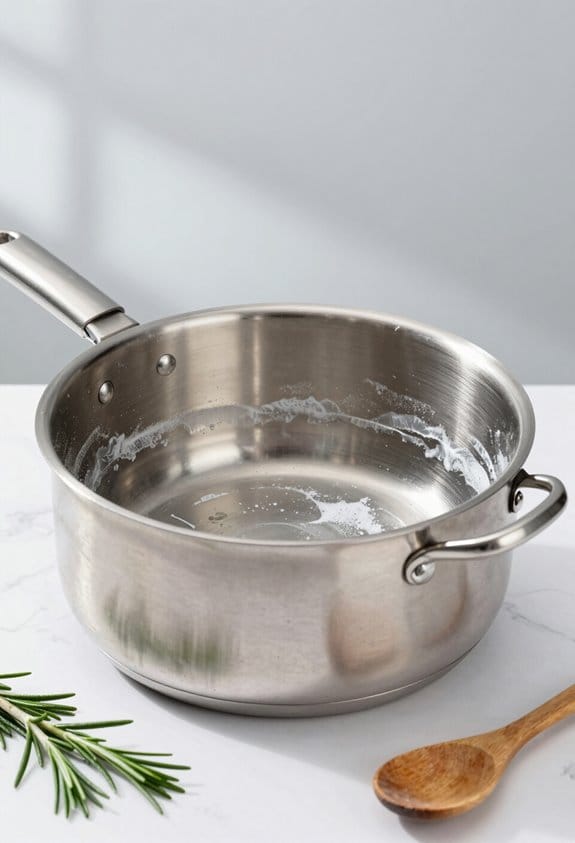
Do you ever notice those annoying white stains on your cookware after washing? It’s more than just an eyesore—it’s calcium deposits from hard water. When that tough water evaporates, it leaves behind a chalky residue that settles on your stainless steel surfaces. While those hard water spots won’t make you sick, they can definitely dampen the look and performance of your cherished pans and pots. If you find yourself avoiding that stubborn buildup, let’s talk about how to keep it at bay.
Try this: clean your cookware after every single use. It sounds like a lot, but a quick wash and dry can work wonders. Honestly, skipping this step just lets those calcium deposits dig in deeper, making them harder to get rid of later. Just think about it—no one wants to spend their evenings scrubbing pots. Taking a few moments to wipe them down immediately can save you a lot of time and frustration later.
So, why does this matter? Keeping your stainless steel cookware pristine not only looks better, but it can also improve how your food cooks. With less buildup, heat distributes evenly and you can avoid those unwelcome surprises when you’re trying to whip up your favorite recipes.
The best part is, it doesn’t have to be complicated. Just make it part of your kitchen routine, and soon enough, you’ll forget those pesky water stains existed at all. Trust me, your cookware will thank you for it!
In short, keep your pots clean and dry to avoid calcium deposits. Using dishwasher safe cookware can also support easier and more thorough cleaning. What simple changes could you make in your routine to help maintain your kitchen gear?
Top Cleaners for Effectively Removing Hard Water Stains
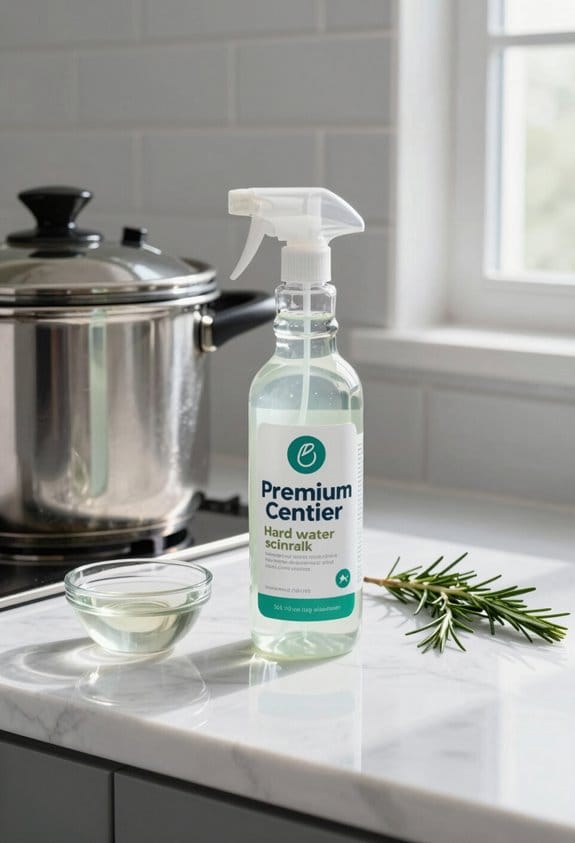
Dealing with hard water stains on your stainless steel cookware can feel like a never-ending battle, right? Those marks can be frustrating, but I’ve found some cleaners that really make a difference.
Try this: Bar Keepers Friend is a fantastic option. It’s non-abrasive, which means it won’t scratch your cookware while lifting those annoying stains. If you’re into DIY solutions, mixing equal parts distilled white vinegar and water can work wonders. Just bring that mixture to a boil in the pot and watch the magic happen!
Noticing stubborn stains still hanging around? No worries—making a paste with baking soda and water can be incredibly effective. Spread that paste on the stains, let it sit for about 5-10 minutes, and then gently scrub with a non-abrasive sponge. Truth is, patience pays off here!
Always remember to dry your cookware right away with a soft cloth. It really helps to keep those hard water stains from coming back. Regular cleaning is key to a shiny kitchen! Stainless steel inner pots are preferred for their durability and even cooking, making it especially important to maintain their finish properly.
Step-By-Step: How to Remove Hard Water Stains With Bar Keepers Friend
Got hard water stains that just won’t budge? You’re not alone! It’s a struggle many of us face, especially on stainless steel surfaces like those multi-cookers we all love. Thankfully, I’ve got a simple and effective way to tackle those annoying stains using Bar Keepers Friend.
Start by sprinkling some Bar Keepers Friend right onto the stained area. The next step is easy: add a few drops of gentle dish soap and a little water to create a paste. Let that sit for about five minutes—this gives it some time to work its magic and loosen up the stains.
Here’s the trick: when you start scrubbing, use a non-abrasive sponge or a soft cloth. Always scrub in the direction of the grain to avoid scratching the surface. Trust me, this makes a difference in how your multi-cooker looks afterward. After you’ve scrubbed away those stains, remember to rinse it thoroughly with warm water to get rid of any leftover residue.
Finally, don’t skip drying it! Grab a soft cloth and wipe it down right away. This step helps prevent future staining. Keeping up with this routine means your multi-cooker will stay looking great for a long time!
For best results, consider models with dishwasher-safe stoneware, as they make regular cleaning and maintenance much easier.
Alternative Methods for Tackling Calcium Deposits
Dealing with calcium deposits can feel overwhelming, but I’ve got some simple tricks that can really help out. One go-to method is to boil a mixture of equal parts vinegar and water. It’s amazing how well this works to dissolve those pesky hard water stains that always seem to pop up.
Another handy tip is to whip up a paste using baking soda and water. Just apply it to the affected areas and let it sit for about 5 to 10 minutes before you give it a gentle scrub with a soft sponge. This can be a lifesaver for those hard-to-remove spots!
For those truly stubborn deposits, consider turning to non-abrasive cleaners like Bar Keepers Friend. It’s great for getting rid of tough stains without damaging your surfaces. And here’s a little reminder: regularly wiping down your clean stainless steel pans with a cloth soaked in vinegar can really help prevent future build-up. It’s small steps like this that keep your cookware looking top-notch!
Using nonstick ceramic coatings on your cookware can also reduce the chances of mineral deposits sticking stubbornly.
How to Keep Hard Water Stains at Bay on Your Stainless Steel Cookware
Are you tired of hard water stains ruining your beautiful stainless steel cookware? Trust me, you’re not alone. But keeping those pesky stains at bay isn’t as hard as it sounds. A few easy habits can make a significant difference!
First off, you really should wash your stainless steel pots and pans right after using them. Warm, soapy water is your best friend here. By tackling it while it’s still fresh, you’ll prevent hard water deposits from becoming a permanent fixture. Don’t forget to dry your cookware immediately after washing. It’s a small step that dramatically cuts down on stains.
Here’s a trick I swear by: mix equal parts water and white vinegar. Wiping down your cookware with this simple solution really helps break down any hard water stains that might be trying to cling on. Honestly, I usually skip the dishwasher altogether for my stainless steel. Hand washing gets the job done without risking the integrity of the material.
And for those tough stains that just won’t budge? Try boiling equal parts water and distilled white vinegar in the stained pot for a few minutes. It really works wonders before you grab your scrub brush.
To keep your kitchen completely organized and prolong the life of your cookware, consider using BPA-free food storage containers to store your ingredients and leftovers safely.
To recap, if you keep up with some good cleaning habits, your stainless steel cookware can really stay looking great. So, what’s holding you back from giving these tips a try?
Daily Maintenance Tips to Prevent Hard Water Stains
Have you ever cooked a delicious meal only to be greeted by ugly hard water stains on your stainless steel pots after? It can be so frustrating! Luckily, keeping your cookware in great shape doesn’t have to be complicated. Here are some tips that work well for preventing those pesky stains.
First off, wash your pots right after cooking with warm soapy water. I can’t stress enough how this simple step helps keep stains at bay. The sooner you tackle the cleanup, the less chance those stains have of setting in. Then, make sure to dry everything thoroughly with a soft cloth. This really helps eliminate moisture, which is responsible for those annoying calcium deposits.
When it comes to filling your multi-cooker, opting for distilled water is a smart move. Hard tap water can lead to a buildup of minerals, so the switch can make a big difference over time. And if things do start to look a bit grim, try mixing up a vinegar solution for regular cleaning. It’s really effective against hard water deposits. Additionally, using dishwasher-safe components can simplify cleanup and help maintain the pot’s finish over time.
Common Mistakes to Avoid When Cleaning Stainless Steel
Cleaning stainless steel cookware might seem easy, but it’s so easy to make mistakes along the way. Ever found yourself scrubbing away with steel wool? That can scratch your cookware and dull its shiny finish. Instead, opt for gentler sponges that won’t leave behind marks.
Also, have you ever poured cold water on a hot pan? It might feel like the right move to cool things down, but doing that can actually warp your cookware due to thermal shock. It’s just not worth the risk. And if you leave your pots soaking in the sink, you’re asking for water stains and scratches to settle in. It’s better to wash them right after using.
When you pick cleaning products, be cautious. Skip bleach or ammonia because those can corrode the protective surface. What works best? Always check the manufacturer’s care instructions—they know their stuff.
When to Replace Your Multi-Cooker: Signs of Wear
Are you wondering when you should toss out your old multi-cooker? It can be tough to know when it’s time for something new, but there are some clear signs of wear you can look for.
First off, take a good look at the exterior. If you see scratches, dents, or warped surfaces, that could mess with how stable it is when you’re cooking. And let’s talk about that non-stick coating—if it’s peeling or flaking, that’s a red flag for your health. Performance issues are another big clue. If your multi-cooker starts heating unevenly or struggles to keep the temperature steady, it might be time to send it packing.
You might even notice a burnt or rancid odor coming from the appliance. That’s a sign of internal degradation and it’s definitely a cause for concern. And if you’re scrubbing away at hard water stains that just won’t budge, that surface might be compromised.
Regular maintenance, including proper cleaning and checking the non-stick coating, is essential to extend your multi-cooker’s lifespan and ensure safe operation, as discussed in the Maintenance and Cleaning guidelines.
Keep these signs in mind so you can keep your stainless steel multi-cooker safe and ready for those culinary experiments! When was the last time you gave your cooking gear a close look?
Maintaining the Shine of Your Stainless Steel Cookware
Have you ever finished cooking and stared at those annoying hard water stains on your stainless steel cookware? It can really take away from the joy of cooking. To keep your pots and pans looking shiny and new, it’s a good idea to clean them right after use. It only takes a moment, but skipping this step can lead to stubborn deposits that are harder to deal with later.
Once you’ve washed your cookware, don’t forget to dry it off with a soft cloth. This helps prevent those pesky water spots, leaving your cooking surface gleaming. If you happen to come across some tough stains, try mixing equal parts of water and white vinegar. It’s surprising how well it works without harming the finish. And for a little extra shine, non-abrasive cleaners like Bar Keepers Friend do wonders while keeping that protective layer intact.
The best part? Cleaning along the grain of the stainless steel is key. Not only does it help avoid scratches, but it also preserves that beautiful shine. Additionally, using non-porous surfaces and proper cleaning methods ensures bacteria don’t harbor, keeping your cookware safe and hygienic. So, next time you’re washing up, think about how a few simple steps can keep your cookware looking fantastic.
In short, a quick clean right after use and a little extra care goes a long way in maintaining your stainless steel cookware. How do you keep your kitchen tidy?
Frequently Asked Questions
How to Get Rid of Calcium Buildup on Stainless Steel?
We’ve all faced calcium buildup on our stainless steel cookware. With effective natural remedies and cleaning solutions, like vinegar and baking soda, plus maintenance tips, we can keep our pots shining and in great condition.
What Does Vinegar Do to Stainless Steel?
Vinegar benefits stainless steel by dissolving mineral deposits and enhancing shine. For effective cleaning techniques, we can use it as a household remedy, ensuring proper maintenance tips for ideal kitchen hygiene and long-lasting cookware care.
Does Dawn and Vinegar Remove Hard Water Stains?
Yes, using Dawn’s effectiveness with vinegar’s benefits can effectively remove hard water stains. Together, they offer eco-friendly solutions for cleaning, promoting stainless durability and stain prevention when utilized with proper cleaning techniques.
How Do You Remove Calcified Hard Water Stains?
Like a magician, we can vanish hard water stains! For stainless steel, we’ve got eco-friendly cleaning methods: mix vinegar and water or use baking soda paste. Regular maintenance tips keep our kitchen appliances sparkling clean!