As an Amazon Associate, we earn from qualifying purchases. Some links on this site are affiliate links at no extra cost to you. Our recommendations are based on thorough research and editorial judgment.


How to Sharpen and Care for the Blades in Your Chopping Accessories

Ever struggled with dull knives when you’re just trying to whip up a quick dinner? We’ve all been there. Caring for your knives isn’t just about keeping them sharp; it’s about making cooking smoother and more enjoyable.
You may be interested


First off, when you wash your knives, do it by hand. Using soap and warm water works best, and remember to dry them immediately to prevent rust. It might feel like an extra step, but trust me, it saves you from dealing with rust later on.
Now, if your knife isn’t slicing smoothly, it’s likely time to sharpen it. The best way I’ve found is to use a whetstone at a 20-degree angle. Regular honing is also super important; it helps keep those edges aligned and ready to work.
Having a good storage solution makes a big difference, too. Instead of tossing your knives in a drawer where they can get banged up, consider using magnetic strips or a dedicated knife block. It keeps them safe and adds a nice touch to your kitchen.
And if you notice cutting feels tougher than usual or you see jagged edges, don’t ignore it—get that knife sharpened. Truth is, a sharp knife is not only safer but also makes cooking a lot more fun.
So remember, taking care of your knives is an easy way to improve your cooking experience. When’s the last time you checked on the sharpness of your blades?
Key Takeaways
- Regularly hone your blades with a honing rod to maintain edge sharpness and prolong their lifespan.
- Use whetstones or electric sharpeners to sharpen blades at an optimal angle of about 20 degrees.
- Clean blades by hand with dish soap and dry them immediately to prevent rust, especially for carbon steel.
- Store blades in magnetic strips or knife blocks to protect their edges from damage.
- Assess sharpness using the paper test; dull blades will tear rather than cut through the paper smoothly.
How to Properly Clean and Care for Your Knives

Cleaning and caring for your knives is super important if you want to keep them sharp and safe. Have you ever noticed how easily a dull blade can ruin your meal prep? To keep your knives in top shape, it’s best to wash them by hand with some degreasing dish soap and a dish brush. This little step helps get rid of any factory oils and food gunk left on them.
Rinsing with warm water is a must, and be sure to dry them off right away. This is especially crucial for those carbon steel blades, as they’re prone to rust if left wet. So, why does this matter? Because a rusty knife can not only be dangerous but can also mean you have to invest in a new one sooner than you want.
When it comes to cutting boards, try using softer ones like Hinoki or end grain larch. Hard surfaces can really do a number on the cutting edge of your blades, which is the last thing you want. And don’t forget about storing your knives! Keeping them safe in magnetic strips or a knife block helps protect their edges from damage during everyday use.
Routine maintenance is key too. Regularly cleaning your blades and following the manufacturer’s care instructions can make all the difference in how long they last and how well they perform. Frankly, it might take a bit of effort, but it’s worth it when you can slice and dice effortlessly. Using a multi-stage sharpener can help maintain your knives’ optimal sharpness during routine care.
Knife Sharpening Tools and Techniques You Need

Ever tried slicing through a ripe tomato only to end up crushing it instead? Yep, we’ve all been there. Keeping your knives sharp isn’t just about having a fancy tool; it’s about making your cooking experience smoother and more enjoyable.
First off, let’s chat about the tools you’ll need. Whetstones, honing rods, and even electric sharpeners can be your best friends. Making it a habit to hone your knives with a steel or ceramic rod helps keep the edge aligned, and it’s a good practice to sharpen them when they start to feel dull. You know, the signs of dullness are pretty obvious—a struggle when cutting or uneven slices are major red flags.
Now, when you’re sharpening, here’s the trick: maintain a steady angle, around 20 degrees is ideal. This consistent angle not only helps you achieve a sharper edge but also extends the lifespan of your blade. If you’ve invested in high-quality knives, it might be worth your while to consider a professional sharpening service. They offer precise care tailored to your knife’s unique needs. Regular honing with high-carbon steel rods can significantly improve your knife’s longevity and cutting performance.
Best Practices for Safe Knife Storage
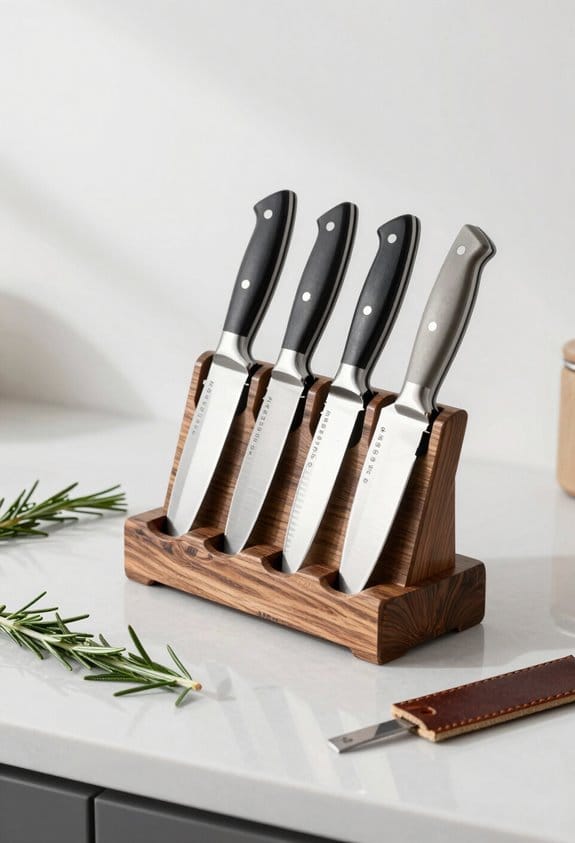
How do you keep your knives safe and sound when you’re not using them? Knife storage is a big deal, and it’s easy to overlook. Here’s the trick: consider options like magnetic strips, knife blocks, or protective sheaths. These choices do a great job of safeguarding your blades and minimizing any accidents that could happen around the kitchen. Tossing knives into drawers without any protection? That’s just asking for trouble—both for the knives and your fingers.
If you’ve got carbon steel knives, it’s especially important to store them in a dry place. Rust loves moisture, and you don’t want to wake up to your favorite knife covered in it. Lined drawers work wonders, keeping your knives in place and reducing movement. Also, remember to keep the knife edge elevated above the cutting board when storing. This little practice can prevent scrape damage, which means your blades stay sharp and ready for action next time you’re in the kitchen.
So, why does all of this matter? Well, knife maintenance is key to ensuring your tools last longer and perform better. Keeping them in good shape means fewer accidents, and you’ll enjoy working with them much more. Honestly, just take a moment to think about how you’re storing your knives. Are they well-protected, or are they more like a ticking time bomb in your kitchen drawer? Using magnetic knife strips is an excellent way to keep knives organized and secure while also protecting their edges.
Why You Should Maintain Your Knives Regularly
Ever grab a dull knife and find yourself wrestling with your veggies? It’s not just frustrating—it can be dangerous. Dull blades make you apply more force to cut, which increases the risk of slipping. That’s why keeping your knives maintained isn’t just a good idea; it’s crucial for safety in the kitchen.
So, how do you keep those blades sharp? Try this: sharpen them every few months or whenever you notice they’re starting to lose their edge. This is key to ensuring your knives perform at their best. Plus, a little honing between sharpenings can go a long way in keeping your knives ready for action. It’s like giving them a quick refresh, helping to extend their lifespan. Over time, this not only saves you money on replacements but also makes your food prep so much smoother.
Honestly, a well-tuned knife just makes everything easier and a bit more enjoyable. You’ll notice cleaner, more precise cuts, which can really elevate your cooking experience. And let’s face it—who doesn’t want to chop with confidence?
Regular maintenance, including sharpening and proper cleaning, is essential for edge retention and overall knife longevity.
How to Tell if Your Knife Needs Sharpening and the Best Care Tips?
When was the last time you tried to slice through a ripe tomato and ended up squishing it instead? It can be frustrating to realize your knife isn’t doing its job. To tell if it’s time for a sharpen, pay attention to how your knife feels while cutting. If it’s struggling with even the softest foods or leaves jagged edges, those are clues that it’s dull. A quick trick? Grab a piece of paper; if your knife tears rather than slices it cleanly, it’s definitely time for a sharpening session.
Regular maintenance helps keep your knives in great shape. Consider using a honing rod every few uses. It won’t sharpen your knife but will straighten the edge, making it feel sharper. So, here’s the deal: spend a few moments on maintenance regularly, and your knives will thank you.
Taking care of your knives goes beyond just sharpening. You want to hand wash them using a mild soap, and then make sure to dry them right away. No one wants rust ruining a good knife! And when storage comes into play, think about safety and preservation. Storing your knives in a magnetic strip or a sheath can help keep that sharp edge intact and avoid accidents.
Honestly, knife care may seem simple, but it’s all about those little habits that make a big difference. The next time you’re prepping a meal, you’ll appreciate how effortlessly a well-maintained knife can glide through ingredients. Having a dual-sided whetstone with varying grit levels can make a big difference in sharpening effectiveness. So, do you know when you’ll check your knives next?
Frequently Asked Questions
How Do I Sharpen Blades at Home?
To sharpen blades at home, we can use sharpening stones or honing rods for regular touch-ups. For convenience, electric sharpeners are great too. Let’s prioritize kitchen safety while practicing effective blade care and maintenance techniques!
Does Blending Egg Shells Sharpen Blades?
Blending eggshells doesn’t sharpen blades effectively, but it offers biodegradable sharpening agents for kitchen tool maintenance. While we can recycle eggshells, using traditional methods and professional services is essential for maintaining our blades’ performance.
Can I Use WD-40 to Sharpen Knives?
We can’t use WD-40 to sharpen knives effectively, as it’s meant for rust prevention and blade lubrication. Instead, let’s focus on proper sharpening methods and tool care for kitchen safety and blade longevity.
Does Aluminum Foil Sharpen Blades?
Aluminum foil doesn’t truly sharpen blades; it’s a creative kitchen hack. While we might enjoy its temporary benefits, we shouldn’t rely on this foil sharpening technique for knife care. Let’s embrace true effective sharpening methods instead!