As an Amazon Associate, we earn from qualifying purchases. Some links on this site are affiliate links at no extra cost to you. Our recommendations are based on thorough research and editorial judgment.


How to Proof Bread Dough Using the Yogurt Setting

Want to get that perfect, fluffy bread dough without any fuss? Using the yogurt setting on your Instant Pot is a fantastic way to proof your dough. Here’s how to do it:
You may be interested


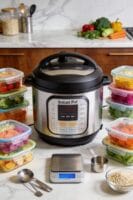
First, grease the insert of your Instant Pot and place your shaped, covered dough inside. Then select the “Yogurt” setting—go for the Normal or Low option, which keeps things nice and toasty between 86-93°F.
After about 30 to 60 minutes, peek at your dough. It should have doubled in size, but if it hasn’t, just let it hang out for a bit longer.
So, how do you know when your dough is ready? Watch for it to puff up nicely, and when you press it gently with your finger, it should hold a little indent but not shrink back. Pretty simple, right?
Truth is, proofing dough can often feel like a guessing game, but this method takes the stress out of it.
Once you’re comfortable with it, you might wonder how you ever managed without it. Give it a try next time you’re baking, and enjoy your homemade bread!
What’s your favorite type of bread to bake?
Key Takeaways
- Grease the Instant Pot insert with olive oil or cooking spray to prevent sticking during proofing.
- Select the “Yogurt” setting and adjust it to Normal or Low (86-93°F) for optimal proofing temperature.
- Cover the dough with plastic wrap and a plate, avoiding the pressure cooker lid, to maintain moisture and warmth.
- Check the dough after 30-60 minutes; it should double in size and pass the poke test by springing back slowly.
- If the dough hasn’t risen sufficiently, allow an extra 10-15 minutes of proofing while monitoring for over-proofing signs.
The Benefits of the Instant Pot Yogurt Setting for Dough Proofing

Have you ever been frustrated because your bread dough just won’t rise? We’ve all been there, peeking under the dish towel, hoping for that magical moment when the dough starts to puff up. The Instant Pot’s yogurt setting can really help with this. It keeps a toasty temperature between 86-93°F, perfect for waking up yeast and getting it to work its magic.
Here’s the trick: when you use this setting for proofing, you can cut your rising time down significantly. Many people find that their dough doubles in size within just 30-60 minutes! Plus, the added moisture in the Instant Pot keeps your dough from drying out, resulting in a better texture when it’s baked. This precise temperature control really helps you avoid over-proofing, leading to lighter, tastier bread.
So, why use fancy proofing equipment? Instead, grab that Instant Pot and keep things simple. It’s a handy tool that makes the bread-making process a lot easier. For best meal prep practices, consider using bento lunch boxes to organize your ingredients and meals efficiently.
In the end, if you’re tired of wrestling with dough that takes forever to rise, give this a shot. What’s your favorite tip for making bread at home?
Preparing Your Dough for Successful Proofing

Ever wonder why your bread dough sometimes doesn’t rise the way you want it to? Preparing your dough for successful proofing is key to getting it right.
First things first, kneading your dough is super important. It helps to develop gluten, which is what gives your bread that perfect structure and texture. Once you’ve kneaded it well, you’ll want to lightly oil the surface. This little trick helps prevent a dried skin from forming during proofing, which can really hinder your dough’s ability to rise.
Now, before you pop that dough in the Instant Pot, shape it into a ball or whatever form you prefer. Then, cover it with plastic wrap and a plate instead of using the lid. This keeps the warmth and moisture in, without any pressure buildup that could mess with the proofing process.
Set your Instant Pot to the yogurt setting, aiming for a cozy temperature of about 80°F to 90°F. This warm environment is perfect for getting your yeast nice and active during proofing, which is exactly what you need for some lovely, fluffy bread. For consistent results, maintaining a stable temperature throughout the proofing process is essential.
Step-By-Step Instant Pot Proofing Guide

Proofing dough in an Instant Pot can be a real lifesaver for your baking endeavors. First off, you’ll want to grease the insert with some olive oil or cooking spray. This simple step stops the dough from sticking, which can save you from a bit of a mess later on.
Once that’s done, pop your prepared dough into the Instant Pot and cover it—not with the pressure cooker lid, but with some plastic wrap and a plate. Trust me, this makes a difference.
Now, you’re going to select the “Yogurt” setting. Just make sure it’s set to the Normal or Low range, which is about 86-93°F. This temperature is just right for proofing. Let the dough rise for about 30-60 minutes, keeping an eye on it to watch it double in size. It’s fascinating to see the transformation!
When it looks ready, take it out carefully. You can then shape it or bake it according to your recipe. So, why bother with this method? It makes proofing so much simpler and consistent. Happy baking!
For best results, consider using a digital kitchen scale to measure your ingredients precisely before proofing.
How to Identify When Your Dough Has Properly Risen?
Have you ever been unsure if your dough has risen enough? It can be frustrating when you’re eager to bake but can’t tell if it’s ready. Here are a few signs to look for next time you’re waiting for your dough to rise.
You want to see that dough visually double in size. When you poke it, it should feel light and puffy under your fingers. Here’s the trick: try the poke test. If you gently press your finger into the dough and it springs back slowly, you’re on the right track. No spring-back? That might mean you’ve let it rise too long. A well-proved dough often has a slightly domed surface, indicating that the yeast has produced enough gas. And don’t forget about the smell! A nice, pleasant, yeasty aroma means things are looking good.
Truth is, in a warm spot, it usually takes about 30 to 60 minutes for your dough to get there, especially if you’re using something like an Instant Pot on the yogurt setting. So, keep an eye on it!
Using a warm environment like an Instant Pot’s yogurt setting helps create optimal temperature for yeast activation, ensuring a consistent rise.
In short, you want a dough that’s doubled in size, has a nice texture, and gives off a hint of that lovely yeasty scent. So, next time you’re getting ready to bake, how will you know your dough’s ready for the next step?
Fixing Common Dough Proofing Problems
Ever taken a peek at your dough after the proofing time and thought, “What’s going on here?!” It can be really frustrating when your dough doesn’t rise like you hoped it would. But don’t worry—I’ve got some simple tips that can really help you out.
If your dough hasn’t risen enough after its recommended time, try sticking it in the Instant Pot for another 10-15 minutes. This little trick creates a warm and moist environment that’s perfect for giving your dough the boost it needs. You’d be amazed at what an extra short wait can do!
But sometimes, we all over-proof our dough, and it ends up feeling way too soft. If you find yourself in that situation, give reshaping the dough a shot. It can actually revive it and get it back on track. If the dough feels too dry, don’t hesitate to lightly oil the surface. This can help retain moisture and keep that annoying crusty skin at bay.
So, why does temperature matter so much? When your dough collapses, it’s often due to it being too hot. Remember to keep your Instant Pot on the yogurt setting—this helps maintain just the right warmth. Keeping an eye on these temperature factors is key to success, trust me.
Also, using kitchen tools made from heat resistant materials can help ensure consistent results in your baking environment.
In the end, even if things don’t go perfectly, a little tweaking can make a world of difference. Have you ever had a dough disaster? What did you do to fix it?
Exploring Different Instant Pot Proofing Methods
Ever tried proofing dough and felt like it took forever? If you’ve got an Instant Pot sitting on your counter, you’re in luck. The yogurt setting makes it super easy to create a warm, humid space that yeast just loves. It’s like a cozy blanket for your dough!
Before you get started, don’t forget to lightly grease the insert. This little step keeps your covered dough from sticking, and trust me, it makes for an easier cleanup later. Now, how long should you let that dough rise? Generally, it’s anywhere from 30 to 60 minutes. That can vary based on your recipe and where you live—like if you’re high up in the mountains, things might take a bit longer.
If your Instant Pot doesn’t have a yogurt function, don’t worry! The Sous Vide mode can help you maintain similar temperatures for effective proofing. Why does this matter? Well, that nice, moist environment prevents the dough from drying out. That means better rise and texture in your final loaf. Many Instant Pot models, such as the Instant Pot Duo Plus, include a yogurt function specifically designed for tasks like proofing dough.
Frequently Asked Questions
What Is the Best Way to Proof Bread Dough?
To achieve the best proofing temperatures, we’ve found warmth and humidity essential. By managing time effectively, we can guarantee dough consistency; a perfect rise evokes visions of golden loaves that soon fill our kitchens with warmth.
What Does Yogurt Do in Bread Dough?
Yogurt helps activate yeast in our bread dough, enhancing the fermentation process. This boost allows for improved dough texture and richer flavor development, making our loaves taste better and rise higher than ever before.
Is It Better to Proof in the Fridge or Room Temperature?
We think it’s best to choose based on your schedule. Room temperature gives quick yeast activity and soft dough elasticity, while the refrigerator offers flavor depth with longer proofing. It’s all about balancing our needs!
Can I Use the Proof Setting on My Oven to Make Yogurt?
We can’t use the oven’s proof setting for making yogurt effectively. Instead, let’s explore yogurt appliance functionality or other proofing alternatives that allow better oven temperature control. Homemade yogurt tips lead to delicious results!


