As an Amazon Associate, we earn from qualifying purchases. Some links on this site are affiliate links at no extra cost to you. Our recommendations are based on thorough research and editorial judgment.


How to Clean the Valves and Vents on a Pressure Cooker Lid

Have you ever noticed that the valves and vents on your pressure cooker lid can get pretty grimy? It can be a bit daunting, but cleaning them is essential for safe and effective cooking. Here’s how to tackle it.
You may be interested


First things first, before you dive in, make sure your pressure cooker is unplugged and has cooled down. Safety is key here. Now, gently detach the silicone sealing ring and take off the anti-block shield.
Here’s the trick: use warm, soapy water with a soft brush to scrub the steam release and float valves. Don’t rush—give it a good scrub to get rid of any residue. After cleaning, rinse everything thoroughly to kick out any soap.
Check for cracks or buildup while you’re at it; these can affect how well your cooker works. Let everything air dry completely. This might take a little time, but it’s crucial for maintaining your pressure cooker.
Keeping these parts clean isn’t just good practice; it ensures your cooking goes off without a hitch. So, why does this matter? A clean pressure cooker means not only safer cooking but also better-tasting meals. Trust me, it’s worth the effort.
Before you wrap things up, make sure you’ve checked all the parts and they’re dry before reassembling. It’s a simple routine that pays off in the long run. How often do you clean your pressure cooker?
Key Takeaways
- Always unplug and allow the pressure cooker to cool before disassembling the lid for cleaning.
- Detach the silicone sealing ring and remove the anti-block shield for thorough cleaning of the valves.
- Clean the steam release and float valves using warm, soapy water and a soft-bristled brush.
- Rinse all components with warm water to ensure no soap residue remains before air drying.
- Regularly inspect for clogs, cracks, or warping in the valves and replace any faulty parts as needed.
Why Clean the Valves and Vents?
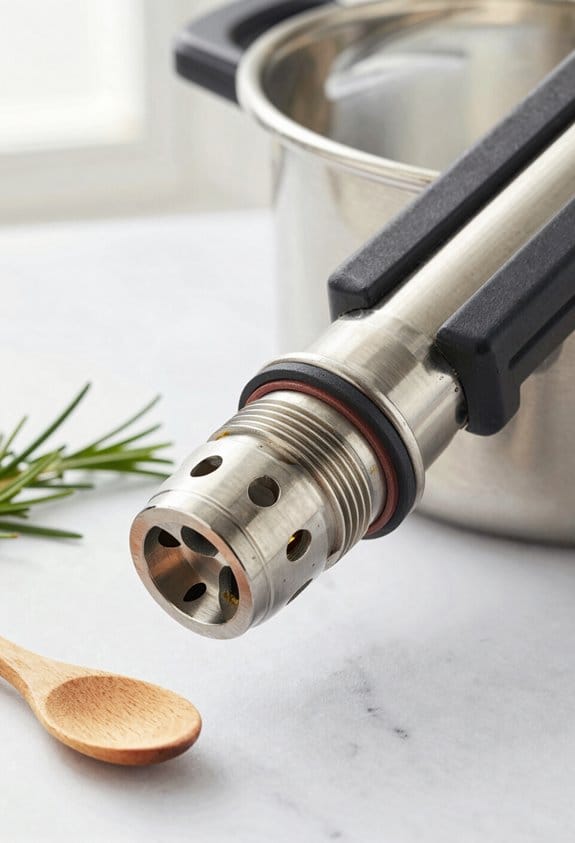
Why Clean the Valves and Vents?
Ever notice how easy it is to overlook cleaning those tiny parts of your pressure cooker? It might seem trivial, but keeping the valves and vents clean is super important. When food debris builds up, it can jam these components, which can lead to serious safety issues—like too much pressure building up.
So, what’s the solution? Commit to checking these parts after every use! Just take a moment to look for any stuck food or grime. A clean valve and vent will not only help with safety but also improve how well your pressure cooker works. Blocked vents can mess with pressure levels and cooking times, leading to undercooked or burnt meals.
Plus, neglecting this simple task can leave you dealing with some funky smells or flavors in your food, and nobody wants that! A quick clean can make all the difference in keeping your meals tasty and safe.
Let’s make it a habit to clean those valves and vents regularly. You’ll thank yourself later! Have you thought about how little time it takes to ensure better, safer cooking?
Proper maintenance of these parts, including removing and washing the sealing rings and steam release valves, is essential for optimal functioning of your Instant Pot.
Essential Steps for Disassembling the Pressure Cooker Lid
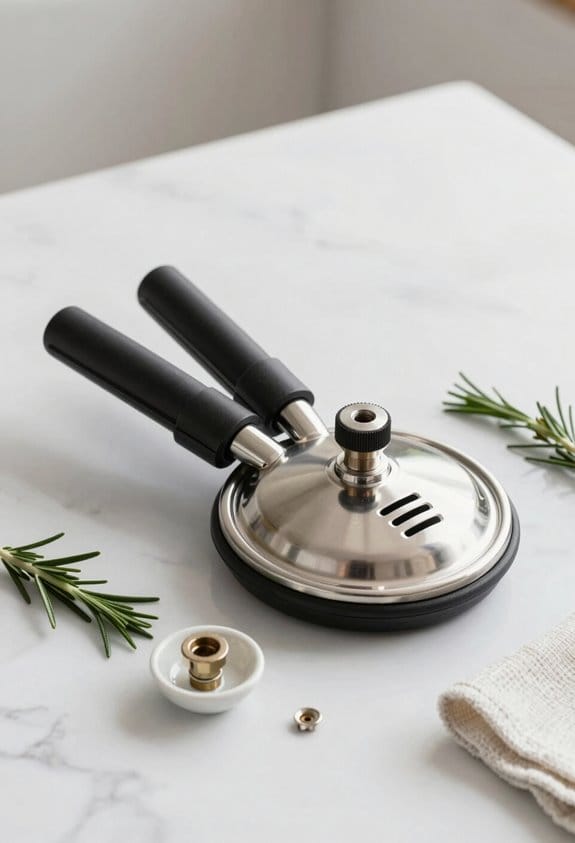
Before getting into how to take apart your pressure cooker lid, let’s pause for a moment. Is your cooker unplugged and completely cooled down? If not, safety first! You don’t want to rush this.
Now, let’s get started. First up, you’ll want to take off the silicone sealing ring. Just give it a gentle pull to detach it from the lid—no need to wrestle with it! After that, move on to the anti-block shield. Simply lift it straight up; it should come off easily.
Then, it’s time to look at the steam release valve and the float valve. These little parts can often be removed for a good clean, and they play a big role in keeping pressure cooking safe. So, take a moment to inspect them closely. And don’t forget to check the manufacturer’s instructions—there’s usually a specific way to handle these parts. Proper maintenance of pressure release valves is essential for user safety and efficiency during cooking.
How to Clean Your Valves and Vents
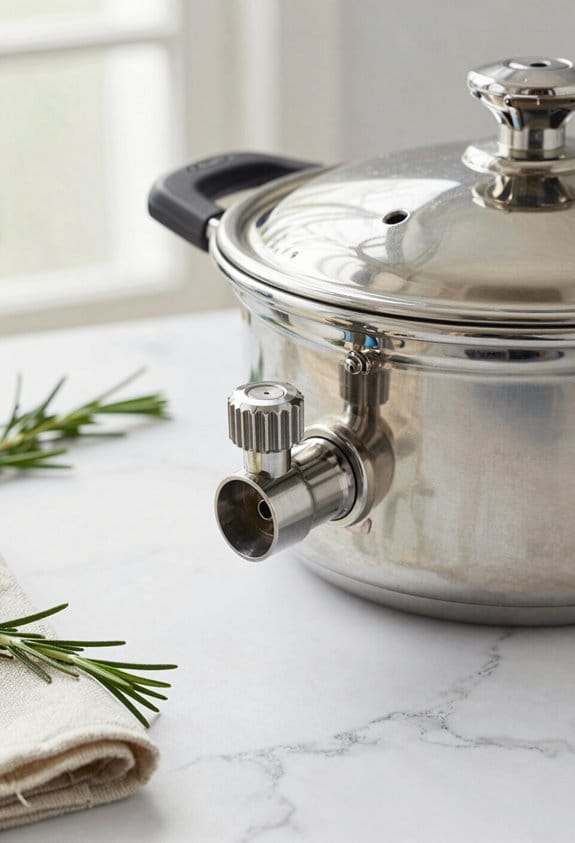
Now that you’ve taken off the silicone sealing ring and anti-block shield, let’s tackle those valves and vents of your pressure cooker. You know how food particles can cling to things? It’s no different here.
Grab some warm, soapy water along with a soft-bristled brush or even an old toothbrush—this is the perfect time to give those steam release and float valves a good scrub. Make sure to remove any food bits that might be lurking there. After scrubbing, rinsing is super important. Wash everything with warm water to get rid of any soap residue.
While you’re cleaning, take a close look at the valves. Are there any cracks, build-up, or signs of warping? If you see something out of the ordinary, you might need to think about replacing them. Trust me, it’s better to catch it early than deal with issues down the road.
Once everything is scrubbed and rinsed, let those parts air dry completely before putting them back on the lid. Moisture isn’t your friend here, so give them time to dry out. And seriously, isn’t it nice knowing your pressure cooker is ready to go for your next meal?
To maintain optimal performance and safety, always use containers made of BPA-free materials when storing or freezing soups made in your pressure cooker. What’s next on your cooking adventure?
Identifying and Fixing Problems With Valves and Vents
Have you ever faced a cooking disaster because of a faulty pressure cooker? It’s a real headache, and most of the time it boils down to a couple of overlooked parts – the valves and vents. Let’s dive into some easy ways you can check and clean them to keep your cooker in top form.
Start with the steam release valve and float valve. They can easily get clogged up with food debris. A soft brush works wonders here, helping to clear out any residue. Speaking of clean, don’t skip the silicone sealing ring—check it for any cracks or signs of warping. These tiny issues can prevent a tight seal, leading to less-than-ideal cooking results. And make sure the anti-block shield is clear. A blocked shield means steam can’t escape properly, which can be dangerous.
Now, if you’ve cleaned everything and something still seems off, it might be time for a replacement. Those valves and vents play crucial roles in how your pressure cooker operates. Keeping them in good shape ensures safer and smoother cooking every time you use it. Regular maintenance checks, especially on the pressure release valves, help ensure optimal safety and performance.
Easy Ways to Keep Your Pressure Cooker Running Smoothly
Ever notice how pressure cookers can get a bit cranky after a few uses? It’s easy to overlook, but keeping your pressure cooker in top shape is crucial for enjoying those tasty dishes. The good news is that with just a few simple steps, you can ensure your cooker runs smoothly every time.
Try this: after each use, make it a habit to check the steam release valve and float valve. These tiny parts can easily get clogged with food particles, and nobody wants a malfunctioning pressure cooker, right? Once you’ve inspected those, grab some warm, soapy water and a soft brush. Gently scrub the valves and vents on the lid.
Don’t forget about the silicone sealing ring and the anti-block shield. Taking these out for a quick clean prevents any weird flavor transfers and helps maintain that perfect seal. After cooking, make sure to wipe down the lid, especially the valve area, with a damp cloth. You’ll want to avoid using harsh chemicals or anything abrasive, as that can damage the surfaces.
So, why does this matter? Taking care of your pressure cooker not only keeps it in good condition but also ensures you get consistent results every time you cook. Honestly, these cleaning habits are super simple and can make a big difference.
Just as regularly honing your knives maintains their performance, regularly cleaning your pressure cooker components can prevent excessive wear and prolong their lifespan.
Keep your pressure cooker happy, and it’ll keep serving up delicious meals for you and your loved ones. What’s your go-to dish in the pressure cooker?
Frequently Asked Questions
How to Clean a Pressure Cooker Vent?
To clean a pressure cooker vent, we should unplug it and guarantee it’s cool. Using a soft brush, we’ll gently remove debris. Regular maintenance is key for vent function and lid safety—let’s keep our cookers in top shape!
How to Clean the Pressure Cooker Lid?
Cleaning our pressure cooker lid is vital for maintenance. We’ll hand-wash it with warm soapy water, checking seals and vents. Following these cooking safety tips guarantees our essential kitchen tools remain reliable, ready for delicious meals!
Can a Pressure Relief Valve Be Cleaned?
Yes, we can clean the pressure relief valve. By following proper valve cleaning techniques and prioritizing pressure relief maintenance, we guarantee cooker safety. Regular checks keep our pressure cooker functioning efficiently and safely for delicious meals.
How to Remove Black Burnt From a Pressure Cooker?
Think of burnt residue as an unwelcome guest. For effective cleaning techniques in pressure cooker maintenance, soak the area, scrub gently, and use a baking soda paste for stubborn stains. Let’s restore our cooker together!