As an Amazon Associate, we earn from qualifying purchases. Some links on this site are affiliate links at no extra cost to you. Our recommendations are based on thorough research and editorial judgment.


Borosilicate vs. Soda-Lime Glass: Which Container Won’t Shatter in the Oven?

When you’re picking glass containers for the oven, it can get a bit confusing. Have you ever worried about your dish shattering while you’re trying to bake? Let me help you clear things up.
You may be interested
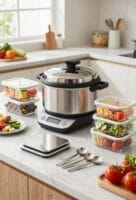
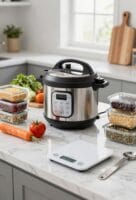
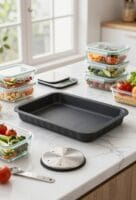
Borosilicate glass is the way to go. This type of glass can handle extreme temperature swings, going from -80°C to 260°C like a champ. That means it’s much less likely to shatter when you move it from a cold fridge straight to a hot oven.
On the flip side, soda-lime glass is a lot more fragile when it comes to sudden heat changes, especially in that tricky 40-60°C range. If you plan on doing any serious baking, you’re taking a risk with soda-lime glass.
Here’s the trick: If you want containers that are durable and safer in the oven, borosilicate glass should be your top choice. It’s built to last and can handle those heat ups without any drama.
So, why does this matter? Well, nobody wants to deal with the mess and danger of broken glass while whipping up their favorite treats.
The best part is that borosilicate glass isn’t just about strength; it also has other benefits. It’s often lighter, resistant to scratching, and can even be used in the microwave. So, you know you’re getting a versatile kitchen ally.
In summary, choose borosilicate glass for your oven adventures to keep things safe and secure.
What are your go-to containers for baking?
Key Takeaways
- Borosilicate glass can withstand temperature changes up to 150°C without shattering, making it ideal for oven use.
- Soda-lime glass is sensitive to thermal shock and can shatter at temperatures as low as 40-60°C.
- The melting point of borosilicate glass is around 1600°C, ensuring it remains stable under high heat.
- Borosilicate glass reduces the risk of chemical leaching, ensuring food safety during cooking.
- Choosing borosilicate glass over soda-lime glass enhances durability, leading to fewer breakage concerns in the kitchen.
What Is Borosilicate Glass and How Does It Work?
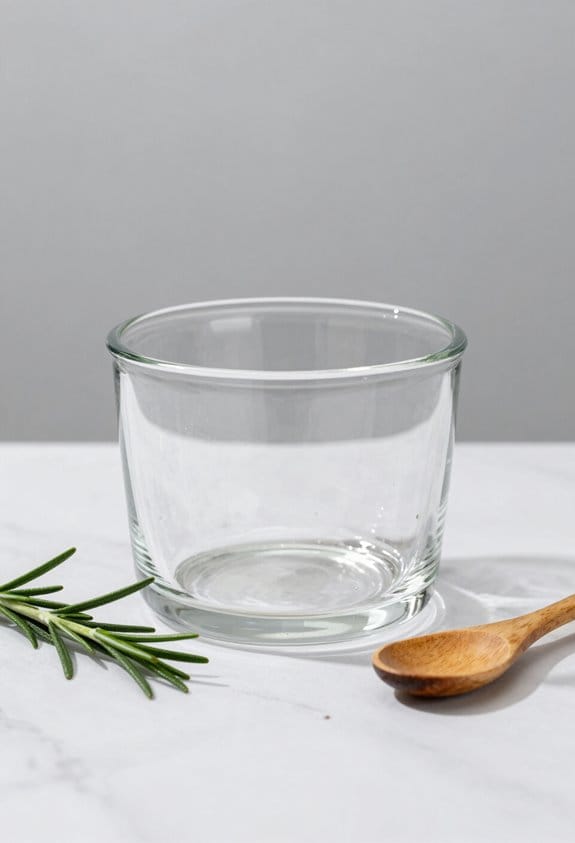
Have you ever had a glass dish break in the oven just because it was too hot? It’s not only frustrating but can also ruin your meals. That’s where borosilicate glass comes in.
So, what’s the deal with it? Unlike the usual soda-lime glass that most people are familiar with, borosilicate glass has some impressive qualities. It’s composed of about 80% silica and 13-15% boron oxide, which gives it fantastic thermal shock resistance. This means it can withstand extreme temperature swings from -80°C to 260°C without cracking. That’s a big plus in any kitchen!
But that’s not all. Borosilicate glass has low thermal expansion. You don’t have to worry about stress during heating and cooling, which can cause other glasses to shatter. Plus, it’s chemically stable, meaning no unwanted substances will leach into your food.
Now, let’s get to the good stuff—durability. Borosilicate glass is tough enough to handle those little kitchen mishaps that seem inevitable. Ever dropped a dish while cooking? With borosilicate, you can breathe a sigh of relief knowing it’s designed to endure.
The best part is, because of all these qualities, borosilicate is a favorite for cookware and glassware. It’s perfect for baking, storing leftovers, or just making a nice presentation at your dinner table.
In short, if you’re looking for glassware that not only looks good but can also stand the heat (literally), borosilicate should be on your radar. Many glass food storage containers use borosilicate glass due to its durability and thermal resistance.
Have you considered switching to borosilicate glass in your kitchen? It might just make your cooking experiences a little less stressful!
Why Borosilicate Glass Is the Superior Choice for Oven Use
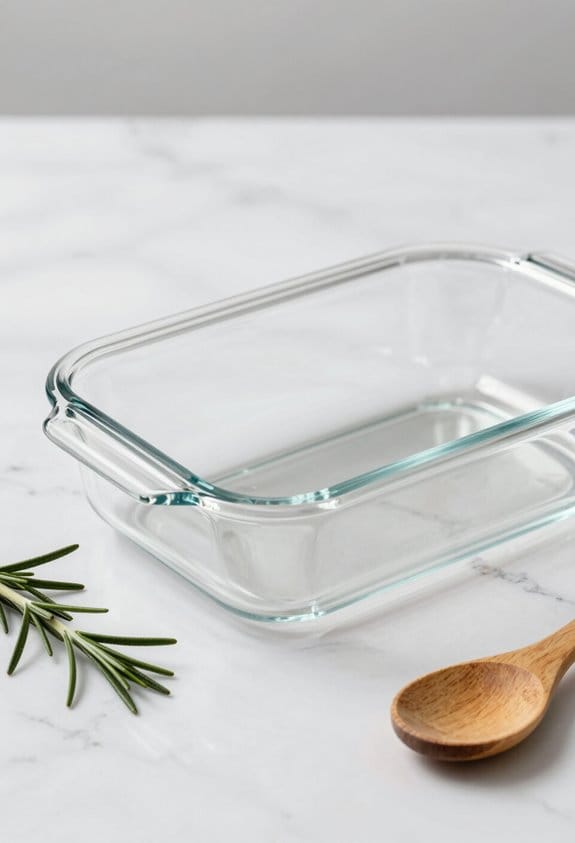
Have you ever had a dish in the oven where the glass container just cracked or shattered for no reason? It’s frustrating, right? That’s why making the switch to borosilicate glass is worth considering.
Borosilicate glass is tough and can handle drastic changes in temperature—up to 150°C (300°F)—without any issues. This glass has a low coefficient of thermal expansion, meaning it won’t expand or contract too much when the heat fluctuates. Unlike regular soda-lime glass, which can easily shatter if things heat up too quickly, borosilicate glass takes the heat like a champ. It even has a melting point around 1600°C! You won’t have to worry about it bursting unexpectedly like you might with other types of glass.
The best part? It’s safer, too. There’s no risk of spontaneous explosions, which is a real concern with soda-lime glass. So when you’re picking out a glass dish for your oven, think about going with borosilicate glass. It’s durable, compliant with safety standards, and really shines when things get hot in the kitchen.
Next time you’re shopping for a baking dish, remember this advice. Investing in a borosilicate glass container could save you from future cooking disasters. Additionally, incorporating multi-layer insulation in kitchen accessories helps maintain safe handling temperatures and protect surfaces. Do you think you’ll give borosilicate a shot for your next cooking project?
What You Should Know About Soda-Lime Glass Limitations
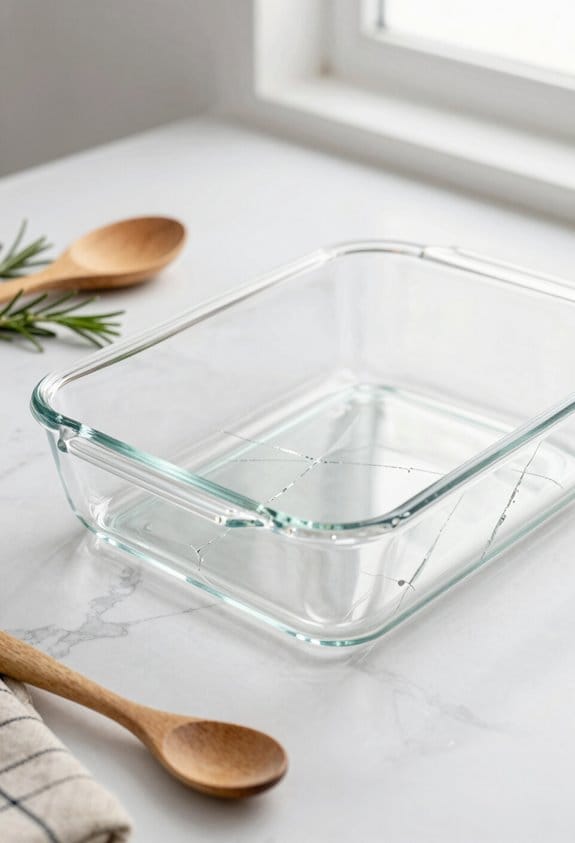
Have you ever pulled a dish out of the oven only to find that your glass dish has cracked? It’s a nightmare that no one wants to deal with, and it’s often a result of using the wrong type of glass. Let’s talk about soda-lime glass for a moment and why it might not be the best choice for your kitchen adventures.
Soda-lime glass can withstand only a small range of temperature changes—about 40-60°C (104-140°F). What does this mean for you? Rapid shifts in temperature can cause it to crack or shatter. This happens because it has a higher coefficient of thermal expansion, around 9.0 x 10⁻⁶/K, which makes it more vulnerable to breaking when things heat up or cool down too quickly. Think about that when you’re prepping your next hot casserole. You really want to avoid any surprise breakage, especially in the kitchen where safety is key.
Honestly, that’s why many folks recommend sticking with materials designed for high heat, like borosilicate glass. It can handle those oven temperatures much better, so you can cook without worrying about your dish turning into a pile of shards.
The best part is, knowing these limitations helps you make smarter choices when you shop for cookware. So, before reaching for that soda-lime dish for a baking project, consider the potential risks you might be taking. Safety should always come first.
In the end, it’s about making sure your cooking experience is enjoyable and safe. Are you prepared to swap out that soda-lime glass for something more reliable? For the safest cooking experience, it’s crucial to consider the material and build quality of your bakeware.
Comparing Thermal Resistance Between Glass Types
Have you ever pulled a baking dish out of the freezer, popped it in the oven, and then heard that awful crack? It’s a nightmare! When it comes to choosing cookware, understanding thermal resistance can save you from those frustrating mishaps.
Let’s break down two popular types of glass: borosilicate and soda-lime. You might be shocked at how differently they handle temperature changes. Borosilicate glass is a champ, easily handling shifts of over 150°C (300°F) without breaking a sweat. On the other hand, soda-lime glass typically struggles between 40-60°C (104-140°F). So, if you’re planning to go from the freezer to the oven, borosilicate is definitely the safer bet.
Here are some key points to consider:
- Thermal Expansion: Borosilicate has a coefficient of thermal expansion of about 3.3 x 10⁻⁶/K, while soda-lime is much higher at 9.0 x 10⁻⁶/K. This means soda-lime has a higher risk of cracking.
- Melting Point: Borosilicate has a melting point around 1600°C, so it’s tough and can handle those high heats without becoming damaged.
Honestly, having durable cookware can make a huge difference in your kitchen. It’s about time we invest in things that won’t let us down, right? The best part is that borosilicate glass is not just durable but also chemically inert, making it a reliable choice when cooking various foods. Many modern kitchen appliances, such as multi-cookers, are designed with materials that withstand high temperatures to ensure safe and efficient cooking.
Safety and Risks of Soda-Lime Glass in Cooking Situations?
When you’re cooking, safety should be at the top of your mind—especially when using glass cookware. While soda-lime glass is popular in kitchens, it comes with its own set of risks. Did you know it’s sensitive to thermal shock? It can shatter if it goes from a cold environment to a hot one, breaking at temperatures as low as 40-60°C (104-140°F). That’s pretty risky if you’re not paying attention!
Here’s the trick: soda-lime glass expands at about 9.0 x 10⁻⁶/K. Rapid temperature changes can create stress in the glass, which has led to reports of pieces shattering in ovens. If you’ve ever had a dish break unexpectedly, you know how jarring that can be. Truth is, it’s safer to let it warm up a bit or avoid extreme temperature changes altogether.
On top of that, there are some health concerns. The heat over time can cause soda-lime glass to leach chemicals. So, what does that mean for you? It’s a good idea to be cautious when you use soda-lime glass for cooking. Always check temperature limits and consider switching to more heat-resistant options when possible.
To recap, soda-lime glass can pose safety risks due to its sensitivity to heat. Additionally, choosing containers made from borosilicate glass can enhance oven safety due to their superior thermal shock resistance. Have you thought about what cookware you’re using lately?
Cost Considerations: Is Borosilicate Glass Worth the Investment?
Have you ever had a glass dish shatter on you while you’re cooking? It’s not just frustrating; it can be downright dangerous. Using soda-lime glass can lead to a lot of headaches, and that’s where borosilicate glass comes in. Sure, it’s 40-80% more expensive upfront because of how it’s made, but have you considered what you’re really getting for that extra cost?
The truth is, borosilicate glass is built to last. Its durability and thermal shock resistance significantly reduce the chance of breakage. Fewer replacements mean you’re not constantly buying new dishes, which saves you money over time. And let’s not forget about its chemical stability. With borosilicate glass, you won’t have to stress about harmful substances leaching into your food, which can happen with cheaper glass options.
So, why invest in borosilicate? Here’s the trick: think long-term. You’re paying for quality, which means you can enjoy safe cooking for years without the hassle of worrying about the materials you’re using. After all, what’s worth more—cheap dishes that break easily or reliable ones that stand the test of time?
In the end, while the initial cost of borosilicate glass may give you pause, its longevity and superior performance make it a smart choice. Just imagine how less stressful your cooking experience could be with durable kitchenware. Why not make the switch today and prioritize safety in your kitchen? Additionally, choosing containers that are microwave-safe and dishwasher-safe can further enhance convenience and durability in your kitchen.
Choosing Safe and Effective Glass for Cooking
Choosing the right glass for cooking can be a bit of a puzzle. With so many types available, it’s easy to feel overwhelmed. If you’re wondering which one to go for, let me share some insights about borosilicate glass. This option stands out for a good reason: it can handle temperature changes like a champ, tolerating up to 150°C (300°F). In contrast, soda-lime glass only manages to take heat up to about 40-60°C (104-140°F). So, when you’re cooking at high temperatures, borosilicate is definitely a safer pick.
Another thing to love about borosilicate glass is its low thermal expansion, which is about 3.3 x 10⁻⁶/K. What does this mean for you? It means it’s less likely to break under thermal stress. Plus, it doesn’t leach harmful chemicals into your food—always a bonus for health-conscious cooks. If you often move dishes from the freezer straight to the oven, borosilicate glass has your back; it stands strong against those rapid temperature swings.
The best part is that it works wonders for cooking, baking, or even just reheating your meals. You want reliability in whatever you’re making, right? Well, borosilicate glass truly shines when it comes to heat resistance and safety. For keeping your kitchen well organized during meal prep, using self-adhesive food storage labels can help track your ingredients and cooking times more efficiently.
Frequently Asked Questions
Is Borosilicate Glass More Durable Than Soda-Lime Glass?
Yes, borosilicate glass is more durable than soda-lime glass. Its superior heat resistance and thermal shock resistance, stemming from its chemical composition, make it ideal for various applications, though it typically costs more and weighs slightly more.
Is a Soda-Lime Glass Oven Safe?
Soda-lime glass isn’t oven safe, given its low thermal shock resistance. With 90% of glassware made from it, we should consider shatterproof alternatives for safe heating methods and proper food storage options in our kitchens.
Does Soda-Lime Glass Shatter?
Yes, soda-lime glass can shatter due to its composition and poor resistance to thermal shock. When cooking, we must consider its limitations, as uneven heat distribution increases cracking risks, impacting overall cooking safety compared to more durable options.
Are Borosilicate Glass Containers Oven Safe?
Yes, borosilicate glass containers are oven safe, withstanding high oven temperatures and thermal shock, ensuring cooking efficiency and food safety. Different glass brands offer various container designs, balancing weight comparison and price differences for our needs.


