As an Amazon Associate, we earn from qualifying purchases. Some links on this site are affiliate links at no extra cost to you. Our recommendations are based on thorough research and editorial judgment.


Non-Stick vs. Ceramic vs. Stainless Steel Inserts for Multi-Cookers

When picking the right insert for your multi-cooker, it’s important to think about what you like to cook. Non-stick inserts are perfect for those delicate dishes—think eggs or pancakes—and they really make cleanup a breeze.
You may be interested


On the other hand, if you’re looking for something colorful and free of chemicals, ceramic inserts could be your go-to. They’re not only vibrant but also safer if you’re avoiding harmful substances.
But then there’s stainless steel, which is a sturdy option that’s fantastic for browning meats or vegetables. It holds up well over time, and there’s nothing quite like the crispy finish it can give your food.
So, why does this matter? Choosing the right insert can truly impact your cooking experience. It’s all about finding a match for your style. If you often whip up tricky recipes that need some TLC, non-stick is your friend. If you’re more into healthy, vibrant cooking, go with ceramic. And if you want durability with strong flavors, stainless steel is the winner.
Honestly, it’s not a one-size-fits-all situation, and that’s the beauty of it. Each type of insert brings something unique to the table—literally.
Take a moment to think about what and how you cook most often, and you’ll be better equipped to choose the right insert for you. It’s about making those little choices in your kitchen that lead to better meals. So, what will you go for next?
Key Takeaways
- Non-stick inserts provide easy cleanup and require less oil, making them ideal for delicate foods.
- Ceramic inserts are chemical-free, offer excellent non-stick properties, and come in vibrant designs, but may wear out faster.
- Stainless steel inserts excel at browning and are durable, non-reactive, and suitable for high-heat cooking.
- Each insert type influences meal outcomes based on cooking style, with non-stick being best for quick cleanup and stainless steel for consistent results.
- Your choice should consider cooking methods, cleanup ease, and food interactions, ensuring compatibility with personal cooking habits.
What Type of Multi-Cooker Insert Should You Choose?

When you’re in the market for a multi-cooker insert, you might find yourself overwhelmed by the choices. It’s worth taking a moment to think about what material fits your cooking style best. Non-stick pans are tempting because they make for easy cleanup and food release. But do a quick check to ensure they’re free of harmful chemicals like PFAS—your health matters, right?
If you’re leaning towards safety, ceramic cookware is a solid option. It’s non-toxic and distributes heat evenly, which is a win. Just keep in mind that it can wear out quicker than other materials and it requires a bit of extra care. On the other hand, stainless steel is the heavyweight champion here: it’s super durable and can handle high heat without breaking a sweat. You might need to add a touch more oil to keep food from sticking, though.
Choosing materials that are PFAS-free ensures safe and easy cleaning while cooking brown rice and other grains.
Benefits of Non-Stick Inserts in Multi-Cookers
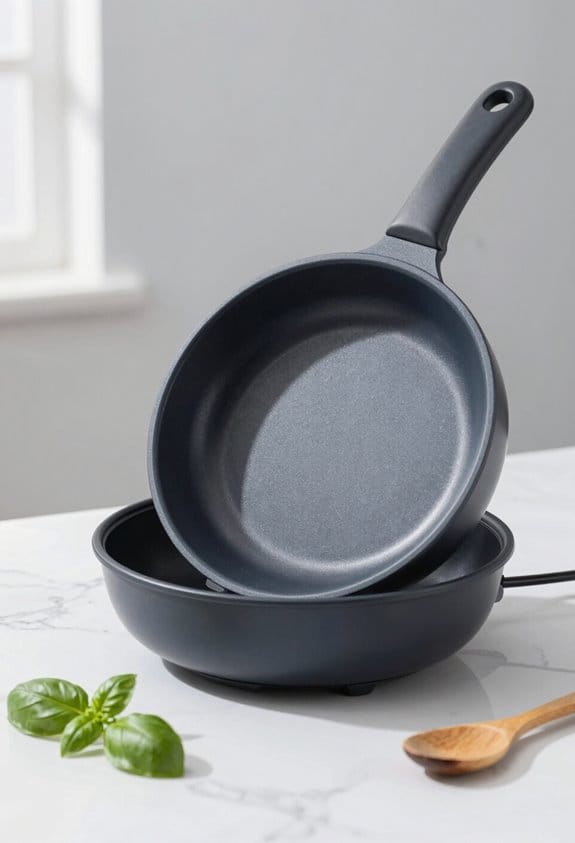
Are you tired of food sticking to your cookware and making a mess of your kitchen? I get it, and that’s where the non-stick inserts in multi-cookers come in handy. These clever designs help your meals slide right out, which means less cleanup for you after a long day of cooking.
With these non-stick surfaces, you actually use less oil, helping keep those calorie counts in check without sacrificing flavor. Ever tried sautéeing or slow-cooking with a non-stick insert? It’s a breeze. You can confidently cook over medium heat without constantly worrying about your food clinging to the pot.
Cleaning up is another win. Many of these non-stick inserts are dishwasher-safe, which means you can throw them in without a second thought. And don’t fret about health risks; today’s ceramic coatings are free from harmful chemicals like PFOA and PFAS. That makes them a safer choice for anyone who’s mindful about what they cook with.
Additionally, choosing cookware that complies with material safety standards ensures both durability and safe cooking performance.
Advantages of Ceramic Inserts in Multi-Cookers

Are you tired of dealing with pesky toxic chemicals in your cookware? It’s a real concern for many of us, especially when we’re trying to whip up healthy meals. That’s where ceramic inserts in multi-cookers come into play. These inserts are free from harmful substances like PFOA and PFAS, making them a safer choice for your cooking needs.
The best part is the fantastic non-stick properties that high-quality ceramic offers. When it comes to food release, you’ll find it incredibly easy—no more scraping stubborn bits off your pot. Plus, using less oil means your dishes can be both healthier and lighter. You might wonder why that matters; well, it lets the natural flavors of your food shine through without any metallic taste interfering with your meal.
Temp flexibility is another win for ceramic inserts. They can handle high temperatures, which is ideal whether you’re sautéing, slow-cooking, or even steaming. Oh, and let’s not overlook aesthetics—many of these ceramic inserts come in vibrant colors and trendy designs that can brighten up your kitchen space. Who says cooking can’t be pretty?
In addition, many ceramic inserts offer automatic keep warm functions that maintain your food’s temperature without overcooking, enhancing convenience and meal quality.
In short, opting for ceramic inserts in your multi-cooker can help you cook healthier meals while adding a pop of color to your kitchen. What’s your favorite cooking method that you’d like to try with ceramic inserts?
Benefits of Stainless Steel Inserts in Multi-Cookers
Stainless steel inserts in multi-cookers can really step up your cooking game. Ever find yourself battling burnt food or unevenly cooked meals? These inserts might just be the solution you need. They’re tough enough to handle high heat, making them perfect for browning and sautéing. Plus, they give you consistent cooking results—you’ll appreciate that when you’re trying new recipes.
What’s really great about stainless steel is how it doesn’t react with acidic foods. This means when you cook that zesty tomato sauce or a tangy lemon dish, the flavors stay true to what you expect. Honestly, that’s a big relief for anyone who loves to dabble in different cuisines. And let’s not forget about clean-up—many stainless steel options are dishwasher-safe. Just toss it in and hit start!
Another perk is their versatility; you can often use them on induction cooktops, too. So, whether you’re making a hearty stew or delicate sauces, these inserts can handle it all. I mean, who wants to limit their cooking options?
In addition to durability and ease of cleaning, stainless steel inserts often feature removable, dishwasher-safe designs which significantly simplify maintenance.
In short, if you’re looking to enhance your cooking experience, consider adding a stainless steel insert to your multi-cooker. It can make a noticeable difference in how your meals turn out. What’s one dish you’d try making with it?
Comparing Performance of Multi-Cooker Insert Types
Have you ever stood in the kitchen, trying to decide which multi-cooker insert to use for your next meal? It can feel overwhelming with all the choices out there. Let’s break it down.
Non-stick frying inserts are fantastic for delicate foods like eggs and fish. They make cooking a breeze since everything just slides right out, and cleanup is quick. But here’s the trick: avoid using metal utensils on those non-stick surfaces. They can scratch the coating, leaving you with a mess instead of an easy cook.
On the flip side, you’ve got ceramic inserts. They’re free from harmful chemicals and do a great job retaining heat. Just keep in mind that while they’re wonderful for many dishes, they might not hold up as long as some other materials under heavy use.
Then there are stainless steel inserts. If you want something that won’t scratch easily, this is the way to go. They’re perfect for browning meat and creating that tasty fond that brings so much flavor to your meals. Just remember to use a bit of oil to keep things from sticking.
So, why does this matter? Each insert type has its strengths and weaknesses based on what you like to cook. Think about what you’ll be making most often.
In the end, it’s all about finding what works best for you in the kitchen. What are your favorite dishes to make, and which insert do you think will give you the best results?
Additionally, considering the material and build quality of your multi-cooker insert can impact its durability and cooking performance over time.
How to Choose the Right Multi-Cooker Insert for Your Cooking Style?
Choosing the right multi-cooker insert can seriously affect how you prepare meals. Have you ever struggled with food sticking to the bottom or worrying about your insert reacting with your favorite tomato sauce? If you often cook at high temperatures or want something that can hold up over time, think about going with stainless steel. It doesn’t react with acidic foods, and let’s face it, it tends to last longer in the long run.
For the health-conscious home chef who leans toward non-toxic cooking, ceramic inserts can be a dream. They make cooking and cleaning easier, which is a win in my book. Just keep in mind that they might not hold up as long as stainless steel under heavy use.
Now, if you’re someone who wants to limit the oil in your dishes or cook delicate items, a non-stick insert could be your best bet. It really helps with easy food release, but here’s the catch: non-stick materials can wear out quickly, especially if you’re cooking at high temperatures. So, why does this matter? Because choosing the right insert not only enhances your cooking experience but also keeps your food tasting great.
When you’re shopping, double-check that the insert you pick is compatible with your multi-cooker and fits your cooking style. Are you into browning meats, slow cooking stews, or sautéing veggies? Taking these factors into account can save you a lot of headaches later on.
In addition, some multi-cookers feature nonstick and dishwasher-safe components that make cleanup effortless and extend the life of your insert.
In a nutshell, spend some time considering what you cook most and how you prefer to do it before deciding. You’ll be glad you took the time to make the right choice. What’s your go-to dish that you can’t wait to try in your new insert? Happy cooking!
Frequently Asked Questions
Is It Healthier to Cook in Stainless Steel or Ceramic?
We believe it’s often healthier to choose stainless steel for its durability and heat distribution, enhancing food flavor. Ceramic benefits include lower oil use, but let’s be cautious with maintenance to avoid non-stick concerns and guarantee cooking safety.
What Is the Healthiest Material for a Pressure Cooker?
We believe stainless steel’s the healthiest material for pressure cookers. It offers great cooking versatility, chemical leaching prevention, excellent heat distribution, food retention, superior longevity, and easy cleaning—preserving flavors and ensuring safe, healthy cooking every time.
Is It Better to Cook With Non-Stick or Stainless Steel?
We think stainless steel’s durability and heat retention make it better overall. While non-stick offers ease in food release, it can lack longevity. We appreciate versatility, even if stainless steel requires some maintenance, it’s worth it.
Do Chefs Use Non-Stick or Stainless Steel?
Chefs often use stainless steel for its durability and excellent heat distribution, maximizing cooking performance and flavor preservation. Non-stick surfaces work well for delicate tasks, but stainless steel’s benefits outweigh its maintenance ease in most kitchens.


