As an Amazon Associate, we earn from qualifying purchases. Some links on this site are affiliate links at no extra cost to you. Our recommendations are based on thorough research and editorial judgment.


Why Your Slow Cooker Meals Are Watery (and How to Thicken Them)

Ever finished a slow cooker meal only to find it’s more soup than stew? You’re not alone! It happens to the best of us, and there are a few reasons your dish might be coming out watery.
You may be interested
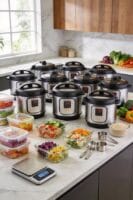
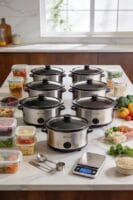

First off, steam condensation builds up under the lid and drips back into your food, adding unwanted moisture. If you’re using frozen ingredients, that can also release extra liquid as they cook.
So, how can you fix this?
Try this:
- Reduce the amount of liquid called for in your recipe by about 25%.
- Make sure to pat meats dry before adding them to the pot.
- You can also mix in a thickening agent like cornstarch or flour towards the end of the cooking time.
Here’s the trick: If you can prop the lid slightly open during cooking, steam can escape, which helps keep things from getting too watery.
So, what if your meal is already soupy? Truth is, there are plenty of ways to correct it even after it’s finished cooking.
You could whisk together some cornstarch with a bit of water and stir that into your dish, allowing it to thicken as it cooks for a bit longer.
Or let it simmer uncovered for a few minutes to let the excess liquid evaporate.
Honestly, it’s a common issue, but now you have some solid tips to tackle those watery slow cooker meals.
What’s your go-to slow cooker recipe that needs a little tweaking?
Key Takeaways
- Watery slow cooker meals may result from excess liquid in recipes, condensation buildup under lids, and frozen ingredients releasing additional moisture.
- To thicken watery dishes, reduce liquid amounts by about 25% and prefer fresh ingredients over frozen ones.
- Patting meat dry before cooking can minimize extra liquid released during the slow cooking process.
- Use thickening agents like cornstarch slurry or instant tapioca to achieve desired consistency, adding them at appropriate cooking stages.
- Remove the lid in the last hour of cooking to allow evaporation, concentrating flavors and thickening sauces or soups.
Why Your Slow Cooker Meals Turn Out Watery

Are your slow cooker meals coming out more soup than stew? It’s a problem many of us face, and there are a few sneaky reasons behind this watery situation. One big issue is the lid trapping steam. That steam condenses and drips back into your dish, adding extra liquid that you might not want.
You might also be using recipes that call for way too much liquid. When you follow those, it can easily lead to a watery final product that doesn’t do justice to the flavors you’re aiming for. Plus, if you’re tossing in frozen ingredients, they’ll release water when that ice melts. With slow cookers operating at lower temperatures, less liquid evaporates compared to other cooking methods, which can keep the moisture level high.
Here’s a simple tip: try cutting down on the amount of liquid you start with by half. Doing this can really help improve the consistency of your meals. Another trick is to sauté your veggies or protein first; this not only enhances flavor but also reduces water content before it even hits the slow cooker.
So, why does this matter? Nobody wants to dig into a watery meal, right? Taking these small steps can elevate your dish from a soggy mess to a delicious masterpiece. Honestly, a little tweak can make all the difference in how everything turns out.
In short, managing liquid levels is key. Have you tried adjusting your ingredients? Your slow cooker might just become your favorite kitchen gadget again! Additionally, selecting an 8-quart crock pot with multiple heat settings can help you better control cooking moisture and consistency.
Common Causes of Excess Liquid in Slow Cookers

Ever wondered why your slow cooker meal turns out watery? It can be super frustrating when you’re looking forward to a delicious dish, only to find that it resembles soup instead. Let’s break down some of the common reasons excess liquid sneaks into your slow-cooked creations.
One big factor is condensation. When you close that tight lid, moisture builds up and drips back into your food. If you’re following traditional recipes, watch out for ones that add too much liquid; a little goes a long way in a slow cooker.
And what about using frozen ingredients? That ice melts during cooking, releasing extra moisture. You might be surprised by how much liquid this adds to the mix. Plus, many meats, particularly chicken, release their juices as they cook, adding to the overall liquid content.
Another thing to think about is that tightly sealed lid. While it keeps everything in, it can also trap steam and limit evaporation. As a result, you might end up with soupy sauces or thin soups. So, why does this matter? Understanding these factors lets you adjust your cooking method and avoid that watery mess next time.
For a successful slow-cooked meal, keep these tips in mind. It’s all about balancing moisture levels and knowing what ingredients you’ll be working with. Using a slow cooker with a locking lid designed to enhance spill protection can help manage moisture and improve your cooking results. What will you try the next time you use your slow cooker?
5 Tips to Prevent Watery Slow Cooker Dishes

Ever had your slow cooker dish turn out more soup than stew? You’re not alone! Watery slow cooker meals can be frustrating, but there are some easy tweaks you can make to keep your dishes nice and thick.
First off, let’s talk about that liquid. A good rule of thumb is to cut the total amount by about 25%. You’ll still have plenty of flavor without that pesky extra moisture. Also, if you’re using frozen ingredients, consider switching to fresh ones. Frozen veggies or meats can release unexpected water as they cook, which is not what you want.
Another tip? Patting your meat dry with a paper towel before tossing it in the slow cooker can help limit the extra juices it releases. You don’t need to go overboard, but a quick blot can make a difference.
Have you ever tried adding thickening agents like tapioca or flour at the start of cooking? Here’s the trick: when you add these ingredients early, they get a chance to soak up moisture during the cooking process. This makes for a richer and more satisfying texture in the end.
Honestly, the lid you use makes a difference too. Make sure it’s secure, but if you’re cooking something that could use less moisture, propping it slightly can let some steam escape.
For storing any leftovers from your slow cooker meals, using airtight food storage containers can help maintain freshness and prevent moisture buildup.
How to Thicken Sauces and Soups in Your Slow Cooker
Ever tried a slow cooker recipe only to find it comes out a bit too watery? It’s frustrating, isn’t it? Let’s dive into some easy tricks to thicken those sauces and soups.
One method you can use is simple: remove the lid during the last hour of cooking. This allows moisture to evaporate, helping your sauce or soup get that desired thickness. It’s a no-fuss way to fix things without needing to stir in extras.
If you find yourself still battling thinness, give a cornstarch slurry a shot. Just mix 2 parts cold water with 1 part cornstarch, and stir it in gradually. You might also think about puréeing part of the soup for a creamy touch. Instant tapioca can be a great trick at the beginning; it acts as a neutral thickener that works well without altering the flavor.
And if the sauce is still running thin? Stir in a roux made from equal parts flour and fat. This adds both thickness and a rich flavor to whatever you’re making.
Keep in mind that understanding your slow cooker’s temperature control settings can also help prevent overly watery results by managing the cooking process more precisely.
Top Thickening Agents for Perfect Slow Cooker Recipes
When it comes to thickening up those delicious slow cooker dishes, you might be wondering what your best options are. The right thickening agents can really enhance your meals. One of my go-to tricks? A cornstarch slurry. Just mix some cold water with cornstarch and add it at the end for that smooth, velvety finish that everyone loves.
If you’re looking to thicken things earlier in the cooking process, give instant tapioca a try. Toss it in at the start, and it’ll thicken your sauces while still keeping all the flavors intact. You’re going to appreciate how simple it is.
For a richer sauce, consider making a roux. It’s straightforward: mix equal parts flour and fat, and you’re on your way to a creamy consistency that can elevate any dish. Ever tried mashing cooked beans or veggies? This is a great tip for thickening stews naturally without adding extra ingredients.
And don’t forget about using canned milks. Evaporated milk or coconut milk can really add some creamy thickness and they don’t curdle like other dairy might do during those long simmering hours.
Using tools like an ergonomic stainless steel ladle can help you serve your thickened slow cooker meals with ease and precision.
How to Precisely Adjust Liquid for Ideal Slow Cooker Consistency
Ever had a slow cooker meal turn out too watery? It’s such a letdown when you’ve put in all that effort, and then the dish doesn’t have the right consistency. To keep your dishes from being soup-like, try reducing the liquid by about 25% from what you’d normally use in traditional recipes.
When cooking meats, there’s no need to add extra liquid since they’ll release their own juices as they cook. Plus, if you’re working with frozen ingredients, don’t forget to thaw and drain them beforehand. This little step can make a significant difference in controlling any extra moisture.
Here’s the trick: for added thickness, think about incorporating thickening agents like tapioca or cornstarch right near the end of your cooking time. This way, they can absorb any remaining moisture without overcooking your dish. Got a recipe that calls for a sauce? Keep an eye on it, too. Sometimes, just propping the lid a bit can really help steam escape, which encourages evaporation and gives you a firmer texture.
Truth is, adjusting the liquid in your slow cooker meals can be the key to achieving that perfect consistency you’re after. So, next time you whip up something in the slow cooker, remember these tips to ensure your dish turns out just right. What’s your favorite slow cooker recipe that you’ve had to tweak for that ideal texture? Also, utilizing a slow cooker with multiple temperature settings can help you better control moisture levels throughout cooking.
Effective Techniques to Manage Steam and Moisture
Ever pulled the lid off your slow cooker and been greeted by a mini waterworks? It’s pretty common to see a good amount of liquid pooled in your dish. Understanding how your slow cooker works can help you manage steam and moisture better, so you’re not left with soupy stews or braises.
Here’s the trick: slow cookers are designed to trap steam, which can cause a lot of condensation under the lid. So, when you lift the lid, that steam escapes and often brings excess liquid with it. To keep some of that moisture in while still letting air flow, try propping the lid slightly open with skewers or chopsticks. This simple hack works wonders, especially for those hearty meals.
Also, be mindful of how much liquid you’re adding at the start. A common mistake is pouring in a lot, but remember that the meats will release their own juices as they cook. If you do find yourself worried about the liquid levels, just take a peek now and then—but don’t get too carried away with lifting the lid. Each time you do, you’re adding extra minutes to cooking time.
And when you’re ready to finish off your dish, cornstarch or tapioca can work magic to thicken up that sauce or broth.
Additionally, choosing a slow cooker with a tempered glass lid can help maintain moisture and flavor during cooking.
Truth is, managing steam and moisture doesn’t have to be complicated. A little awareness goes a long way, and you can enjoy perfectly cooked meals without the fuss. Have you tried any of these tips? What’s been your biggest challenge with slow cooking?
Fun Ways to Use Leftover Liquid in Your Dishes
Are you tossing out leftover liquid from your slow cooker meals? You might be missing out on a great way to amp up your dishes while saving some ingredients! That leftover liquid can add a ton of flavor to various meals, and it’s time to get creative with it.
First up, think about turning that liquid into a homemade soup or stew. Instead of starting from scratch, let your slow-cooked sauce be the base. It really boosts the flavor and gives your meal a warm, hearty feel.
If you’re preparing grains like rice or quinoa, consider adding some of that leftover liquid during cooking. This small tweak can bring an exciting depth of flavor to something that’s usually quite plain. Plus, your grains will thank you for it—they’ll absorb all that deliciousness!
Suppose you’re looking to create a thicker sauce or gravy. In that case, you can simmer the excess liquid on the stovetop until it reduces down to a tasty concentrate. Trust me, it can transform your dish completely. Need a quick trick? Just whisk some into a roux when making gravies; it elevates the sauce in a way you won’t expect.
And don’t forget about one of the simplest things you can do—freeze leftover liquid in ice cube trays. Once they’re frozen, pop those little cubes into a freezer bag for future use. They make a fantastic flavor boost in stir-fries, sauces, or marinades later on. You’ll always be ready to add that little something extra without any fuss.
Slow cookers are especially energy efficient, so repurposing your leftover liquid helps make the most of the steady cooking process.
When to Use Each Thickening Method?
When you’re thickening meals in your slow cooker, timing can really make or break the texture you’re aiming for. Ever tried to pour a sauce that just didn’t have that right consistency? It’s frustrating! So, when is the best time to use each thickening method?
For those rich gravies or sauces, starting off with a roux made from equal parts flour and fat at the beginning of cooking is key. This combo can give your dish a nice, silky mouthfeel. If you’re in a hurry and need a quick fix, consider whipping up a cornstarch slurry and tossing it in towards the end to thicken things up without altering the flavor.
Instant tapioca is also a fantastic choice if added in at the start. It works like a charm to thicken without affecting the taste. But sometimes, you want to keep things natural. So, why not try pureeing beans or vegetables? It’s a great way to add body to your dish without extra ingredients.
Now, if creamy soups are on the menu, adding canned milk, like evaporated or coconut milk, can take your dish to the next level without the risk of curdling. Truth is, thickening isn’t just about making it look good; it’s about flavor and richness too.
For even better cooking results, consider using appliances with fuzzy logic technology that automatically adjust cooking times and temperatures for optimal texture.
Frequently Asked Questions
How to Make Crockpot Meal Less Watery?
To make our crockpot meal less watery, we can reduce liquid, pat meats dry, prop the lid open slightly, or add a cornstarch slurry. These tips not only thicken but also enhance flavor!
How to Thicken up a Slow Cooker Meal?
Our slow cooker meals can sometimes resemble a leaky boat, but we can thicken them up easily! Using thickening agents like cornstarch, roux, or puréeing portions will create that perfect, hearty texture we crave.
How to Fix Too Much Liquid in a Slow Cooker?
To fix too much liquid in a slow cooker, we can try liquid reduction by cooking with the lid off for the last hour and adjusting our recipe’s ingredients to lessen added moisture.
What to Do if My Stew Is Too Watery?
If our stew’s too watery, we can thicken it by blending some, adding flour slurry, or using tapioca. These methods enhance stew flavor while achieving that desired consistency we all crave in our meals.


