As an Amazon Associate, we earn from qualifying purchases. Some links on this site are affiliate links at no extra cost to you. Our recommendations are based on thorough research and editorial judgment.


Prepping for One: Tools and Tips to Avoid Food Waste

Cooking for one can sometimes feel like a juggling act, especially when it comes to avoiding food waste. Have you ever looked in your fridge only to find half-used ingredients that went bad? It’s frustrating, but with a bit of meal prep, you can really cut down on that.
You may be interested

Start by planning out your meals for the week. Make a shopping list of what you need based on what you already have at home. It’s a smart way to keep track and avoid buying too much.
When you’re at the store, consider picking up smaller quantities of those fresh foods that tend to spoil quickly. Think, how often do you really need an entire bunch of cilantro or a full head of lettuce?
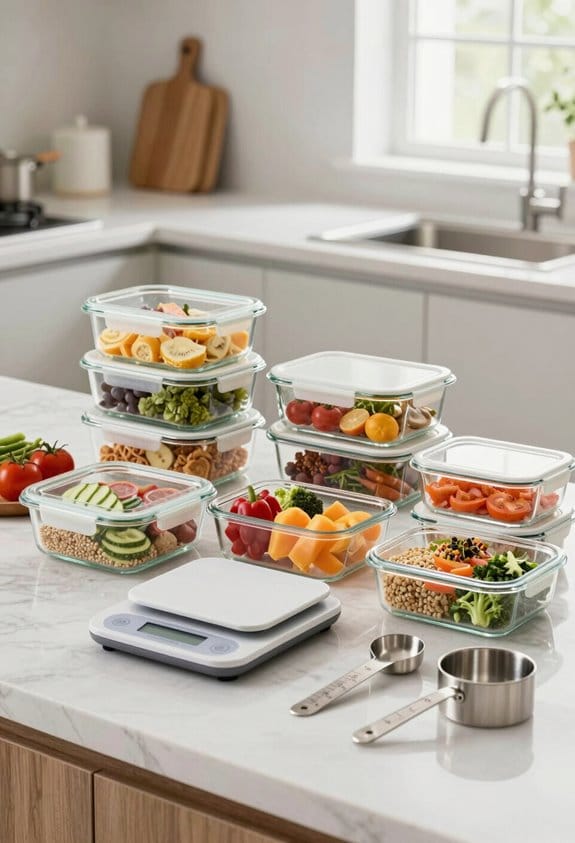
Here’s the trick: store your leftovers in clear containers and label them with dates. This way, you can easily see what you have and when it was made—no more forgetfulness leading to wasted meals!
Also, don’t hesitate to plan a “Leftovers Night” each week. It’s a fun way to mix things up and ensure that nothing goes to waste. And if you have extra portions, freeze them. It’s a lifesaver for those busy days when you don’t feel like cooking.
So, why does this matter? Every little bit of wasted food adds up, not just in your wallet but also in terms of the environment.
With these tips, you can tackle meal prep without adding stress. It’s about creating meals you enjoy while being kind to your budget and the planet. What’s your go-to strategy for minimizing food waste?
Key Takeaways
- Plan meals around fresh produce and existing pantry items to minimize shopping and reduce waste.
- Use smaller containers for meal storage and focus on single-serving portions to avoid leftovers.
- Implement “Leftovers Night” regularly to creatively repurpose uneaten meals and ingredients.
- Freeze extra portions or perishable items promptly to extend their shelf life and maintain quality.
- Practice mindful eating and utilize smaller plates to maintain satisfying portion sizes without excess waste.
Why Meal Prep Is Crucial for Single Cooking
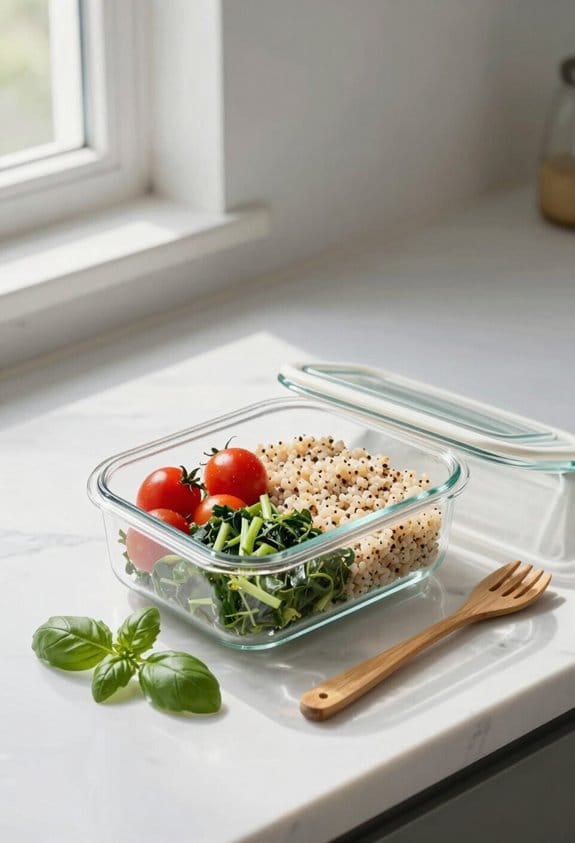
When you’re cooking for one, it can feel overwhelming trying to figure out what to make. Ever find yourself staring at your fridge, wondering what to whip up with those random ingredients? Meal prepping can really help with that. It allows you to easily manage portion sizes, so you’re not stuck eating the same thing for days on end. Plus, it’s a great way to use up those perishable items before they go bad, which helps cut down on food waste.
Cooking in batches also means you can freeze meals for later. Just think about how much time that saves you during the week. You won’t have to worry about uneaten leftovers going to waste or scrambling to throw something together at the last minute. The best part is, once you start meal prepping, you might notice your grocery bills drop too. You’ll get into the habit of avoiding overbuying and learn exactly what you need for the week ahead.
Now, let’s break this down a little. Here are some ways meal prepping can improve your cooking experience:
- It helps control portion sizes, so you’re eating just the right amount.
- You can plan meals around what’s already in your fridge, minimizing waste.
- By cooking in larger batches, you can save time and effort throughout the week.
So, why does this matter? Well, studies suggest that if you’re strategic about your grocery shopping, you could save as much as $56 each week. That’s some serious cash that you could spend on something more fun! Honestly, it makes a big difference when you’re not dealing with impulse buys and the stress of figuring out what’s for dinner at the last minute. Using tools like 3-cup rice cookers can further simplify meal prep by providing perfectly portioned servings without unnecessary waste.
Effective Meal Planning Techniques
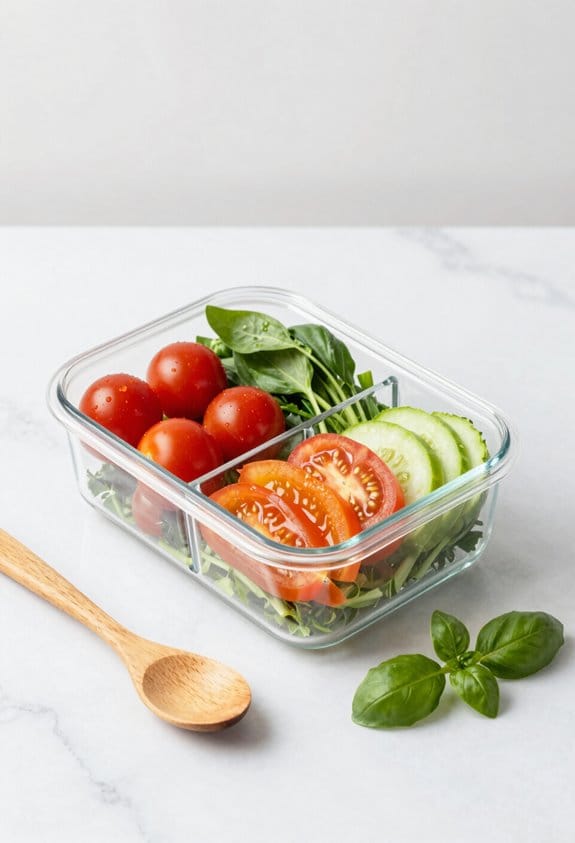
Getting started with meal planning can feel a bit overwhelming, right? You might wonder where to even begin. Let’s keep it simple and make it work for you! First off, jot down a list of meals that incorporate fresh produce. But hold on—don’t rush off to the store just yet! Take a look in your pantry first. You’ll be surprised by how much food is just sitting there waiting to be used. Plus, this little step helps cut down on food waste.
One of my favorite tricks is to make one night a week “Leftovers Night.” It’s a chill way to finish up those bits of food from earlier meals without any waste. Honestly, isn’t it nice to enjoy a hassle-free dinner after a busy day? Also, try this: set up a FIFO (First In, First Out) system. Put the older items at the front of your fridge or pantry, so they get used first. No more finding a sad, forgotten vegetable hiding in the back!
Keeping an ongoing inventory of your meals can really save you time and money. You’ll start to see what dishes you love and avoid buying the same thing twice. It makes meal planning smoother, trust me. After trying these techniques, you might find that meal planning can actually be enjoyable, not just another task on your list. Using tools like a vacuum sealer can further help maintain the freshness of your food and reduce waste.
Smart Shopping Tips to Cut Food Waste
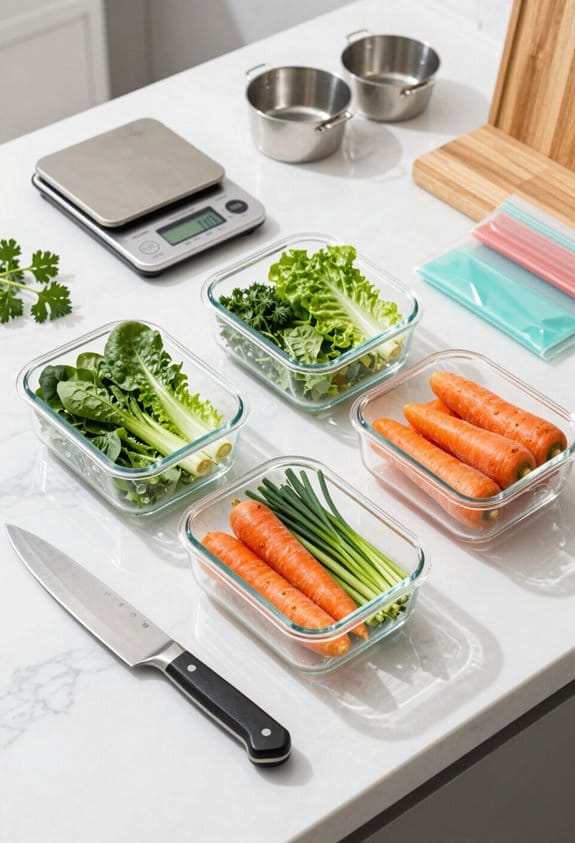
Do you ever wonder how much food you end up tossing out after a grocery run? It’s frustrating, isn’t it? Shopping smart is not just about grabbing what you need; it’s also a way to stick it to food waste.
Start by making a shopping list based on a rough meal plan. It helps keep you focused and cuts down on those impulse buys that can lead to waste. Before you head out, take a moment to check your pantry and fridge. This simple step can prevent you from picking up duplicates, saving both money and food.
When you’re picking out fresh fruit, go for sturdy options like apples and carrots. They tend to last longer in your kitchen. Also, consider buying smaller quantities. This matches your actual eating habits and helps keep perishable items from going bad before you can use them.
There’s a handy trick I like: the FIFO method. It means “first in, first out.” Make sure to use older items first in your food storage. This can help you enjoy everything you buy instead of watching it spoil silently in the back of the fridge.
Using airtight food storage containers can further extend the freshness of your ingredients by preventing exposure to moisture and air.
Following these smart shopping tips really can make a big difference in reducing food waste. So, what will you try on your next grocery run?
Transforming Leftovers Into New Meals
Are you tired of staring at those leftovers in your fridge and wondering what to do with them? Transforming leftovers into new meals can actually be a fun experience, and it’s a great way to minimize food waste while flexing your creative muscles in the kitchen.
Think about it—leftover cooked veggies can easily find a new life in a hearty soup, a savory stew, or even a quick omelet. This not only boosts the flavor of your dish but also adds a bit of nutrition. If you’ve got leftover grains like rice or quinoa, they can serve as fantastic bases for stir-fries or fresh salads. Just toss in some fresh ingredients, and you’ve got a completely different meal on your hands!
What about those overripe fruits you keep meaning to eat? Rather than letting them go to waste, you can blend them into smoothies or bake them into delicious treats. Don’t underestimate the power of a “leftover night” in your meal planning. It makes you think outside the box and cuts down on wasted food, all while keeping things interesting.
Also, consider mixing any leftover proteins and veggies you have into wraps, pasta dishes, or casseroles. Frankly, it’s all about enjoying varied and satisfying meals while doing your part to reduce food waste. Using airtight containers to store your leftovers properly can keep them fresh longer and help you plan your meals better.
Best Practices for Storing Leftovers
Have you ever opened your fridge a few days after a big meal and found a science experiment instead of leftovers? Yeah, we’ve all been there. To avoid that fate, storing your leftovers the right way is key to keeping them safe and delicious.
First up, make sure to pop those leftovers in the fridge within two hours of cooking. It’s a simple step that helps reduce bacterial growth and keeps your food safe. You’ll also want to use clear containers for storage, and don’t forget to label them! Write down the date on each one so you can keep tabs on how fresh they are.
Here’s a great trick: try using the FIFO method—first in, first out. This means putting your older leftovers at the front of the fridge so you eat them before anything new. And if you know you won’t dig into those leftovers in just a few days, don’t hesitate to freeze them. Freezing is a lifesaver when it comes to reducing waste.
When it’s time to reheat, pay attention to the magic number: 165°F. That’s the internal temperature you want to hit to kill any lurking bacteria.
Using airtight and leak-proof containers can also help prolong the freshness and prevent spills while storing leftovers.
Keeping these simple practices in mind not only cuts down on waste but also ensures that every meal is tasty. So, what’s your go-to leftover meal?
Decoding Expiration Dates on Food
Have you ever looked at a food label and thought, “What do these dates even mean?” Expiration dates can be super confusing! The “sell by” date is really just for the stores to know when to pull items off the shelf. It doesn’t actually tell us when the food is no longer safe to eat.
Now, the “best by” or “use by” dates? Those are more about quality than safety. They suggest when food tastes its best, but the truth is, many foods are still safe to eat beyond those dates. For example, canned goods and properly stored eggs can last well past their labeled dates if you keep them in good conditions. So, why does this matter? Because knowing this can help you save money and reduce food waste.
Try this: next time you’re about to toss something, look for signs of spoilage. Does it smell weird, or is there mold? If not, it’s likely still good. Honestly, many people don’t realize they’re throwing away perfectly fine food just because they’re following those dates too strictly.
One easy way to extend the freshness and safety of stored foods is by using airtight food storage containers, which create an effective barrier against air and moisture.
Cooking Techniques That Reduce Waste
Are you tired of tossing out food that’s gone bad? When we cook with intention, it’s a simple way to cut down on waste. One approach is to whip up smaller, single-serving portions. This can really help you use just what you need and cut back on leftovers.
Here’s the trick: when you roast or stir-fry a variety of veggies, you can transform them into different meals throughout the week. It keeps things interesting and ensures you’re not stuck eating the same thing every day. Don’t overlook whole veggies, like stems and leaves—they pack a punch of flavor and nutrition that’s often forgotten.
Batch cooking is another smart option. By preparing meals in advance and freezing them, you can stay ahead of perishable items before they spoil. Plus, experimenting with recipes that share similar ingredients can guarantee nothing goes to waste. For instance, using up that leftover broccoli in a stir-fry one night and then in a soup the next can make a big difference.
Honestly, it’s all about being creative in the kitchen. So, why does this matter? Keeping food waste down not only saves money but also helps the environment. Next time you cook, think about how you can use everything to its fullest potential. What’s your go-to method for minimizing waste in your kitchen? Using the right kitchen tools, like ergonomic knives, can also make food preparation more efficient and enjoyable.
Embracing Freezing and Preservation Methods
Have you ever found yourself staring at the fridge, wondering how to make the most of your groceries? Freezing food isn’t just a way to save leftovers; it’s also a smart strategy to cut down on your grocery bills. By freezing fresh produce, you can keep it around longer and save those nutrients, too! Think about it—when you freeze berries, vegetables, and herbs, you can enjoy their freshness well past your shopping trip.
Here’s the trick: to freeze properly, use airtight bags or containers and slap a date label on there. This way, you can dodge that pesky freezer burn. It’s super easy to grab and use, and you won’t be wasting any food!
Now, if you’ve got an overload of tomatoes or cucumbers that’ll go bad before you can eat them, consider canning or pickling. These methods turn your extra produce into tasty sauces or crunchy pickles that can last up to a year if stored right. So, why does this matter? It helps keep your kitchen stocked with goodness, even when it’s off-season or you didn’t get to the market this week.
Reducing food waste is crucial, and freezing overripe fruits and veggies is one simple way to help. Plus, you can craft your meals in larger batches without worrying about leftovers going uneaten. Try adapting recipes for single servings; it’s a perfect way to enjoy your meals later without any guilt.
To sum it all up, embracing freezing and preservation methods can really make a difference in how you manage food at home. Using vacuum sealer bags ensures airtight storage that extends food freshness and prevents spoilage. So, why not give it a shot? What’s the next batch of groceries you’ll be freezing?
Mindful Eating and Portion Size Awareness
Ever stared at a plate so piled high with food that you wonder how you’re supposed to eat it all? We’ve all been there—cooking with the best intentions only to end up tossing leftovers. Portion sizes can really get away from us, leading to unfortunate waste. So what can you do to keep meals enjoyable while being mindful about how much you serve?
Here’s a trick: try using smaller plates. It sounds simple, but it can make a real difference. When you serve food on a smaller plate, your brain can trick you into thinking you’re getting more. Plus, if you tune in to your hunger signals, you can serve yourself more appropriate amounts and save food from ending up in the trash.
Meal planning is worth a shot too. Set aside a “Leftovers Night” each week where you can finish up anything that’s hanging around in your fridge. It’s a great way to minimize waste while still enjoying a delicious meal. And who doesn’t love a low-key dinner where you don’t have to cook?
Don’t forget that sharing meals with friends can be both enjoyable and practical. Not only does it reduce the amount of cooking you have to do, but it turns mindful eating into a fun social experience. So, why does this matter? Eating together can help strengthen bonds while also consciously managing portion sizes.
Truth is, adopting these strategies can lead to less waste without sacrificing the joy of eating. Keeping your meals mindful and your portions reasonable is a win-win. Using reusable meal prep containers can also help by allowing you to store just the right portions and preserve freshness. What’s one small change you can try this week to make your meals more mindful and waste-free?
Community Resources for Food Waste Reduction
Have you ever looked in your fridge and felt overwhelmed by all the food you didn’t get a chance to use? It’s a common problem, but there are ways our community can band together to tackle food waste.
Participating in local food-sharing initiatives can really make a difference. You can swap surplus items with your neighbors, which not only helps cut down on waste but also builds a sense of community. Think about it: you’re sharing what you don’t need and getting something new in return. Plus, when we donate to food banks, we’re not just tackling waste, we’re helping those in need at the same time.
Many cities have composting programs that can stretch our food scraps into something useful. Instead of tossing them in the trash, why not turn them into nutrient-rich soil for gardens or plants? It’s a simple way to contribute to the environment.
I’d also recommend checking out educational workshops offered by local nonprofits. These sessions can teach you valuable skills like meal planning and food preservation techniques. Honestly, they can open your eyes to so many sustainable ways to enjoy food.
Another helpful trick? Track your food waste using apps your city might provide. These tools can help you make smarter choices about what to buy and keep in your home.
Using digital instant read thermometers can help you cook meals more precisely, reducing the likelihood of overcooking or wasting food.
Frequently Asked Questions
What Is One Thing You Can Do to Prevent Food Waste?
Like a well-tended garden, we can prevent food waste by practicing mindful shopping, meal planning, and portion control. Let’s embrace freezer storage, create leftover recipes, and use expiry labels for better produce preservation.
What Can I Do to Avoid Food Waste?
To avoid food waste, we can focus on meal planning, practice portion control, explore leftover recipes, guarantee proper storage, utilize creative freezing methods, stick to shopping lists, and embrace composting tips for scraps we can’t use.
How to Cook for One Without Wasting Food?
They say “waste not, want not.” We can cook for one without wasting food by meal planning, practicing portion control, freezing ingredients, creatively using leftovers, scaling recipes, and smart shopping for single servings.
What Are 20 Ways to Reduce Food Waste?
We can reduce food waste by meal planning, practicing portion control, using proper ingredient storage, creating creative leftovers, exploring composting options, focusing on food preservation, and making freezer meals to enjoy later. Let’s get started!