As an Amazon Associate, we earn from qualifying purchases. Some links on this site are affiliate links at no extra cost to you. Our recommendations are based on thorough research and editorial judgment.

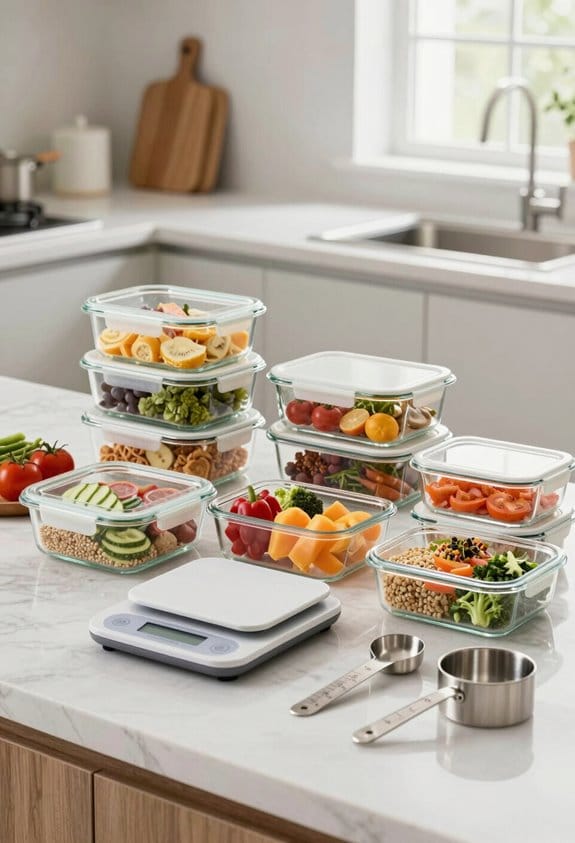
The Sunday Ritual: How to Plan a 2-Hour Meal Prep Session

Have you ever felt completely overwhelmed by trying to get healthy meals on the table during a busy week? Meal prepping can be such a lifesaver, and it doesn’t have to take all day. Let’s talk about how you can plan a solid two-hour meal prep session that’ll make your weekdays so much easier.
You may be interested

First off, let’s set the mood for your cooking session. A cozy atmosphere can really elevate your experience. Dim the lights, put on your favorite playlist, and just enjoy the process. This is time for you!
Now, think about what you want to accomplish with your meal prep. Pick a few easy recipes to focus on, because trying to do too much can lead to stress instead of helping. Once you’ve got your meals in mind, make a grocery list to keep things organized.
Try to group items by category like produce, proteins, and grains—this will save you time at the store.
When you’re ready to cook, start with the grains; they typically take the longest. While they’re bubbling away, chop up some veggies to roast or prep. Keep in mind that storing your meals properly makes a big difference too. Use airtight containers to keep everything fresh for the week.
So, why does this matter? Because a little planning goes a long way. You’ll skip the last-minute scramble and can enjoy nicely balanced dishes every night. Plus, the best part is that you’ll have more time for the things you love, instead of sweating over dinner.
In summary, if you take some time to prepare, you’ll create meals that make your week so much simpler. What recipes are you excited to try out for your meal prep?
Key Takeaways
- Create a detailed meal plan before Sunday to streamline your prep and cooking sessions.
- Gather all necessary ingredients and tools to keep your workspace organized and efficient.
- Preheat the oven and start cooking whole grains while prepping vegetables to maximize time.
- Use labeled containers to store prepped ingredients for easy access throughout the week.
- Integrate a timer to keep track of tasks and maintain focus during your 2-hour prep.
Creating the Perfect Atmosphere for Efficient Meal Prep
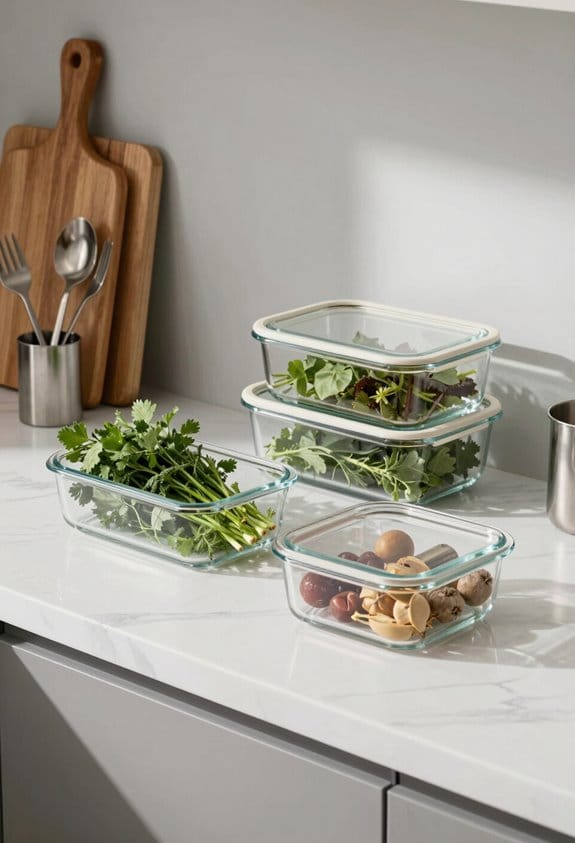
Creating the perfect atmosphere for efficient meal prep can really transform your Sunday cooking routines. Have you ever felt overwhelmed by the clutter and chaos of kitchen tasks? Setting a calm and cozy mood can change everything.
Start with soft lighting and some pleasant scents. Think essential oils or burning candles. These little touches not only make the space inviting but also help you concentrate better. Next, take a few minutes to clear off those counters. Trust me, having all your tools and ingredients prepped and within reach makes a world of difference.
Now, what’s cooking without some soundtrack, right? Play some upbeat music or tune into an inspiring podcast while you chop away. It keeps the energy lively and your spirits high. Here’s a tip: keep a timer handy. For your two-hour meal prep, timing can keep you focused and on track.
One more thing—don’t forget to take a moment to pause and breathe deeply between tasks. Seriously, just a few deep breaths can help recharge you. It turns meal prep into a satisfying and enjoyable process rather than a chore. Additionally, using meal prep containers with multiple compartments can help organize your meals efficiently and keep your prep area tidy.
Identifying Your Weekly Meal Prep Goals and Priorities

Ever had those weeks where dinner time feels like a scramble? You’re not alone. Meal prep can really save the day if you set some clear goals for yourself. So let’s dive into how to make your meal prep work for you.
Start by creating a meal plan that fits your life. Think about what meals actually work for your busy schedule. Cooking 3-4 times a week can be just the ticket to making big batch meals, which means you’ll have some tasty leftovers for easy lunches and dinners.
Next up, gather those ingredients. Before you hit the grocery store, check out your favorite recipes. Make a list of what you need, organizing it by category. This little step keeps shopping efficient and helps reduce waste.
And remember, it’s okay to reassess your goals. Reflecting on what you liked or didn’t like can guide your plans for next week. So, what meals are you excited to try? That’s the key to sticking with your meal prep journey.
Also, choosing meal prep containers with microwave and freezer safety ensures your meals stay fresh and are easy to reheat throughout the week.
Crafting a Streamlined Ingredient List for Quick Meal Prep Shopping

When it’s time to prep meals, having an organized ingredient list really cuts down on shopping stress. Start by gathering all the ingredients listed in your meal plan. Take a quick look in your pantry and fridge to see what you already have on hand. This little step can save you from buying duplicates and reduces waste.
Next, think about categorizing your grocery list. Group items by type—like produce, grains, and proteins. This simple trick can save you so much time at the store and keeps your focus sharp. And if you can’t find a specific ingredient, swap it for something similar that works with your meal.
When it comes to naming your list, I recommend going with “Groceries + date,” then keep it updated throughout the week. This way, you’ll never forget what you need. If you plan to shop right after wrapping up your meal plan, you can be sure you’ve got everything for a smooth meal prep session. Also, consider using airtight food storage containers to keep your prepped ingredients fresh longer and organized after shopping.
Your Easy 2-Hour Meal Prep Guide
Feeling overwhelmed at the thought of meal prepping? You’re not alone! But let’s break it down together, so it doesn’t feel like a big deal. Start by preheating your oven and cooking those whole grains first. They take the longest, making it a smart first step. While they’re cooking, you can chop and season your vegetables for roasting. They’ll need about 30-35 minutes in the oven, so this timing works out perfectly.
Once the veggies are roasting away, it’s time to tackle the proteins. Organizing it this way not only helps with cleaning up but also keeps everything safe from cross-contamination. Don’t forget to lay out your storage containers ahead of time. This small step can save you lots of hassle later on.
Once everything’s cooked up, let your food cool for no more than two hours before packing it away. If you get creative with your meal components—like mixing roasted veggies with grains—you’ll have plenty of healthy snacks or quick lunches for the week ahead. Using a manual food chopper can speed up vegetable prep and help keep your workflow efficient.
Key Cooking Techniques to Enhance Meal Prep Efficiency
Are you tired of spending too much time in the kitchen each week? Meal prep can feel overwhelming, but a little organization goes a long way in making the process smoother.
Try this: while you’re chopping veggies or prepping proteins, get that oven preheating right off the bat. The heat will be ready when you are, and you can take advantage of every minute. If you own a rice cooker, put it to work for cooking grains – those can take a while, which is perfect for multitasking. You can easily chop up your raw produce while the grains are cooking, keeping things tidy as you go.
Here’s the trick: roasting some veggies takes a bit longer, so do that while your grains are cooking. It all helps to keep the oven running efficiently and saves precious time. As you finish cooking and prepping your ingredients, store everything in labeled containers. This little step makes it super easy to find what you’re looking for throughout the week.
Honestly, these small changes can transform your meal prep experience. So, what are you waiting for? Give it a try and see how much easier your kitchen time can be! Using airtight snap-lock lids on your containers helps keep meals fresher longer and prevents leaks during storage.
Optimizing Food Storage for Freshness Throughout the Week
How often do you find yourself cooking a big batch of food, only for it to go bad before you get to eat it all? Keeping your meals fresh throughout the week is key to enjoying your hard work in the kitchen. To help with this, start by storing your cooked foods in airtight containers. This simple step can keep your meals safe for up to five days in the fridge. Don’t forget to label those containers with dates! It’ll make it so much easier to keep track of how long your meals have been hanging out in there, which not only saves your food but also helps reduce waste.
You might also want to consider freezing portions for later. Try using freezer bags and remember to squeeze out as much air as you can—this can help prevent that annoying freezer burn. One quick tip: allow your food to cool down to room temperature within two hours before tossing it in the fridge or freezer. And let’s be honest, nobody likes soggy salads. Keeping dressings in separate small containers can save your greens until you’re ready to dig in. For the best preservation, choose containers with silicone gaskets, which create airtight seals to keep food fresh longer.
Building Flexible Meal Components for Easy Weeknight Dinners
After spending time thinking about how to keep meals fresh, let’s dive into creating flexible meal components that can really simplify weeknight dinners. Start by roasting mixed veggies at 375° for about 30-35 minutes while you cook some grains, like quinoa or brown rice. This mix provides versatile options to throw together meals whenever you’re in a pinch.
Have you ever opened up the fridge and found fresh veggies that just went bad? To avoid that, chop and store your fresh veggies in mason jars right after grocery shopping. This way, they’re easy to grab whenever you need them. Think about whipping up a couple of dressings too; a simple vinaigrette can really brighten up your meals. With proteins, grains, and veggies prepped in advance, you can assemble quick, healthy dinners with hardly any fuss.
So why does this matter? It cuts down on cooking stress during those busy weeknights. You’ll find that mealtime becomes a breeze when you’ve got everything on hand and ready to go. Using airtight food storage containers can help maintain freshness and prevent spoilage.
In short, a little prep goes a long way. What meals will you whip up this week?
Frequently Asked Questions
What Is the 2 2 2 Rule for Food?
The 2-2-2 Rule for food means we should enjoy leftovers within two days, store them for two weeks, or freeze them for two months. This helps us maintain nutrient balance, portion control, and meal variety.
What Is the 2 2 2 Meal Prep Method?
We’re simplifying our cooking with the 2 2 2 meal prep method! Using simple ingredients like two proteins, two grains, and two veggies, we enhance meal variety while maximizing our prep efficiency for the week ahead.
What Is the 3 3 2 Meal Prep Method?
The 3 3 2 meal prep method involves cooking three proteins, three grains, and two vegetable dishes, making grocery shopping easier and promoting efficient cooking. This approach maximizes meal variety while offering significant meal prep benefits throughout the week.
What Is the 80 20 Rule for Meals?
The 80/20 rule for meals helps us achieve nutrition balance by focusing on whole, nutritious foods 80% of the time, while allowing for food variety and indulgence in the remaining 20%. It’s a flexible approach!


