As an Amazon Associate, we earn from qualifying purchases. Some links on this site are affiliate links at no extra cost to you. Our recommendations are based on thorough research and editorial judgment.

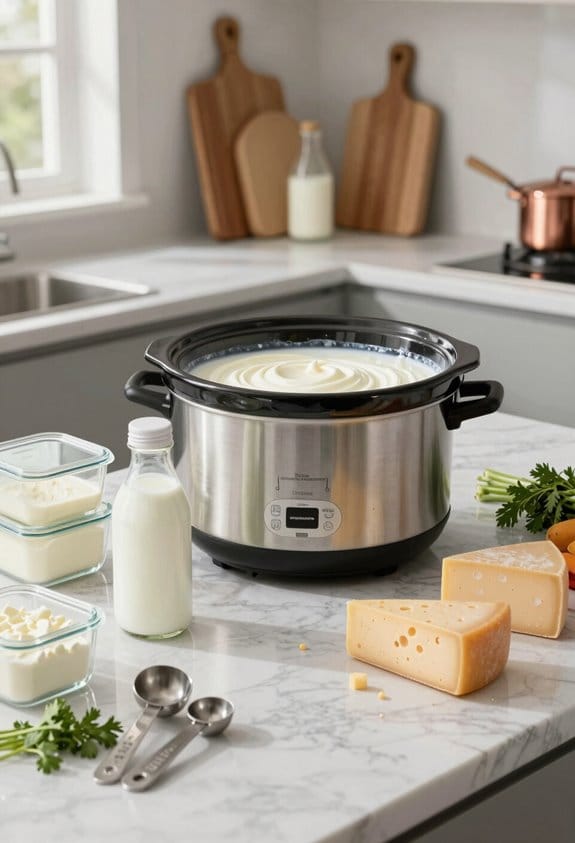
How to Prevent Dairy From Curdling in Your Slow Cooker Stews

Have you ever dealt with curdled dairy in your slow cooker stew? It’s a frustrating situation that can ruin an otherwise great meal. To keep that from happening, it’s best to add your dairy during the last 15 minutes of cooking. This timing helps it blend nicely without going all lumpy.
You may be interested



Choosing full-fat dairy, like heavy cream, is key. The higher fat content helps to stabilize it better than low-fat options. Before you add it in, consider warming it up slightly or mixing it with a bit of the hot stew liquid. This little trick can go a long way in keeping your stew smooth and creamy.
Don’t forget to pay attention to acidity in your ingredients, too. High acidity can lead to curdling, which is something you definitely want to avoid.
So, why does this matter? Keeping an eye on these details can make the difference between a comforting, creamy stew and a dish you’d rather not serve.
Honestly, with a few simple adjustments, you can enjoy delicious, dairy-enhanced stews without worry. Remember to add your dairy late, opt for full-fat, and watch that acidity.
What’s your go-to tip for keeping meals creamy?
Key Takeaways
- Add dairy during the last 15 minutes of cooking to minimize curdling risks.
- Use higher-fat dairy products, like heavy cream, for better stability.
- Preheat milk to 90 degrees Celsius before integrating it into the stew.
- Temper dairy by mixing it with hot liquid from the stew before adding.
- Monitor acidity levels and avoid adding high-acid ingredients to prevent curdling.
Understanding Why Dairy Curdles in Slow Cookers
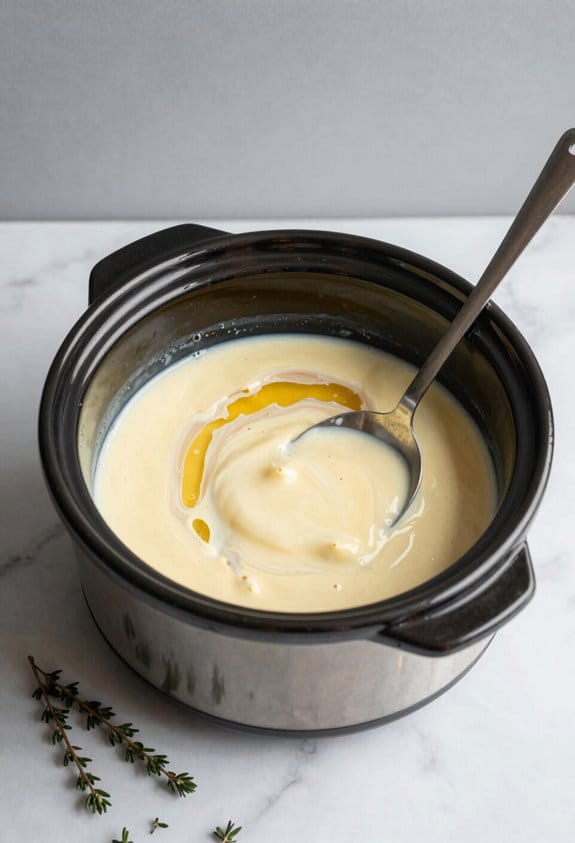
Have you ever thrown together your favorite slow cooker recipe, only to find the dairy curdling and ruining your meal? It’s frustrating, right? Understanding why this happens can make all the difference for your slow-cooked dishes.
Dairy tends to curdle mainly because of high cooking temperatures that can make milk proteins clump together. This issue gets worse if you’re using products with lower fat content. For better results, it’s often best to stick with full-fat options like heavy cream.
Adding dairy right at the beginning? That can be risky. It ups the chance of curdling. Instead, try adding your dairy about 15 minutes before your cooking time is up. Here’s the trick: you can even preheat the milk to around 90 degrees Celsius and temper it before adding it to your dish. This simple step can greatly reduce the risk of curdling.
Also, don’t forget to stir it regularly. This helps distribute the heat evenly so you’re less likely to end up with those annoying little curds.
Using vacuum sealing technology to preserve dairy ingredients before cooking can help maintain their freshness and quality, reducing spoilage and improving dish texture.
In the end, following these straightforward steps can lead to creamier, smoother dishes that you and your family will enjoy. So, what’s your favorite slow cooker meal that you can’t wait to try this with?
Preventing Curdling by Adding Dairy at the Right Time
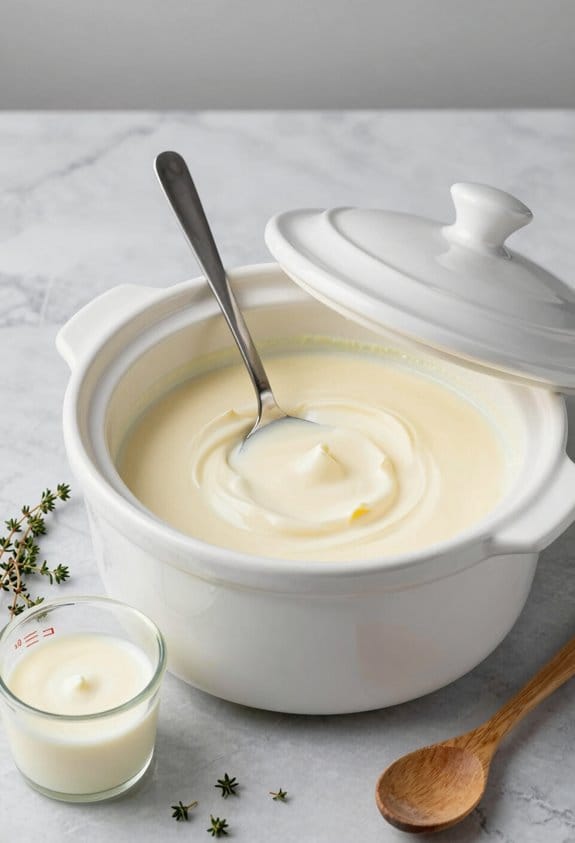
Have you ever made a delicious stew only to watch it turn into a curdled mess when you add dairy? It’s frustrating, right? To keep your dish creamy and smooth, timing is everything when it comes to adding milk or cream.
Try this: add your dairy during the last 15 minutes of cooking. This way, it warms up without curdling. If you can, let the stew cool down a bit first, then add in the dairy. Another trick is to temper the dairy by mixing it with a little hot liquid from the stew before pouring it all in. It’s a simple step that can make a big difference.
So, why does this matter? The type of dairy you use plays a role too. Higher-fat options, like heavy cream, are more stable, which means they’re less likely to separate. Also, be cautious with salt and acidic ingredients at the beginning. These can lead to curdling, ruining that smooth texture you’re after.
If you want an extra smooth stew, consider making a cornflour slurry with cold dairy before adding it in. This brings in some thickness that keeps everything nice and creamy.
Using a slow cooker with fuzzy logic can help maintain consistent temperatures to reduce the risk of curdling during longer cooking times.
Choosing Dairy Products to Prevent Curdling
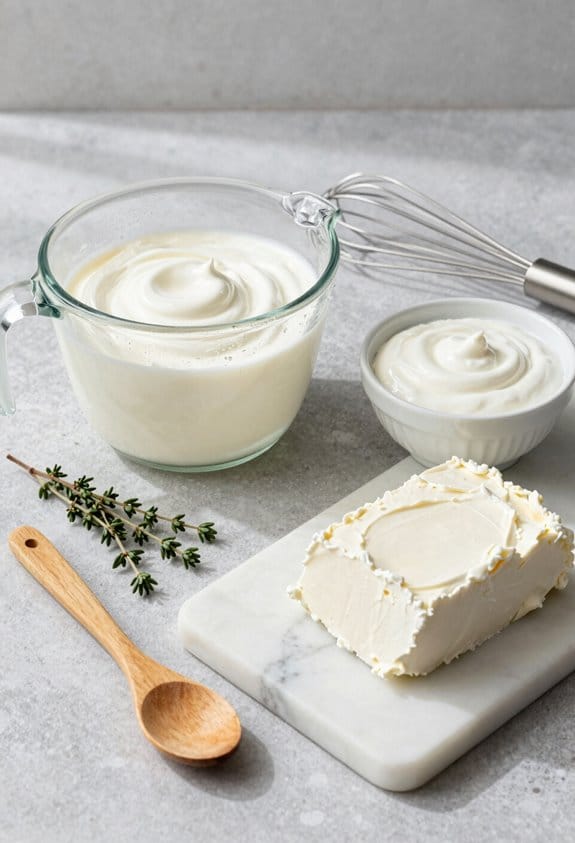
Are you tired of your slow cooker stews curdling when you add dairy? You’re not alone! It can be a real hassle when you’re expecting a creamy finish, only to find your dish has a lumpy texture instead. But don’t worry, with a few simple tweaks, you can prevent that from happening.
First off, when it comes to dairy products, higher fat content is your friend. Think heavy cream or crème fraîche. They hold up much better when heated for a while compared to low-fat options. If you’re tempted to use skim milk, it’s wise to pause. That lower fat means it’s more likely to curdle in the pot.
What about dairy alternatives? You might want to give coconut cream a shot. Its rich texture really helps keep things smooth in your stews. Here’s the trick: if you’re adding dairy, consider mixing in a bit of starch, like corn starch, with the cream beforehand. This extra step can really stabilize the mixture.
And honestly, don’t overlook the importance of pasteurized dairy. Choosing pasteurized options can lower the chances of curdling, which means you can enjoy your meal without the worry of weird textures ruining it.
Also, controlling cooking temperature and timing, similar to how automatic keep warm features maintain optimal heat in rice cookers, can help prevent dairy from curdling in slow cooker stews.
The Importance of Full-Fat Dairy in Slow Cooking
Have you ever wondered why your slow cooker stews sometimes lack that creamy richness? It all boils down to the type of dairy you’re using. When you throw in low-fat options, they can curdle under the heat. That’s why reaching for full-fat dairy—like whole milk or heavy cream—makes a world of difference.
Full-fat dairy does more than just enhance flavor; it adds a luxurious texture that you can really notice in your dishes. The higher fat content helps stabilize the dairy during those long cooking hours, which means it’s less likely to separate or turn grainy. So, if you want to enjoy a nice, smooth stew, go for the whole milk or even heavy cream.
Here’s the trick: while it might be tempting to toss in that dairy at the start, traditional cooking wisdom suggests waiting until near the end. This way, you keep that rich mouthfeel intact. And let’s face it, who doesn’t love a velvety stew that sticks to your bones?
Truth is, using full-fat dairy is a simple way to elevate your cooking. By sticking to these classic techniques, you can make your meals feel special without too much extra effort. So next time you’re planning a slow-cooked stew, consider switching to full-fat options. It might just be the secret ingredient you didn’t know you needed. What’s your favorite full-fat dairy to add to your cooking? Instant Pot slow cookers also offer various customizable presets to perfectly time when to add dairy and other ingredients for the best results.
Techniques to Stabilize Dairy Before Adding
Want to add dairy to your slow cooker stew without worrying about it curdling? It can definitely be a challenge, but I’ve got some tips that will make it easier to whip up that creamy texture you’re aiming for.
First off, mixing a tablespoon of cornstarch with cold milk to create a slurry is a smart move. This little trick can really help prevent lumps when you pour in the dairy. If you prefer using heavy cream, you’re on the right track—it’s less likely to curdle compared to low-fat options. Another option is to add a teaspoon of flour into your milk for even more stabilization.
Now, here’s the important bit: steer clear of highly acidic ingredients like tomatoes when you’re adding the dairy. So, wait to throw those in until later in the cooking process. This will really help maintain that smooth consistency you want.
Using BPA-free containers to store leftover stew with dairy ensures safety and helps maintain the creamy texture when freezing and reheating.
How to Temper Dairy for Slow Cooking Success
Have you ever tried adding dairy to a hot stew only to have it curdle? It’s frustrating, right? If you want to keep your meals creamy and smooth, tempering your dairy is the way to go. Thankfully, it’s not as complicated as it sounds.
Here’s the trick: start by slowly mixing some hot liquid from your stew into cold milk. This gentle warming helps prevent those pesky curds from forming. Aim for the milk to reach about 90 degrees Celsius (194 degrees Fahrenheit) so that its proteins shift and become more stable. A good mix to follow is one part hot liquid to two parts cold milk. This simple ratio allows for an easier integration of the two ingredients.
When should you add the tempered dairy? It’s best to do this towards the end of your cooking process to preserve that creamy texture. And don’t forget – if you’re using dairy alternatives, they can also benefit from this tempering technique, especially those with lower fat content. So, why does this matter? Well, a little preparation goes a long way in ensuring your dish comes out just right.
In short, taking the time to temper your dairy can make a noticeable difference in your cooking. Using kitchen tools like a rotating utensil holder can help keep your cooking space organized and make the process smoother. Next time you’re whipping up a creamy stew, remember these tips to avoid curdling. Happy cooking! What’s your go-to method for keeping your stews smooth?
Managing Acidity Levels in Recipes
Have you ever made a delicious creamy stew, only to have it turn into a lumpy mess? It’s frustrating when high-acidity ingredients like tomatoes or citrus juices cause dairy to curdle. So how do you keep that smooth and velvety texture?
Here’s the trick: adding a pinch of baking soda can really help neutralize that acidity. It’s a simple step that can make a big difference in your stew’s consistency. If you can, try using lower-acid ingredients. They create a more forgiving environment for your dairy.
Timing is also super important. If you wait until the end to add your dairy, after you’ve addressed the acidity, you’ll find you have much better results. Monitor those acidity levels carefully—too much can lead to unwanted curdling.
Using tools made of high-quality stainless steel when cooking can also help maintain consistent heat and reduce the risk of curdling.
Using Dairy Alternatives in Slow Cooking
Are you hesitant to use dairy alternatives in your slow-cooked dishes because you’re worried about curdling? You’re not alone! It can be tricky to figure out what works best while keeping that creamy texture we all love.
When it comes to plant-based milks like almond or soy, they can sometimes separate during cooking. So, here’s the trick: stir them in later in the cooking process to help maintain that smooth consistency. Coconut milk is another great option, thanks to its higher fat content which means it holds up better under heat. If you want an even creamier finish, consider adding milk substitutes, such as cashew or oat milk, towards the end of your cook time.
You might also find it useful to mix a little cornstarch into the alternative milk before adding it. This can create a bit of stability and help prevent any unwanted separation. Cooking creams or crème fraîche alternatives made from coconut are solid choices too; they can handle the heat without any fuss. For best results, be sure to add dairy alternatives during the later stages of slow cooking to maintain their texture and flavor.
Common Mistakes to Avoid When Cooking With Dairy
When whipping up dishes with dairy, it’s surprisingly easy to end up with a grainy mess if you’re not careful. So, have you ever found your sauce curdling just when you thought you had it mastered? Here’s a good tip: rather than throwing in milk or cream at the beginning, hold off until about 15 minutes before you’re ready to serve. This simple step can really reduce the chances of it splitting from the heat.
Choosing full-fat dairy, like heavy cream, is another smart move. It’s way more stable and can handle the heat much better. And don’t forget about seasoning! Be cautious with salt and acidic ingredients—try adding them later in the cooking process. They can really mess with the dairy’s ability to stay smooth.
Now, if you’re adding cold dairy to your hot dish, be sure to temper it first. Just scoop a little of the hot liquid into your cold dairy, mix, and then slowly stir that back into the pot. This helps prevent curdling by easing the cold dairy into the heat.
Finally, while it’s a good idea to stir often, ease up on the vigorous stirring once the dairy’s in there. Gentle is the way to go if you want to keep that silky texture.
Honestly, cooking with dairy can be a bit tricky, but by avoiding these pitfalls, you’ll be on your way to delicious, creamy dishes without the risk of curdling. Got any tips you swear by when it comes to working with dairy? Using vacuum-sealed bags to store dairy ingredients can also help maintain their freshness before cooking.
What to Do If Your Dairy Splits?
What to Do If Your Dairy Splits?
A split in your dairy can feel like a real disaster, right? But don’t toss your stew just yet! First off, give it a good stir. You’d be surprised how a solid mixing can sometimes bring those ingredients back together.
If that doesn’t do the trick, try this: make a quick slurry with one tablespoon of cornflour mixed with two tablespoons of water. Honestly, this little hack can help smooth out that weird texture you’ve got going on from the split dairy.
Also, storing leftovers in airtight containers can help maintain the quality of your stew and prevent further curdling after cooking.
Frequently Asked Questions
How to Stop Cream Curdling in a Slow Cooker?
To stop cream curdling in a slow cooker, we’ll use higher fat dairy substitutes, add cream near the end, and master our slow cooker tips for perfect cream consistency. It’s simpler than we think!
How to Keep Dairy From Separating in Soup?
To keep dairy from separating in soup, let’s use cream substitutes with higher fat content, practice temperature control by adding dairy late, and balance acids carefully to avoid curdling. We’ll enjoy rich, smooth soups together!
Can You Put Dairy in a Slow Cooker?
Yes, we can definitely put dairy in a slow cooker! Just remember to choose heavier dairy alternatives, monitor our slow cooker types, and incorporate stew ingredients carefully to avoid curdling as we cook.
How to Stop Dairy From Curdling?
To stop dairy from curdling, we should focus on using dairy alternatives when possible, managing cooking temperatures, and carefully combining ingredients. This approach helps maintain a smooth texture in our dishes every time we cook.


